

Looking for a new kitchen knife? This comprehensive guide will show you where to buy kitchen knives, exploring all the best options. We cover everything from online giants and local stores to specialist retailers and even second-hand markets. With this information, you’ll be equipped to make an informed decision and find the perfect knife for your culinary adventures.
So, you’ve decided it’s time to upgrade your kitchen knife game. Maybe your current chef’s knife is dull and unreliable, or perhaps you’re embarking on a new culinary journey and need the right tools. The question then becomes: where to buy kitchen knives? The options can seem overwhelming, but fear not! This guide is here to demystify the process. We’ll explore every avenue, from the vast digital shelves of online retailers to the tactile experience of specialty shops. By the end, you’ll know exactly where to find the perfect kitchen knife to suit your needs, budget, and preferences.
## Understanding Your Needs Before You Buy
Before you even start looking, take a moment to consider what you really need. Are you a casual home cook who uses a knife a few times a week? Or are you a passionate home chef who needs a robust collection?
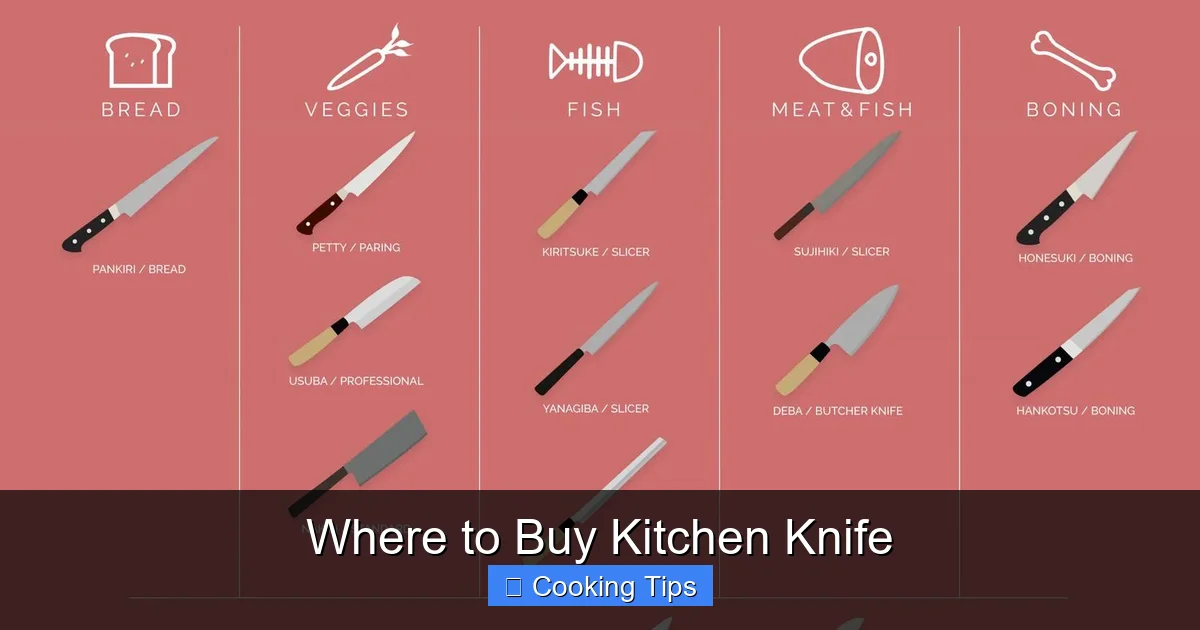
### What Kind of Knife Do You Need?
* Chef’s Knife: The workhorse of any kitchen. Essential for chopping, dicing, and slicing.
* Paring Knife: Small and agile, perfect for detailed tasks like peeling and trimming.
* Serrated Knife (Bread Knife): Designed to cut through crusty bread without crushing the soft interior.
* Utility Knife: A good in-between size, useful for smaller chopping jobs.
* Santoku Knife: A Japanese-style all-purpose knife, often with grantons (dimples) to prevent food from sticking.
### What’s Your Budget?
Kitchen knives range from under $20 to hundreds, even thousands, of dollars. Setting a budget will help narrow down your search significantly. Remember, a good knife is an investment, but you don’t always need the most expensive option to get quality.
### What Material and Style Do You Prefer?
* Blade Material: Stainless steel is common, durable, and rust-resistant. High-carbon stainless steel offers a good balance of sharpness and ease of maintenance. Carbon steel can be sharper but requires more care to prevent rust. Ceramic knives are extremely sharp and lightweight but brittle.
* Handle Material: Wood handles offer a classic look and good grip but can be less hygienic. Plastic or composite handles are durable and easy to clean. Metal handles can be stylish but sometimes slippery.
* Blade Style: German-style knives tend to be thicker and heavier. Japanese-style knives are often thinner, lighter, and have a sharper angle.
Once you have a clearer picture of your needs, it’s time to explore the best places to buy kitchen knives.
## Online Retailers: The Digital Supermarket of Knives
The internet has revolutionized shopping, and buying kitchen knives is no exception. Online retailers offer unparalleled convenience, selection, and often competitive pricing.
### Major E-commerce Platforms
* Amazon: The undisputed king of online retail. Amazon boasts an immense selection of kitchen knives from virtually every brand imaginable, at all price points. You can find everything from budget-friendly options to high-end professional knives. The sheer volume of customer reviews is invaluable for making informed decisions.
* Pros: Massive selection, competitive pricing, fast shipping (especially with Prime), extensive customer reviews.
* Cons: Can be overwhelming, harder to physically inspect the knife before purchase.
* Walmart/Target: These large retailers also have substantial online marketplaces that include a good range of kitchen knives, often focusing on more accessible brands and price points.
* Pros: Familiar brands, often good deals, potential for in-store pickup.
* Cons: Selection may be more limited compared to specialized online retailers.
### Dedicated Online Kitchenware Stores
These websites focus specifically on kitchen products and often have a more curated selection of high-quality kitchen knives.
* Williams Sonoma: A well-known retailer for high-end kitchenware. They offer a curated selection of premium knife brands, often with exclusive lines.
* Pros: High-quality brands, knowledgeable customer service, often good for gifts.
* Cons: Can be pricier, selection is more focused on premium items.
* Sur La Table: Similar to Williams Sonoma, Sur La Table offers a wide range of kitchen products, including a strong selection of chef-quality knives. They also provide educational resources and often have sales.
* Pros: Excellent selection of reputable brands, good educational content, frequent sales.
* Cons: Similar to Williams Sonoma, can be on the higher end of the price spectrum.
* Cutlery and More: This online store specializes in knives and cookware, offering a very deep selection of brands and types of knives.
* Pros: Extremely broad selection of cutlery, good filtering options.
* Cons: Can feel less curated than some other premium online stores.
* Knife Depot / Chef’s Knife: Many specialized online retailers focus solely on knives, offering expert advice and a comprehensive range of professional-grade options. These are excellent places to find niche brands or specific types of knives.
* Pros: Deep expertise in cutlery, wide variety of specialized knives, often good for research.
* *Cons: You might need to do more research on the brands they carry if you’re not familiar.*
## Brick-and-Mortar Stores: The Tactile Shopping Experience
While online shopping is convenient, there’s something to be said for being able to hold a knife in your hand, feel its weight, and test its balance. Brick-and-mortar stores offer this invaluable tactile experience.
### Department Stores
* Macy’s, Bloomingdale’s, Nordstrom: These upscale department stores often have dedicated kitchenware sections with a good selection of well-known knife brands like Wüsthof, Global, and Shun.
* Pros: You can see and feel the knives, knowledgeable sales associates (sometimes), good for comparing brands side-by-side.
* Cons: Prices might be higher than online, selection can be limited to more mainstream brands.
* JCPenney, Kohl’s: These mid-range department stores also carry kitchen knives, often focusing on more affordable but still reputable brands.
* Pros: Accessible price points, convenient locations.
* Cons: Limited selection of higher-end knives.
### Big-Box Retailers
* Target, Walmart: These stores are great for finding basic, functional kitchen knives for everyday use. They carry popular brands like KitchenAid, Farberware, and their own house brands.
* Pros: Very affordable, widely available, good for starter knives.
* Cons: Limited selection of premium or specialized knives, quality might be lower.
### Home Goods and Kitchenware Stores
* Bed Bath & Beyond (or similar retailers): These stores are specifically designed for home essentials and often have a decent selection of kitchen knives, from everyday use to more specialized options.
* Pros: Wide range of kitchen items in one place, good for comparing different knife sets.
* Cons: Expertise might vary among staff.
## Specialty Knife Shops: For the Discerning Cook
For those serious about their culinary tools, specialty knife shops are the gold standard. These are places where passion for cutlery shines through.
### Local Knife Shops
* Independent Cutlery Stores: These are your best bet for expert advice, a highly curated selection, and the opportunity to handle top-tier knives. The staff at these shops are often knife enthusiasts themselves and can guide you through the nuances of blade steel, handle ergonomics, and sharpening.
* Pros: Expert advice, high-quality and unique selections, personalized service, support local business.
* Cons: May be fewer options geographically, prices can be higher due to specialization.
* Some Butcher Shops or Culinary Stores: Occasionally, a high-end butcher shop or a store catering to professional chefs might carry a selection of professional-grade knives.
* Pros: Often carry very robust, professional-grade knives.
* Cons: Selection will likely be very limited and geared towards specific professional uses.
## Direct from Brands: The Manufacturer’s Own Store
Many reputable knife manufacturers have their own websites where you can buy directly. This can be a great way to access their full product line, learn about their heritage, and sometimes find exclusive deals.
* Wüsthof, Shun, Global, Zwilling J.A. Henckels: These major brands all have official websites.
* Pros: Full product catalog, direct warranty support, detailed product information, sometimes exclusive online offers.
* Cons: You can’t physically try the knife before buying.
## Second-Hand Markets: Treasure Hunting for Knives
For the budget-conscious or the antique enthusiast, second-hand markets can be a fantastic place to find high-quality knives at a fraction of their original cost.
### Online Auction Sites
* eBay: A vast marketplace for both new and used items. You can find anything from vintage chef knives to high-end brands at significant discounts. Be sure to check seller ratings and product descriptions carefully.
* Pros: Potential for incredible deals, rare finds, vast selection.
* Cons: Risk of purchasing a damaged or counterfeit item, requires careful inspection and seller vetting.
### Local Flea Markets and Antique Stores
* Flea Markets, Garage Sales, Antique Shops: You might stumble upon a hidden gem in these places. An old, well-made knife might just need a good sharpening to become a prized possession.
* Pros: Very low prices, the thrill of discovery.
* Cons: Hit-or-miss, requires significant inspection for wear and tear.
## What to Look For When Buying Any Kitchen Knife
Regardless of where you buy, keep these points in mind:
### Inspect the Blade
* Sharpness: Does it look and feel sharp? (Be careful!)
* Material: Is it stainless steel, high-carbon stainless steel, or ceramic?
* Construction: Is it a full tang (metal extends all the way through the handle) for better balance and durability? Forged knives are generally higher quality than stamped ones.
### Assess the Handle
* Comfort: Does it fit your hand well? Is it slippery or does it offer a good grip?
* Material: Does the material suit your preferences for hygiene and aesthetics?
* Ergonomics: Does it feel balanced in your hand?
### Check the Balance
A well-balanced knife should feel comfortable and controlled in your hand, with the weight distributed evenly between the blade and the handle.
### Consider the Warranty
A good warranty indicates the manufacturer’s confidence in their product’s durability.
## Conclusion: Finding Your Perfect Culinary Companion
Choosing where to buy your kitchen knife depends on your priorities. If you value selection and convenience, the vast online marketplace is your go-to. For those who appreciate expert advice and the chance to feel the weight and balance of a blade, specialty shops and brick-and-mortar retailers are ideal. And for the savvy shopper or collector, second-hand markets offer the thrill of finding a bargain.
Remember to consider your needs, budget, and preferred materials before you begin your search. Whether you’re a novice cook or a seasoned pro, investing in a quality kitchen knife is one of the best decisions you can make for your time in the kitchen. Happy hunting, and may your cuts be clean and effortless!
Key Takeaways
- Online Retailers: Huge selection and competitive pricing are major advantages of buying kitchen knives online from sites like Amazon, Williams Sonoma, and dedicated knife retailers.
- Brick-and-Mortar Stores: Department stores and big-box retailers offer the chance to physically handle knives, assess their weight, balance, and feel before purchasing.
- Specialty Knife Shops: These stores provide expert advice, curated selections, and often higher-quality or niche knives that you won’t find elsewhere.
- Direct from Brands: Purchasing directly from a knife manufacturer’s website can offer exclusive models, warranties, and a deeper understanding of their craftsmanship.
- Second-Hand Markets: Platforms like eBay or local flea markets can yield excellent deals on quality knives, though inspection is crucial.
- Home Goods and Kitchenware Stores: Stores focused on home goods often carry a range of popular kitchen knife brands, offering a balance between selection and accessibility.
- Culinary Schools and Professional Suppliers: For professional-grade or very specific tools, these sources can be invaluable, though often require proof of profession.
