
High heat, bad timing, and uneven pans cause food to overcook quickly.
I’ve spent years cooking for busy families and testing recipes, so I know why food overcooks easily and how to stop it. This article breaks down the real causes, the science, and simple fixes you can use tonight to keep food moist, flavorful, and perfectly cooked.
:max_bytes(150000):strip_icc()/sea-tier-3-detail-thermoworks-blue-dot-alarm-thermometer-bluetooth-wireless-technology-wdickey-0650-88b26286085e4e638245a8d467f583f8.jpeg)
Common reasons food overcooks easily
There are a few repeat offenders that answer why food overcooks easily. Here are the most common ones and why they matter.
- Using too high heat
Foods cook fast on high heat. The outside browns while the inside keeps cooking. That makes overcooking common. - Wrong pan or pot size
A small pan can crowd food. Crowding traps steam and forces longer cook times. A too-large pan spreads heat unevenly. - Inaccurate temperature control
Stove dials are vague. Oven temperatures can drift. Without a thermometer, you guess and often overcook. - Poor timing and distraction
Leaving a dish unattended or misreading a recipe can overcook food fast. Small timing errors add up. - Thick or uneven cuts
Thick pieces need longer to cook. Uneven sizes mean some pieces finish first and others overcook. - Carryover cooking
Food keeps cooking after you remove it from heat. If you don't factor this in, you will overcook.
Why food overcooks easily often comes down to heat, timing, and tools. Fix those and you fix most problems.
The science behind why food overcooks easily
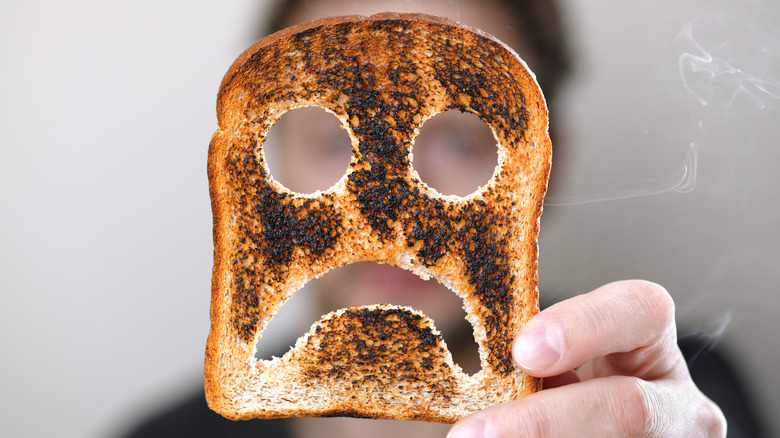
Understanding what happens inside food helps you prevent overcooking. Here’s the simple science.
- Protein denaturation
Heat changes proteins. They tighten and squeeze out moisture. That is why meat and eggs go dry when overcooked. - Water loss and evaporation
Cooking evaporates water. Faster evaporation on high heat dries food out and makes overcooking show up quickly. - Maillard reaction and burning
The Maillard reaction gives brown, tasty crusts. Too much heat turns that flavor into bitter burned bits. - Carryover heat
After removing from heat, internal temperature keeps rising. This is a big reason why food overcooks easily if you don’t stop early.
Knowing this science helps you adjust temperature and timing to avoid overcooking.
Equipment, heat, and timing mistakes that cause overcooking
Small gear and habit changes stop many overcooking problems. These are practical things I see all the time in home kitchens.
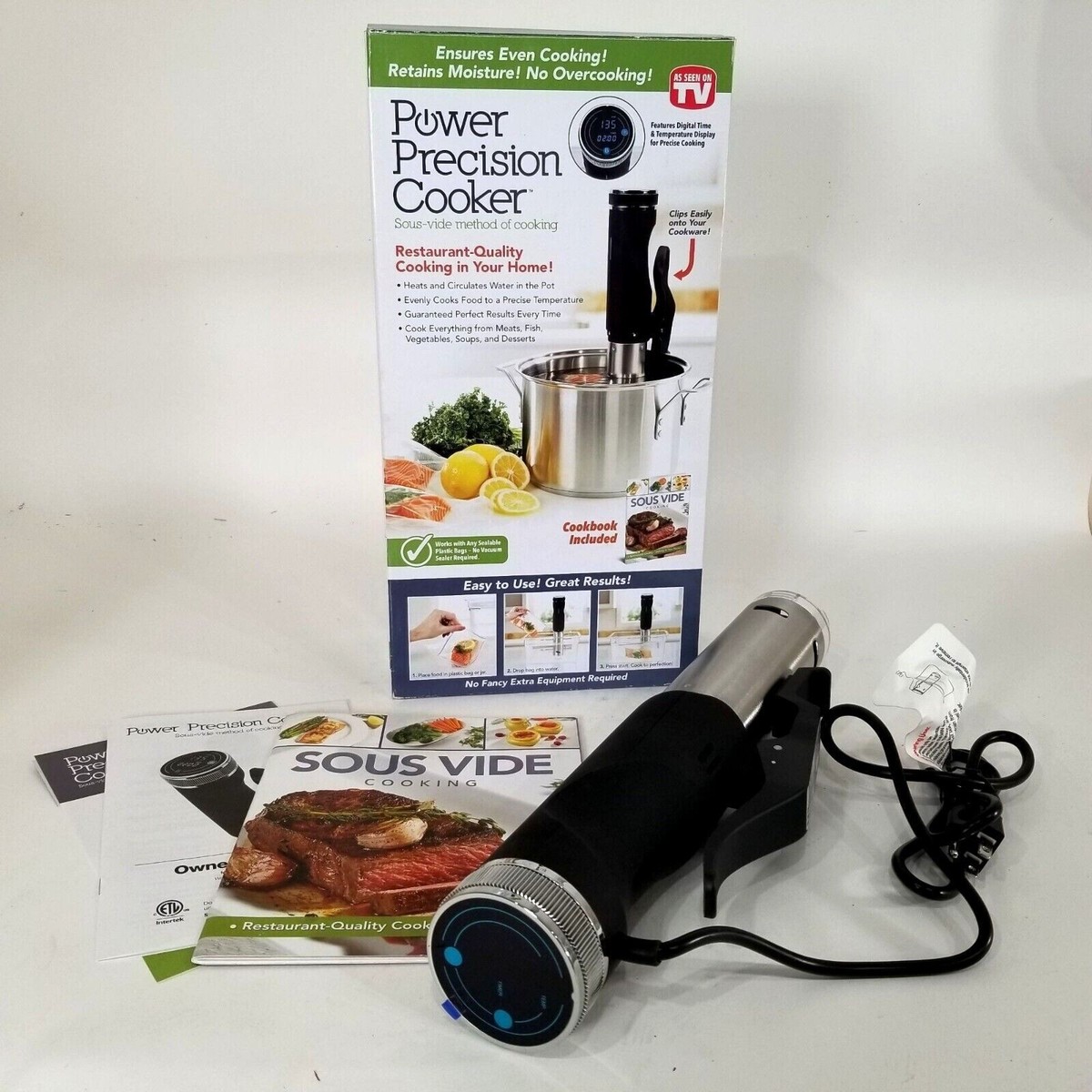
- Not using a meat thermometer
Guessing doneness leads to overcooking. A thermometer tells you the exact moment to stop. - Wrong burner size under the pan
Match the pan to the burner. A small burner under a big pan creates hotspots and uneven cooking. - Preheating mistakes
Starting on a cold pan or a too-hot pan causes inconsistent results. Let pans and ovens reach the right temp. - Not resting food
Cutting into hot meat too soon leaks juices. Resting keeps food moist and avoids overcooking when carving. - One-pot crowding
Crowded pans steam instead of sear. That often requires longer time and raises the chance you’ll overcook.
Addressing these fixes will directly answer why food overcooks easily in your kitchen.
How to prevent overcooking: practical tips you can use now
These steps are simple and effective. I use them daily and they work.
- Use an instant-read thermometer
Check internal temps. Remove food a few degrees before the final target for carryover cooking. - Lower heat and extend time
Cook low and slow when possible. Gentle heat keeps food moist and reduces overshoot. - Cut food into even pieces
Uniform size equals even cooking. This reduces the chance that small pieces overcook. - Use timers and alarms
Set a timer early. Check food a minute or two before expected finish to avoid surprises. - Sear then finish in oven
Sear on the stove and finish in an oven. This stabilizes heat and prevents burning outside while undercooking inside. - Rest proteins for 5 to 10 minutes
Resting lets juices redistribute. It also prevents extra oven time and overcooking when slicing. - Adjust recipes when scaling
More food in the pan or oven changes cook time. Reduce heat or increase time in small steps while testing.
Practice these tips and you’ll see why food overcooks easily become a thing of the past.
Recipe adjustments and kitchen strategies
Recipes assume ideal conditions. Real kitchens don’t. Use these strategies to adapt.
- Test early and often
Start checking doneness a few minutes before the recipe time. That prevents overcooking the last few minutes. - Halve cook time for smaller items
Smaller portions cook faster. Reduce time and check sooner to stop overcooking. - Use moist-heat methods when worried
Steaming or braising keeps food moist and lowers the risk that food overcooks easily. - Finish delicate foods off heat
Vegetables and seafood often do best off direct heat with a lid on for a minute to finish. - Keep a notebook
Track adjustments you make to recipes. That helps you avoid overcooking the next time.
These strategies make your cooking predictable and reduce mistakes that answer why food overcooks easily.
Personal experiences: mistakes I made and what I learned
I once ruined a roast by leaving it in the oven ten minutes too long. The outside was fine but the center went dry. Since then I always use a probe thermometer and remove meat early to rest. That simple habit saved many meals.
I also used to crowd skillets during weeknight dinners. Everything steamed and the pan took forever to return to heat. Now I cook in batches. The food browns faster and I avoid overcooking. Small changes like this stop why food overcooks easily from happening again.

Frequently Asked Questions of why food overcooks easily
Why does my chicken always dry out?
Chicken dries out when cooked at too high a temperature or for too long. Use a thermometer and remove the meat at 160°F, then let it rest to reach safe temperature without overcooking.
Can overcooking ruin nutrients?
Some nutrients break down with heat, but most loss happens only with long, high heat. Shorter cook times and gentler methods preserve more vitamins and flavor.
Does carryover cooking really matter?
Yes. Carryover cooking raises internal temperature several degrees after removal from heat. For large cuts, plan to remove meat early and let it rest to avoid overcooking.
How can I keep veggies from becoming mushy?
Cook vegetables on medium heat for short time or blanch and shock them in ice water. Avoid long stewing when you want crisp texture to prevent overcooking.
Is a meat thermometer necessary for home cooks?
A thermometer is the easiest way to avoid overcooking. It removes guesswork and helps you stop cooking at the right time every time.
Conclusion
Overcooking happens for simple reasons: too much heat, poor timing, wrong tools, and not accounting for carryover heat. Fix these and you will cook more predictably and with better flavor. Start by using a thermometer, lowering heat, and testing early. Try one change tonight and notice the difference in texture and taste.
Take action now: pick one tip from this article, test it in your next meal, and share your result in the comments. I'd love to hear which fix helped you stop asking why food overcooks easily.
