

Unlock culinary creativity with our detailed guide on kitchen grinders for both meat and vegetables. Learn how to select the right grinder, safely operate it, and maintain it for optimal performance. Discover how to prepare delicious homemade burgers, sausages, and even puréed vegetable dishes with ease.
Are you ready to elevate your home cooking? Imagine crafting the freshest, most flavorful burgers you’ve ever tasted, making your own custom sausages, or even creating vibrant vegetable purées for healthy dips and sauces. The secret to achieving these culinary delights often lies in a versatile kitchen tool: the grinder. Whether you’re dealing with hearty cuts of meat or crisp, fresh vegetables, a kitchen grinder can transform your ingredients and expand your recipe repertoire significantly.
This comprehensive guide is designed to demystify the world of kitchen grinders for both meat and vegetables. We’ll walk you through everything you need to know, from choosing the perfect grinder for your needs to mastering its operation, ensuring safety, and keeping it sparkling clean. Get ready to unlock a new level of deliciousness in your kitchen!
Key Takeaways
- Selecting the Right Grinder: Understand the differences between manual, electric, and stand mixer attachments, considering your needs for power, capacity, and versatility.
- Meat Grinding Fundamentals: Learn the essential steps for preparing meat, including chilling, cutting, and assembling the grinder for safe and efficient operation.
- Vegetable Grinding Techniques: Discover how to prepare vegetables for grinding, appropriate grind sizes for different dishes, and tips for preventing mushiness.
- Safety First: Emphasize crucial safety precautions for using any type of kitchen grinder to prevent accidents and ensure a smooth cooking experience.
- Cleaning and Maintenance: Provide clear instructions on how to properly clean and maintain your grinder to prolong its lifespan and ensure hygienic operation.
- Creative Recipe Ideas: Explore a range of delicious recipes, from classic burgers and sausages to innovative vegetable purées and dips, to inspire your culinary adventures.
Understanding Your Kitchen Grinder Options
Before you can start grinding, it’s essential to understand the different types of kitchen grinders available. Each has its own advantages and disadvantages, so choosing the right one depends on your cooking habits and preferences.
Manual Grinders
These are the classic, no-frills grinders. They typically consist of a hopper, a grinding mechanism (screw or auger), a cutting plate, and a knife. You’ll need to turn a hand crank to force the food through the grinding plates.
- Pros: Inexpensive, portable, no electricity required, good for small batches.
- Cons: Require significant physical effort, slower than electric models, can be difficult to clean thoroughly.
Electric Grinders
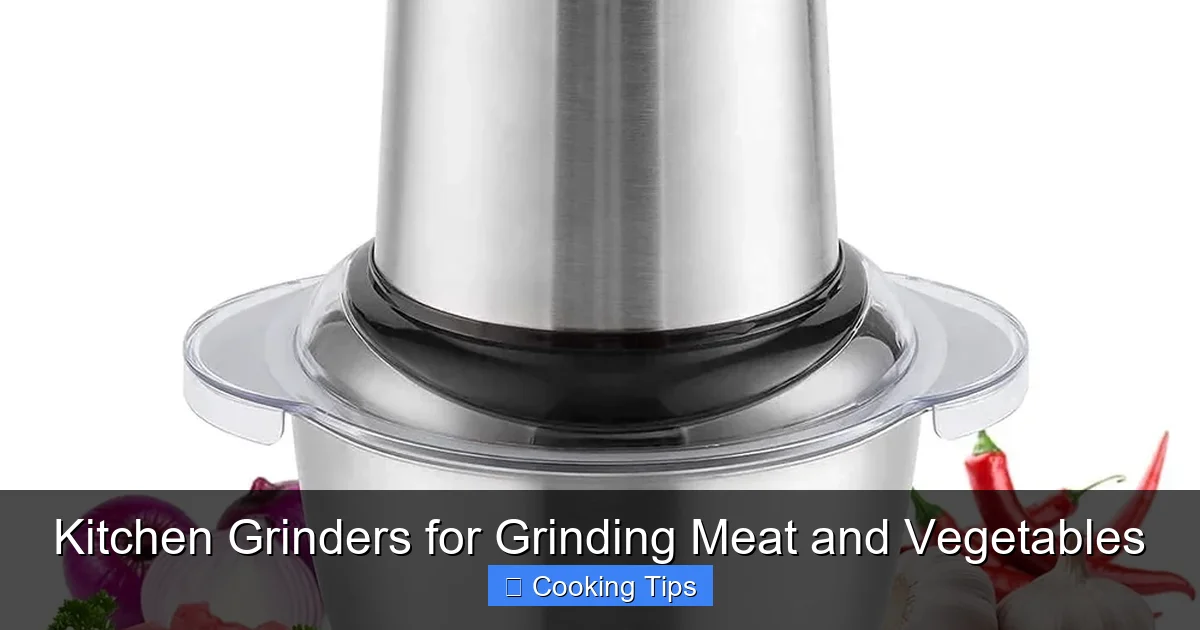
Electric grinders are the most common choice for home cooks looking for convenience and speed. They come in various sizes and power levels, from compact countertop models to more robust, heavy-duty units. They feature a motor that powers the grinding mechanism.
- Pros: Fast and efficient, require minimal effort, come with various grinding plates and attachments for different textures, larger capacity.
- Cons: More expensive, require electricity, can be bulky, cleaning can be more involved.
Stand Mixer Attachments
If you already own a stand mixer, a grinder attachment can be a fantastic, space-saving option. These attachments connect to your mixer’s power hub and utilize the mixer’s motor to do the grinding.
- Pros: Integrates with existing appliances, often high-quality grinding plates, versatile with other mixer attachments.
- Cons: Require a compatible stand mixer, can be an additional expense, storage for the attachment is needed.
Choosing the Right Grinder for Your Needs
Consider these factors when making your purchase:

Visual guide about Kitchen Grinders for Grinding Meat and Vegetables
Image source: rukminim2.flixcart.com
- Volume: How much meat or vegetables do you plan to grind regularly? For large families or frequent entertaining, a more powerful electric grinder is recommended. For occasional use, a manual or smaller electric model might suffice.
- Power (for electric grinders): Wattage is a good indicator of a grinder’s power. Higher wattage generally means it can handle tougher cuts of meat and grind faster. Look for at least 500 watts for basic use, and 1000+ watts for heavy-duty grinding.
- Material: Look for grinders made with durable materials like stainless steel for the grinding head and blades. Plastic parts should be sturdy and BPA-free.
- Attachments: Many grinders come with various grinding plates (different hole sizes for coarse to fine grinds), and some even include sausage stuffer kits or kibbeh makers. These can add significant versatility.
Mastering Meat Grinding: Step-by-Step
Grinding your own meat offers unparalleled freshness and control over fat content and flavor. Here’s how to do it effectively and safely.
Visual guide about Kitchen Grinders for Grinding Meat and Vegetables
Image source: 5.imimg.com
Step 1: Prepare Your Meat
This is the most crucial step for a smooth grinding experience.
- Chill the Meat: For best results, your meat should be very cold, almost frozen. Place your meat cuts in the freezer for about 30-60 minutes before grinding. This helps the meat firm up, making it easier to cut and preventing it from smearing during the grinding process. Cold meat also grinds cleaner, producing a better texture.
- Trim Excess Fat and Tough Connective Tissue: While some fat is desirable for flavor and moisture, remove any large, thick chunks of fat, silverskin, and tough connective tissues. These can clog the grinder.
- Cut into Grinding Size: Cut your chilled meat into uniform cubes, about 1 to 1.5 inches thick. This ensures the meat feeds smoothly into the grinder’s hopper.
Step 2: Assemble Your Grinder
Refer to your grinder’s manual for specific assembly instructions, but generally, the process is as follows:
The components are typically assembled in this order, from back to front:
- Drive Shaft/Auger: This is the screw-like mechanism that pushes the meat forward.
- Grinding Plate: Choose the plate with the hole size that suits your desired texture. A coarse plate (larger holes) is good for burgers and sausages, while a fine plate (smaller holes) is better for pâtés or finer grinds.
- Knife/Blade: This is the rotating cutting blade that sits against the grinding plate. Ensure it’s sharp and oriented correctly.
- Lock Ring/Nut: This secures all the parts together. Don’t overtighten it, as this can make it difficult to disassemble and could damage the grinder. Just snug is usually enough.
Step 3: Grind the Meat
Now for the exciting part!
- Feed the Meat: Turn on your electric grinder (or start cranking your manual one). Place the meat cubes into the hopper, one by one.
- Use the Plunger: Use the provided plunger to gently push the meat down into the grinding mechanism. Never use your fingers to push meat into the grinder; this is a serious safety hazard.
- Grind in Batches: For best results, especially with electric grinders, you might want to grind the meat once for a coarse texture, then reassemble with a finer plate and grind it a second time for a smoother consistency, if desired.
- Collect the Ground Meat: Place a clean bowl or tray beneath the grinder’s output to catch the freshly ground meat.
Practical Tips for Meat Grinding
- Experiment with Cuts: Different cuts of meat yield different results. Chuck roast is excellent for burgers due to its balanced fat content. Brisket offers rich flavor. Pork shoulder is ideal for sausages.
- Mix Meats: Don’t be afraid to mix different types of meat, like beef and pork, or add a small amount of lamb for unique flavor profiles.
- Don’t Overfill: Avoid cramming too much meat into the hopper at once. Let the grinder work at its own pace.
- Listen to Your Grinder: If your grinder is struggling or making unusual noises, stop it immediately. It might be overloaded, or there might be a blockage.
Grinding Vegetables: A World of Possibilities
Grinding vegetables opens up a universe of textures and flavors, from hearty root vegetables to softer fruits. It’s a fantastic way to incorporate more produce into your diet.

Visual guide about Kitchen Grinders for Grinding Meat and Vegetables
Image source: seriouseats.com
Step 1: Prepare Your Vegetables
Just like with meat, proper preparation is key for successful vegetable grinding.
- Wash Thoroughly: Ensure all vegetables are washed and cleaned well before grinding.
- Trim and Cut: Remove any tough stems, skins (if not desired), or seeds from vegetables like peppers or squash. Cut them into pieces that fit comfortably into your grinder’s hopper. For harder vegetables like carrots or beets, cutting them into smaller, uniform pieces is essential.
- Consider Moisture Content: Very watery vegetables, like tomatoes or cucumbers, can sometimes make the grinding process messy or result in a mushy texture. If you’re grinding these for a specific recipe, consider draining excess liquid or grinding them in smaller batches. For very hard vegetables like raw potatoes, a coarse grind can produce a texture suitable for dishes like potato pancakes.
Step 2: Select the Right Grind Size
The grinding plate you choose will significantly impact the final texture of your vegetables.
- Coarse Grind: Excellent for creating chunky textures in relishes, salsas, or for grated vegetables in fritters and hash browns.
- Medium Grind: Good for recipes where you want a more noticeable vegetable presence but a smoother overall consistency, like in vegetable patties or pasta sauces.
- Fine Grind: Ideal for purées, dips, baby food, or when you want the vegetable to blend almost seamlessly into a dish.
Step 3: Grind the Vegetables
This process is very similar to grinding meat.
- Feed the Hopper: Place your prepared vegetable pieces into the hopper.
- Use the Plunger: Gently push the vegetables down with the plunger.
- Work in Batches: For vegetables with high water content or those that tend to become mushy (like zucchini), grinding them in smaller batches can help maintain a better texture.
- Combine or Use Immediately: Ground vegetables can be used immediately in recipes or combined with other ingredients as needed.
Practical Tips for Vegetable Grinding
- Preventing Mushiness: For vegetables like zucchini, carrots, or potatoes, grinding them cold can help. Some recipes might even call for squeezing out excess moisture after grinding.
- Root Vegetables: Hard root vegetables like carrots, beets, and parsnips can be ground raw or lightly blanched for softer textures.
- Peppers and Onions: These are fantastic for adding flavor to salsas, relishes, and stuffing mixtures.
- Soft Fruits: While primarily for vegetables, some grinders can handle soft fruits like apples or pears for sauces or baby food.
- Flavor Boost: Grinding a clove of garlic or a small piece of ginger with your vegetables can add an extra layer of flavor.
Safety First: Essential Precautions
Operating any kitchen grinder, especially electric models, requires strict adherence to safety guidelines to prevent injuries.
- Read the Manual: Always read and understand your grinder’s operating manual before first use.
- Never Use Fingers: This cannot be stressed enough. Always use the provided plunger to push food into the grinder. Keep hands and fingers clear of the hopper and grinding mechanism at all times.
- Keep Guards in Place: Ensure all safety guards and covers are properly in place before operating the grinder.
- Unplug Electric Grinders: Always unplug electric grinders before assembling, disassembling, cleaning, or when not in use.
- Stable Surface: Place the grinder on a stable, flat surface to prevent it from tipping or moving during operation.
- Clear the Area: Keep children and pets away from the area while the grinder is in use.
- Sharp Blades: Be extremely careful when handling the grinding plates and knives; they are very sharp.
Cleaning and Maintenance: Keeping Your Grinder Pristine
Proper cleaning is vital for hygiene, longevity, and optimal performance of your kitchen grinder.
Immediate Cleaning is Key
The sooner you clean your grinder after use, the easier it will be.
- Disassemble Carefully: Unplug electric grinders and carefully disassemble all parts.
- Wash Components: Most grinder parts are not dishwasher safe, as high heat can warp plastic and dull metal. Hand wash all parts (hopper, auger, plates, knife, lock ring) in warm, soapy water. Use a brush to get into tight spots.
- Dry Thoroughly: This is extremely important to prevent rust, especially for metal parts. Dry all components completely with a clean towel. You can also air dry them on a rack.
- Lubricate Metal Parts (Optional but Recommended): For metal grinding plates and knives, a light coating of food-grade mineral oil after drying can help prevent rust and keep them in good condition.
- Wipe Down the Motor Housing: For electric grinders, wipe down the exterior motor housing with a damp cloth. Never immerse the motor in water.
- Reassemble or Store: You can reassemble the grinder after it’s completely dry, or store the parts separately in a dry place.
Troubleshooting Common Grinding Issues
Even with the best preparation, you might encounter a few snags. Here’s how to fix them.
- Grinder is Slow or Stalling:
- Cause: Overfeeding the hopper, meat too warm, grates or knife are dull, or too much connective tissue.
- Solution: Stop the grinder, clear any blockages, trim more fat and connective tissue, and ensure meat is well-chilled. For dull parts, consider replacement.
- Ground Meat is Mushy:
- Cause: Meat is too warm, grinder components are not sharp, or the grind is too fine for the meat type.
- Solution: Chill meat more thoroughly, ensure the knife and plate are sharp, and consider using a coarser grind.
- Grinder is Jamming:
- Cause: Overloading the hopper, tough gristle, or improper assembly.
- Solution: Stop the grinder, carefully remove the blockage, reassemble correctly, and feed meat more slowly.
- Rust on Metal Parts:
- Cause: Metal parts not dried thoroughly after washing.
- Solution: Clean off the rust with a stiff brush or fine steel wool, wash, dry meticulously, and apply a light coat of food-grade mineral oil.
Creative Recipe Ideas to Get You Started
Now that you’re a grinding expert, it’s time to get cooking!
- Classic Burgers: Grind your favorite cuts of beef (chuck, sirloin) for the most flavorful, juicy burgers. Experiment with adding spices directly to the meat before grinding.
- Homemade Sausages: Grind pork shoulder or chicken with your desired herbs and spices. Use the sausage stuffer attachment for perfect links.
- Meatloaf and Meatballs: Ground meat provides the perfect base for these comfort food classics.
- Vegetable Patties: Grind mixed vegetables like carrots, zucchini, and onions, bind with breadcrumbs and egg, and pan-fry for a healthy vegetarian option.
- Salsas and Relishes: Grind fresh tomatoes, onions, peppers, and jalapeños for a chunky, flavorful salsa.
- Vegetable Purées: Grind cooked root vegetables like sweet potatoes or butternut squash for smooth baby food or elegant side dishes.
- Dips and Spreads: Grind roasted red peppers, garlic, and a touch of chili for a smoky, flavorful dip.
Conclusion
Your kitchen grinder is more than just an appliance; it’s a gateway to unparalleled freshness, flavor, and creativity in your cooking. By understanding your options, mastering the techniques for both meat and vegetables, prioritizing safety, and maintaining your grinder properly, you’ll be well on your way to creating culinary masterpieces. From hearty burgers to vibrant vegetable dishes, the possibilities are truly endless. So, fire up your grinder and start exploring the delicious world that awaits!
