

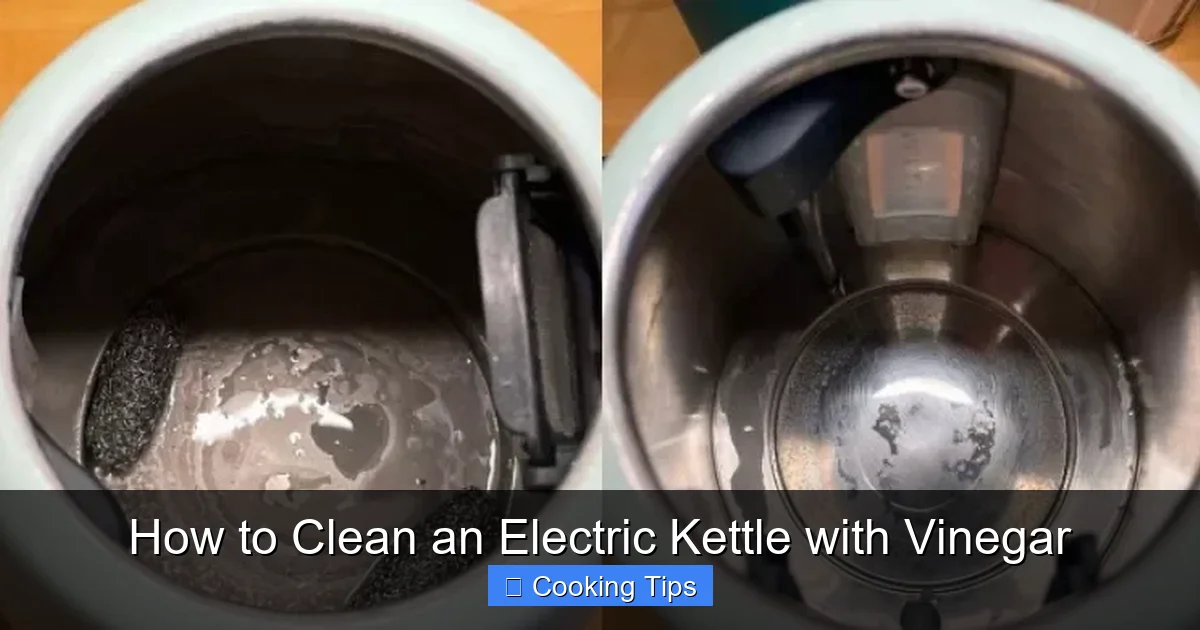
Over time, mineral deposits, also known as limescale, can build up inside your electric kettle, affecting its performance and the taste of your beverages. This guide provides a simple, effective, and natural method for cleaning your electric kettle using household vinegar. Follow these easy steps to restore your kettle’s shine and function, ensuring pure-tasting hot drinks every time.
Key Takeaways
- Vinegar is a powerful natural descaler: Its acidity effectively breaks down stubborn mineral deposits like limescale.
- Simple and cost-effective: You likely already have the main cleaning ingredient, white vinegar, in your pantry.
- Improves kettle performance: Removing limescale ensures your kettle heats water efficiently, saving energy.
- Enhances beverage taste: Limescale can impart a metallic or chalky flavor to your tea and coffee.
- Easy step-by-step process: The guide breaks down cleaning into manageable, straightforward steps.
- Safe for most kettles: This method is generally safe for both stainless steel and glass electric kettles.
How to Clean an Electric Kettle with Vinegar
Are you noticing your once-sparkling electric kettle is now sporting a layer of white, chalky buildup? Does your morning tea or coffee taste a little… off? If so, you’re likely dealing with limescale, a common issue caused by mineral deposits in your tap water. This buildup doesn’t just look unsightly; it can also make your kettle work harder, take longer to boil, and unfortunately, affect the taste of your favorite hot drinks. But don’t worry! You don’t need harsh chemicals to get your electric kettle back in pristine condition. This guide will walk you through a simple, effective, and natural method to clean your electric kettle using an everyday kitchen staple: vinegar. By the end, you’ll know exactly how to banish limescale and ensure your kettle is always ready to deliver perfectly boiled water.
Why Vinegar is Your Best Friend for Kettle Cleaning
White vinegar is a true superhero when it comes to tackling limescale. Why? It’s all about its acidity. Vinegar contains acetic acid, which is fantastic at breaking down the calcium and magnesium deposits that form limescale. Unlike harsh chemical cleaners, vinegar is a natural and food-safe option. It’s readily available, inexpensive, and far less likely to leave behind any unpleasant residues or fumes. Using vinegar is a sustainable and eco-friendly way to maintain your kitchen appliances.
Gather Your Supplies
Before you start, make sure you have everything you need. This will make the cleaning process smooth and efficient.
- White Vinegar: This is your primary cleaning agent. Make sure it’s plain white distilled vinegar, not apple cider vinegar or any flavored varieties, as these can sometimes leave a residue or scent.
- Water: You’ll need water for diluting the vinegar and for rinsing.
- A Measuring Cup: For accurately measuring your vinegar and water.
- A Soft Cloth or Sponge: For wiping down the exterior.
- Optional: Dish Soap: For cleaning the exterior if needed.
Step-by-Step Guide to Cleaning Your Electric Kettle with Vinegar
Cleaning your electric kettle with vinegar is a straightforward process. Just follow these simple steps, and you’ll have a sparkling clean kettle in no time.
Step 1: Prepare the Kettle
First, ensure your kettle is unplugged and completely cool. Never attempt to clean a hot kettle. Empty any remaining water from the kettle. If there’s any loose debris or sediment at the bottom, you can rinse it out with plain water.
Step 2: Create the Vinegar Solution
This is where the magic happens! You’ll be creating a solution of vinegar and water. The ratio is important for effectiveness without being too harsh.
For moderate limescale buildup:
- Mix equal parts white vinegar and water. For example, if your kettle has a 1-liter capacity, you might use 500ml of vinegar and 500ml of water.
For stubborn limescale buildup:
- You can increase the proportion of vinegar slightly, but avoid using pure vinegar, as it can be too strong. A 2:1 ratio of vinegar to water (two parts vinegar, one part water) can be effective.
Pour this mixture into your electric kettle. Make sure the solution covers the limescale deposits. If the limescale is only at the very bottom, you don’t need to fill it to the top. However, filling it about halfway or two-thirds full is usually sufficient.
Step 3: Let the Vinegar Do Its Work
Now, you need to let the acidic power of the vinegar tackle the limescale.
- Plug in your kettle and bring the vinegar-water solution to a boil.
- Once it boils, turn off the kettle and unplug it.
- Let the hot solution sit in the kettle for at least 30 minutes. For very stubborn limescale, you can leave it for an hour or even longer. You might notice the water color changing or small bits of limescale starting to flake away – this is a good sign!
Step 4: Empty and Inspect
After the soaking period, carefully empty the vinegar-water solution from the kettle. You can pour it down the drain. Now, take a look inside your kettle. You should see a significant reduction in limescale. For most kettles, the majority of the buildup will be gone.
Step 5: Rinse Thoroughly
This is a crucial step to remove any remaining vinegar residue and loosened limescale.
- Fill the kettle with fresh, plain water.
- Bring this water to a boil.
- Discard the boiled water.
- Repeat this rinsing process at least two more times with fresh water to ensure there’s no lingering vinegar smell or taste. You might want to give it a final boil and rinse if you’re particularly sensitive to the vinegar scent.
Step 6: Clean the Exterior
While you’ve been tackling the interior, don’t forget the outside!
- Use a damp cloth or sponge to wipe down the exterior of the kettle.
- If there are any stubborn marks on the outside, you can use a little mild dish soap on your cloth.
- Wipe down with a clean, damp cloth to remove any soap residue.
- Dry the exterior with a soft, dry cloth.
Tips for Maintaining a Clean Kettle
Prevention is always better than cure! Here are some tips to keep your electric kettle cleaner for longer:
- Use Filtered Water: If your tap water is particularly hard (high in minerals), consider using filtered water to fill your kettle. This will significantly reduce limescale buildup.
- Empty After Each Use: Try to empty your kettle completely after each use. Leaving water sitting in the kettle can contribute to mineral deposits forming over time.
- Regular Light Cleaning: Don’t wait until the limescale is thick. A quick clean with just water (boil and rinse) once a week or every couple of weeks can help prevent major buildup.
- Occasional Vinegar Treatment: Even with regular maintenance, you’ll likely need to do a vinegar descaling every 1-3 months, depending on your water hardness and usage.
Troubleshooting: What If the Limescale Isn’t Budging?
Sometimes, especially with very old or neglected kettles, limescale can be incredibly stubborn. If the initial vinegar treatment hasn’t completely removed it, don’t despair.
Option 1: Repeat the Process
You can simply repeat the vinegar descaling process. Sometimes, a second or even a third attempt is all it takes. Make sure you’re using a strong enough vinegar solution and allowing adequate soaking time.
Option 2: Gentle Scrubbing
After the vinegar soak, if some small patches of limescale remain, you can try to gently scrub them away. Use a non-abrasive sponge or a soft cloth. Avoid using steel wool or harsh scrubbing pads, as these can scratch the interior of your kettle.
Option 3: Commercial Descalers (Use with Caution)
If vinegar isn’t cutting it, you might consider a commercial kettle descaler. Always follow the manufacturer’s instructions precisely and ensure you rinse the kettle thoroughly multiple times afterward, as these can contain stronger chemicals.
Important Note: If your kettle has specific cleaning instructions from the manufacturer, always refer to those first. Some kettles, especially those with delicate finishes or specific heating elements, might have particular care requirements.
Conclusion: Enjoying Pure-Tasting Beverages
Cleaning your electric kettle with vinegar is a simple, effective, and eco-friendly way to keep it in top condition. By following these steps, you can easily remove unsightly and performance-hindering limescale. A clean kettle not only looks better but also functions more efficiently and, most importantly, ensures that your tea, coffee, and other hot beverages taste exactly as they should – pure and delicious. So, grab that bottle of white vinegar, and give your kettle the spa treatment it deserves! You’ll be rewarded with better-tasting drinks and a longer-lasting appliance.
