

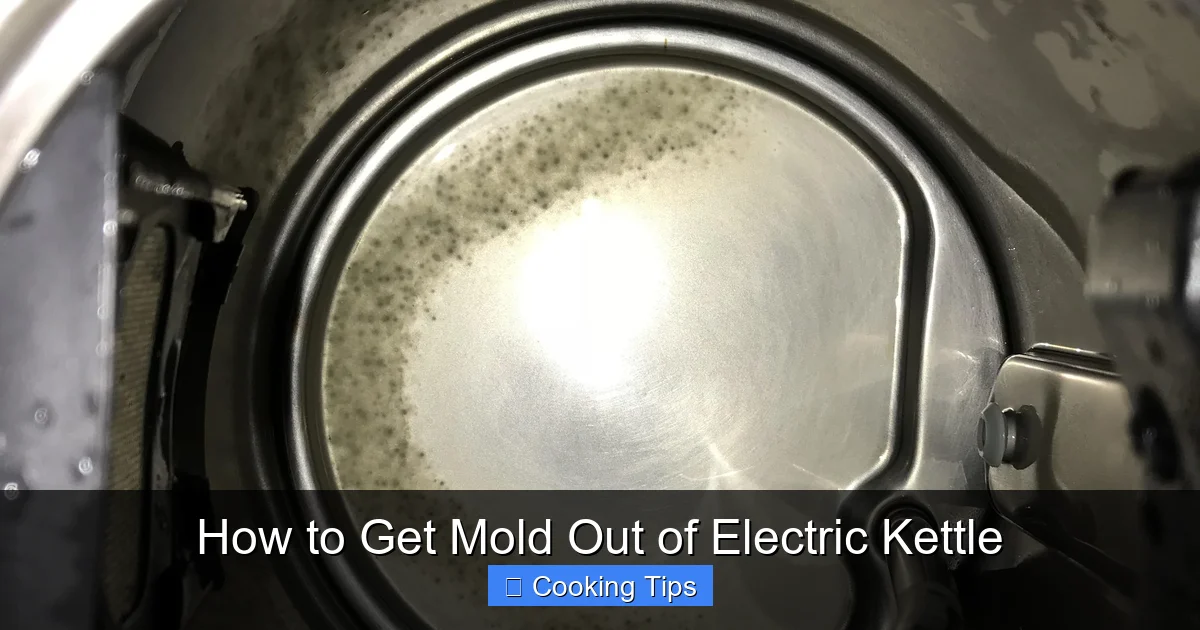
Discover how to effectively remove mold from your electric kettle with this comprehensive 2026 guide. We’ll walk you through simple yet powerful cleaning methods using common household ingredients to ensure your kettle is hygienic and your water tastes pure. Say goodbye to mold and hello to safe, clean boiling water for all your beverages and cooking needs.
Key Takeaways
- Regular Maintenance Prevents Mold: The best defense against mold in your electric kettle is consistent, simple cleaning after each use and weekly deep cleans.
- Vinegar is a Mold’s Worst Enemy: White vinegar is a highly effective, natural disinfectant and descaler that can safely eliminate mold and its spores.
- Baking Soda for Gentle Scrubbing: Baking soda offers a mild abrasive to help scrub away stubborn mold stains without scratching the kettle’s interior.
- Lemon Juice for Natural Disinfection: Lemon juice provides a pleasant scent and has natural antibacterial properties that aid in mold removal.
- Thorough Rinsing is Crucial: After any cleaning solution, rinsing the kettle multiple times is essential to remove all traces of cleaning agents and mold residue.
- Drying Prevents Re-growth: Always ensure the kettle is completely dry, inside and out, before storing it to prevent the humid environment that mold thrives in.
- Safety First with Electrical Components: Always unplug the kettle and ensure it is cool before commencing any cleaning to avoid electric shock or burns.
How to Get Mold Out of Electric Kettle
Welcome to our comprehensive guide for 2026 on how to tackle that unwelcome guest in your kitchen: mold in your electric kettle! It’s a common issue, but one that can easily be resolved with a few simple, effective methods. An electric kettle is a kitchen staple, used for everything from your morning coffee to sterilizing baby bottles. The last thing you want lurking inside is mold. Not only is it unsightly, but it can also affect the taste of your water and pose health risks. Fortunately, getting mold out of your electric kettle is straightforward, and you likely have the necessary cleaning supplies already in your pantry.
This guide will equip you with the knowledge to banish mold, ensure the safety of your drinking water, and keep your electric kettle in tip-top condition for years to come. We’ll cover the best natural cleaning solutions, step-by-step instructions, and essential tips for preventing mold from returning.
Why Does Mold Grow in Electric Kettles?
Before we dive into the cleaning process, understanding why mold appears in your electric kettle can help you prevent it in the future. Mold thrives in dark, damp environments with stagnant water. After boiling, if water is left standing in the kettle, especially if it’s not fully dried out, it creates the perfect breeding ground for mold spores. Mineral deposits (limescale) can also trap moisture and provide a surface for mold to attach to. Regular use without proper cleaning is the most common culprit.
Safety First: Before You Begin
Before you start any cleaning, always remember these crucial safety steps:
- Unplug the Kettle: Never attempt to clean an electric kettle while it is plugged in. Ensure the power cord is completely disconnected from the wall socket.
- Let it Cool Down: If you’ve recently used the kettle, allow it to cool down completely before you begin cleaning. This prevents burns from hot surfaces or water.
- Read the Manufacturer’s Instructions: While these methods are generally safe, it’s always a good idea to check your kettle’s manual for any specific cleaning recommendations or warnings.
Method 1: The Power of White Vinegar
White vinegar is a fantastic natural cleaner and disinfectant. Its acidity helps to break down mold and limescale effectively.
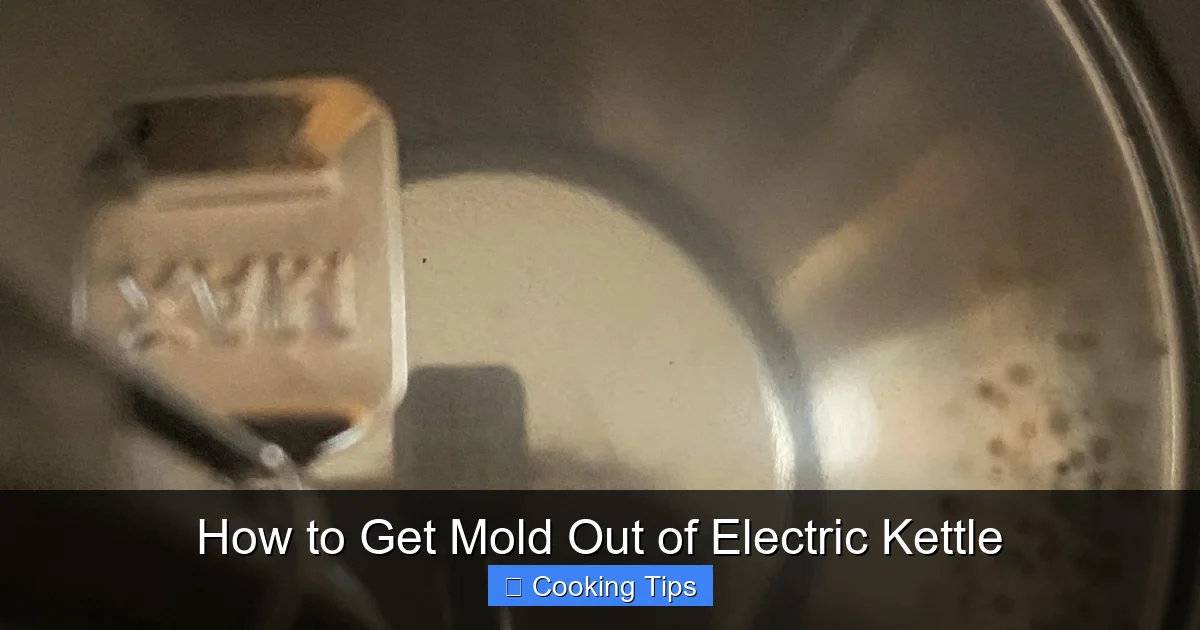
Visual guide about How to Get Mold Out of Electric Kettle
Image source: easylifeelectronic.com
Step 1: Prepare the Vinegar Solution
Fill your electric kettle with a 1:1 ratio of white vinegar and water. For example, if your kettle holds 1 liter, use 500ml of white vinegar and 500ml of water. Ensure the solution covers the moldy areas. If the mold is concentrated in one spot, you might need to adjust the water level accordingly.
Step 2: Let it Soak (and Boil, if needed)
Close the lid of your electric kettle. For mild mold, you can let this solution sit for at least an hour. For more stubborn mold, you can gently heat the solution. Turn on the kettle and let it come to a boil. Once it boils, turn it off and let the hot vinegar solution sit inside for at least 30 minutes to an hour. The steam will help to loosen the mold and mineral deposits.
Step 3: Scrubbing and Rinsing
After the soaking or boiling period, carefully discard the vinegar-water solution. Use a soft sponge or a non-abrasive cloth to gently scrub any remaining mold or residue from the inside of the kettle. Pay attention to corners and edges where mold tends to hide. Rinse the kettle thoroughly with clean water multiple times. It’s vital to rinse until you can no longer smell the vinegar.
Step 4: Final Boil and Rinse
Fill the kettle with fresh, clean water and bring it to a boil. Discard this water. Repeat this fresh water boil and discard process at least one more time. This ensures all traces of vinegar and any loosened mold are completely removed, leaving your kettle fresh and clean.
Method 2: Baking Soda for Gentle Power
Baking soda is another excellent natural cleaner, acting as a mild abrasive that can help scrub away mold without damaging the kettle’s interior. It’s also great for deodorizing.
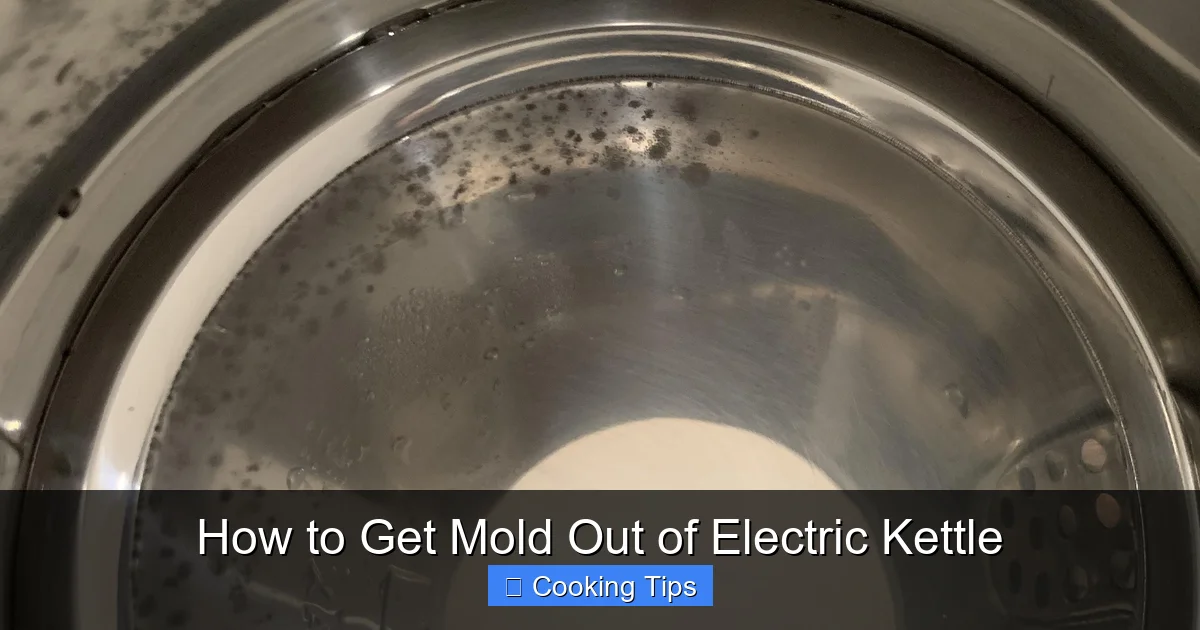
Visual guide about How to Get Mold Out of Electric Kettle
Image source: i.redd.it
Step 1: Create a Baking Soda Paste
If the mold is particularly stubborn or you prefer a gentler abrasive, mix 2-3 tablespoons of baking soda with a small amount of water to form a thick paste. You can also add a few drops of white vinegar to this paste for extra cleaning power.
Step 3: Apply and Scrub
With the kettle unplugged and cool, use a soft cloth or sponge to apply the baking soda paste directly to the moldy areas. Gently scrub the interior of the kettle, focusing on the affected spots. The paste will help lift and scrub away the mold.
Step 4: Rinse Thoroughly
Once you’ve scrubbed, rinse the kettle thoroughly with clean water. Make sure to remove all the baking soda residue. Repeat the rinsing process several times to ensure no paste or mold remains.
Step 5: Optional Vinegar Soak
For extra assurance against mold spores, you can follow up the baking soda cleaning with a quick vinegar soak as described in Method 1. Fill the kettle with a 1:1 vinegar-to-water solution, boil, let it sit for 15-30 minutes, and then rinse thoroughly multiple times.
Method 3: Lemon Juice for Freshness and Disinfection
Lemon juice offers natural disinfecting properties and leaves a pleasant, fresh scent.
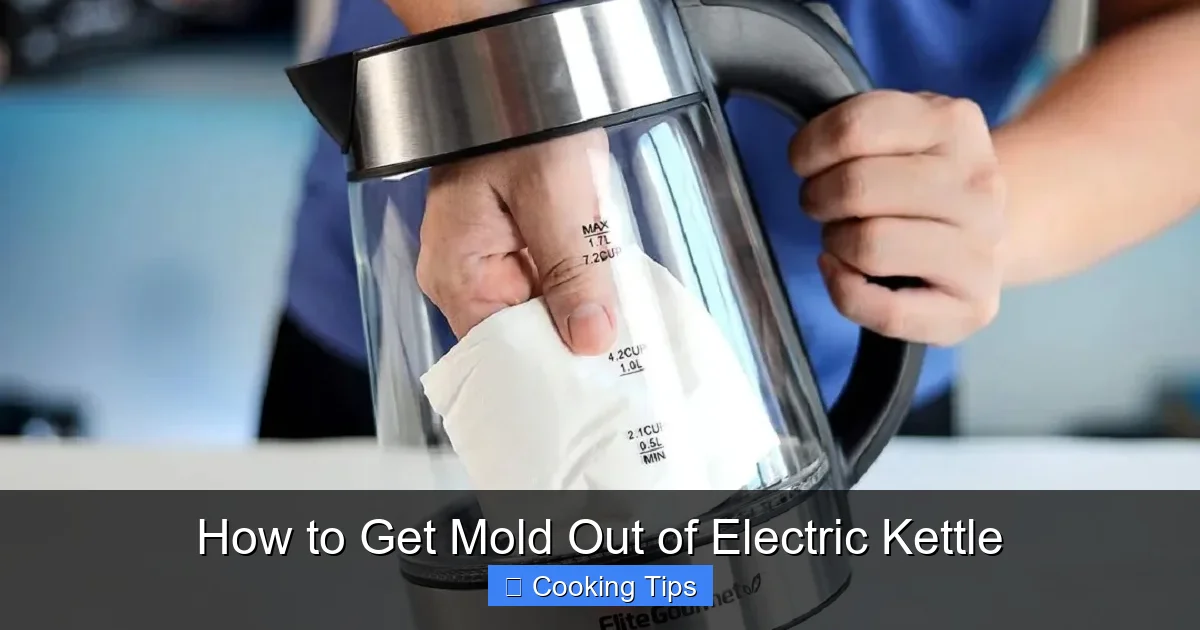
Visual guide about How to Get Mold Out of Electric Kettle
Image source: storables.com
Step 1: Prepare the Lemon Solution
Cut one or two lemons in half and squeeze their juice into the electric kettle. You can also add the squeezed lemon halves to the kettle. Fill the kettle with enough water to cover the moldy areas.
Step 2: Boil and Let Sit
Close the lid and turn on the kettle to boil the lemon-infused water. Once it boils, turn it off and let the solution sit for at least 30 minutes to an hour. The citric acid in the lemon juice will help to break down the mold.
Step 3: Scrub and Rinse
Discard the lemon-water mixture. Use a soft cloth or sponge to gently scrub any remaining mold. Rinse the kettle thoroughly with clean water, repeating the process until the lemon scent is gone and no residue remains.
Troubleshooting Common Issues
* Stubborn Mold Stains: If mold stains persist after the initial cleaning, you might need to repeat the chosen method. For very tough stains, try letting the vinegar or baking soda solution soak overnight. Ensure you don’t use abrasive scrubbers that could scratch the kettle’s surface.
* Lingering Odors: If a faint smell of mold or cleaning solution remains, repeat the fresh water boiling process multiple times. You can also add a few drops of vanilla extract to the final rinse water for a pleasant scent.
* Mold on the Exterior: If you notice mold on the kettle’s exterior, unplug it and wipe it down with a damp cloth dipped in a mild solution of soap and water or the vinegar-water mixture. Ensure the electrical components do not get wet.
Preventing Mold in Your Electric Kettle
Prevention is always better than cure! Here are some simple habits to keep mold at bay:
* Empty After Each Use: Never leave water sitting in the kettle. Empty it completely after each boiling session.
* Dry Thoroughly: After emptying, leave the lid open and let the kettle air dry completely. You can also wipe the interior dry with a clean, soft cloth.
* Regular Cleaning: Aim for a quick clean with vinegar or lemon juice at least once a week, even if you don’t see any mold. This prevents its formation.
* Descale Regularly: Limescale buildup can harbor mold. Descale your kettle regularly according to the manufacturer’s instructions, especially if you have hard water.
* Store Properly: When storing the kettle, ensure it is completely dry and the lid is slightly ajar to allow for air circulation.
Conclusion
Keeping your electric kettle clean and mold-free is essential for hygiene and the taste of your hot beverages. By following these simple, natural cleaning methods using ingredients like white vinegar, baking soda, and lemon juice, you can effectively eliminate mold and prevent its return. Remember to prioritize safety by unplugging the kettle and ensuring it’s cool before cleaning. A little regular maintenance goes a long way in ensuring your electric kettle remains a safe and reliable kitchen companion for years to come.
