

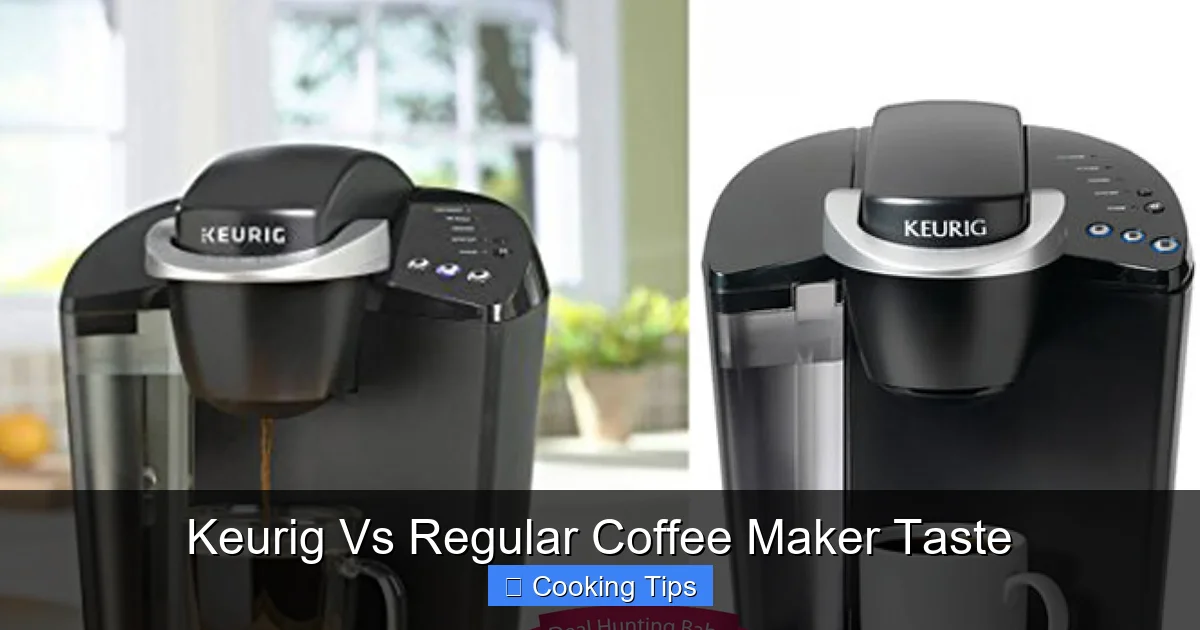
Confused about the taste difference between Keurig and regular coffee makers? This guide breaks down the key factors influencing flavor, from bean quality to brewing technology. Learn how to optimize your setup to achieve your desired coffee taste, whether you prefer the convenience of pods or the nuanced control of a drip machine. Unlock the secrets to a superior coffee experience, regardless of your chosen brewing method.
Keurig Vs Regular Coffee Maker Taste
Ah, coffee. That magical elixir that kickstarts our mornings, fuels our afternoons, and brings a sense of comfort to our lives. But when it comes to brewing that perfect cup, the choices can feel overwhelming. Today, we’re diving deep into a common question: how does a Keurig coffee maker’s taste compare to that of a traditional, regular coffee maker? If you’ve ever wondered why your K-cup brew tastes different from your trusty drip machine, you’re in the right place.
This guide will break down the nuances of brewing with both systems. We’ll explore the factors that contribute to coffee flavor, analyze the distinct brewing processes of Keurig and regular coffee makers, and offer practical tips to help you achieve the best possible taste from each. By the end, you’ll have a clearer understanding of what influences your coffee’s flavor and how to make informed choices for your next cup.
Key Takeaways
- Ground Coffee Quality is Paramount: The freshness and type of coffee grounds used are the biggest determinants of taste, regardless of the brewing machine.
- Brewing Temperature Matters: Both Keurig and regular machines aim for optimal brewing temperatures, but slight variations can affect extraction and flavor.
- Water Quality Impacts Flavor: Filtered water is crucial for both brewing methods, as impurities can introduce off-flavors.
- Keurig’s Convenience vs. Regular’s Control: Keurig offers speed and variety with pods, but sacrifices some control over brewing variables compared to a regular maker.
- Extraction Differences: The way water interacts with grounds differs. Keurig’s rapid infusion can sometimes lead to a less complex flavor profile than a longer drip brew.
- Maintenance is Key for Optimal Taste: Regular cleaning and descaling are essential for both types of machines to prevent stale flavors.
Understanding the Fundamentals of Coffee Taste
Before we pit Keurig against regular coffee makers, let’s quickly touch upon what makes coffee taste the way it does. Several elements play a crucial role:
- Coffee Beans: The origin, varietal, roast level, and freshness of your coffee beans are the foundational elements of taste.
- Grind Size: The fineness or coarseness of your coffee grounds directly impacts how well water extracts flavor.
- Water: Coffee is, after all, mostly water. The quality of your water (its mineral content and absence of impurities) is a silent hero (or villain) of your brew.
- Water Temperature: The ideal brewing temperature for coffee is generally between 195°F and 205°F (90°C and 96°C). This range allows for optimal extraction of flavor compounds.
- Brew Time (Contact Time): How long the water is in contact with the coffee grounds influences the intensity and complexity of the flavor.
- Extraction: This is the process where water dissolves soluble compounds from the coffee grounds, creating the flavor we enjoy. Under-extraction can lead to a sour, weak taste, while over-extraction results in a bitter, harsh flavor.
Keurig: Convenience Meets Pods
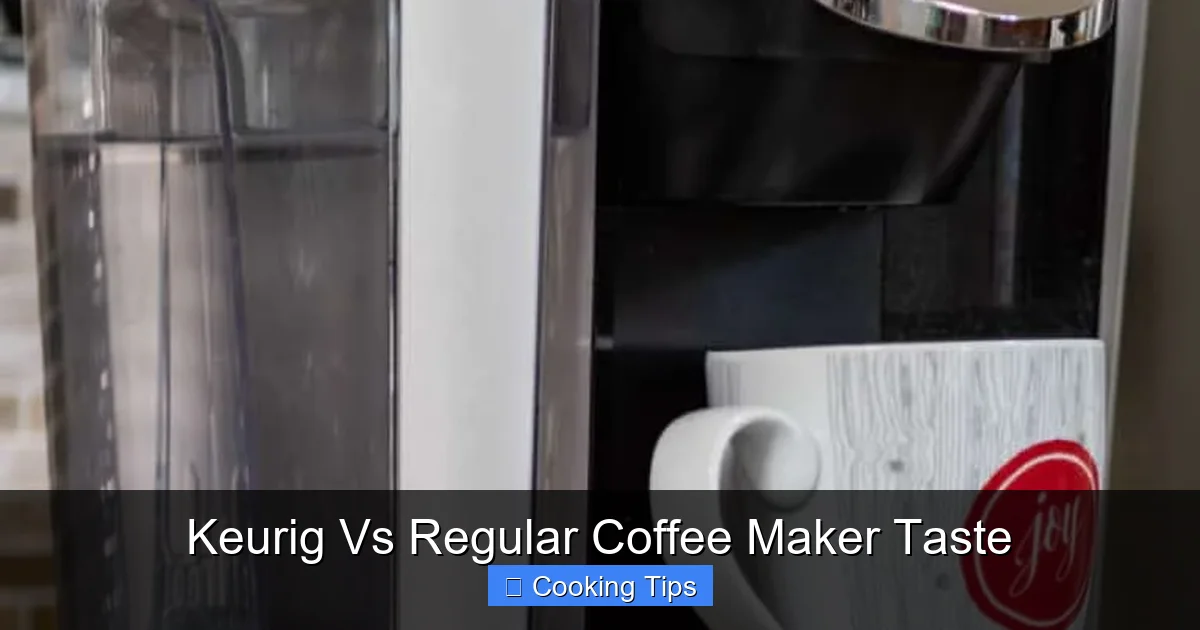
The Keurig system revolutionized home coffee brewing with its single-serve convenience. Instead of scooping grounds, you pop in a pre-portioned K-cup pod and press a button. But how does this translate to taste?
Visual guide about Keurig Vs Regular Coffee Maker Taste
Image source: luckybelly.com
The Keurig Brewing Process
Here’s a simplified look at how a Keurig machine brews coffee:
- Water Heating: The machine heats water to a specific temperature.
- Puncturing the Pod: A needle pierces the top and bottom of the K-cup pod.
- Rapid Infusion: Hot water is forced through the grounds at high pressure.
- Brewing: The brewed coffee then drips into your mug.
Taste Characteristics of Keurig Coffee
Keurig coffee often exhibits certain taste profiles:
- Consistency: Due to the pre-measured grounds and standardized brewing, each cup from the same K-cup will taste remarkably similar. This is a huge plus for many.
- Cleanliness: The pod system contains the grounds, preventing sediment from entering your cup, which contributes to a cleaner mouthfeel.
- Potentially Less Complex: The rapid infusion method, while quick, can sometimes result in a less nuanced flavor profile compared to slower brewing methods. The quick contact time might not extract the full spectrum of flavors from the coffee.
- Impact of Pod Quality: The taste of Keurig coffee is heavily reliant on the quality of the coffee within the K-cup. Some brands offer premium options with excellent beans, while others might use lower-quality grounds.
- Temperature Variations: While Keurigs are designed to reach optimal temperatures, some users report slight variations, which can subtly affect extraction.
Tips for Better Keurig Taste
You can elevate your Keurig coffee experience with these tips:
- Use Filtered Water: Always fill your Keurig with filtered or bottled water. Tap water can contain minerals and chemicals that negatively impact taste.
- Choose High-Quality K-Cups: Experiment with different brands and roast levels. Look for K-cups that specify the origin or blend of beans for a more gourmet experience.
- Consider Reusable K-Cups: For the eco-conscious and flavor-focused, reusable K-cups allow you to use your own freshly ground coffee. This offers a significant improvement in taste as you control the bean quality and grind.
- Descale Regularly: Mineral buildup can affect water temperature and flow, impacting flavor. Follow your Keurig’s descaling instructions religiously.
- Rinse the Reservoir: Even with filtered water, it’s good practice to rinse the water reservoir periodically to prevent any stagnant water taste.
- Select the Right Brew Size: If your Keurig offers multiple brew sizes, experiment to find what works best for the specific K-cup. A smaller brew size can concentrate flavor, while a larger one might dilute it.
Regular Coffee Makers: Control and Tradition
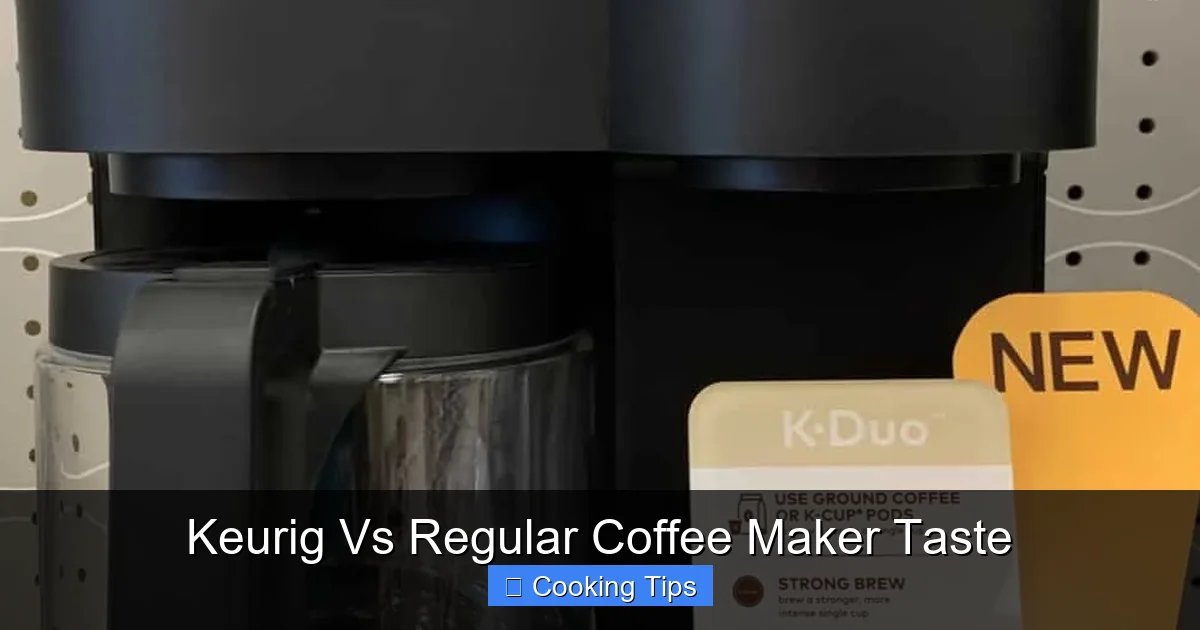
Regular coffee makers, most commonly drip coffee machines, have been the workhorse of kitchens for decades. They offer more manual control over the brewing process, which can lead to a more customized and potentially richer flavor.
Visual guide about Keurig Vs Regular Coffee Maker Taste
Image source: luckybelly.com
The Regular Coffee Maker Brewing Process
The standard drip coffee maker process is as follows:
- Water Heating: Water in the reservoir is heated.
- Water Delivery: Hot water is then showered over coffee grounds in a filter basket.
- Gravity Drip: Gravity pulls the brewed coffee through the filter and into the carafe below.
Taste Characteristics of Regular Coffee Maker Coffee
The taste profile of coffee brewed in a regular drip machine often includes:
- Greater Flavor Complexity: The slower, more controlled flow of water over the grounds allows for a more thorough extraction of a wider range of flavor compounds, potentially resulting in a more nuanced and full-bodied cup.
- Customization Potential: You have complete control over the amount of coffee, grind size, and even the bloom phase (if you’re feeling fancy with pour-over style drip machines).
- Freshness is Key: The quality of the coffee grounds you use is paramount. Freshly ground beans will yield a vastly superior taste compared to pre-ground coffee that has been sitting on the shelf.
- Potential for Sediment: Depending on the filter quality, some fine sediment can make its way into the carafe, affecting mouthfeel for some.
- Consistent Temperature is Crucial: While most machines aim for the ideal range, cheaper models can sometimes struggle with consistent water temperature, leading to inconsistent extraction.
Tips for Better Regular Coffee Maker Taste
Maximize the flavor from your drip coffee maker with these techniques:
- Invest in a Quality Grinder: A burr grinder is a game-changer. It grinds beans consistently, which is vital for even extraction. Grind your beans right before brewing for maximum freshness.
- Use Fresh, High-Quality Beans: This cannot be stressed enough. Buy whole beans from a reputable roaster and store them in an airtight container away from light and heat.
- Experiment with Grind Size: The ideal grind for a drip coffee maker is medium. If your coffee tastes weak, try a slightly finer grind. If it’s bitter, try a slightly coarser grind.
- Use Filtered Water: Just like with Keurig, filtered water makes a world of difference.
- Clean Your Machine Regularly: Coffee oils can build up and turn rancid, imparting a stale taste. Clean the carafe, brew basket, and run a descaling cycle as recommended by the manufacturer.
- Control the Bloom (Optional but Recommended): For a more advanced approach, let the grounds “bloom” for about 30 seconds after adding a small amount of hot water before continuing the brew. This releases CO2 and can improve flavor.
- Pre-heat Your Carafe: Pouring hot water into your carafe and then discarding it before brewing can help keep your coffee hotter for longer without affecting taste.
Keurig vs. Regular: Direct Taste Comparison
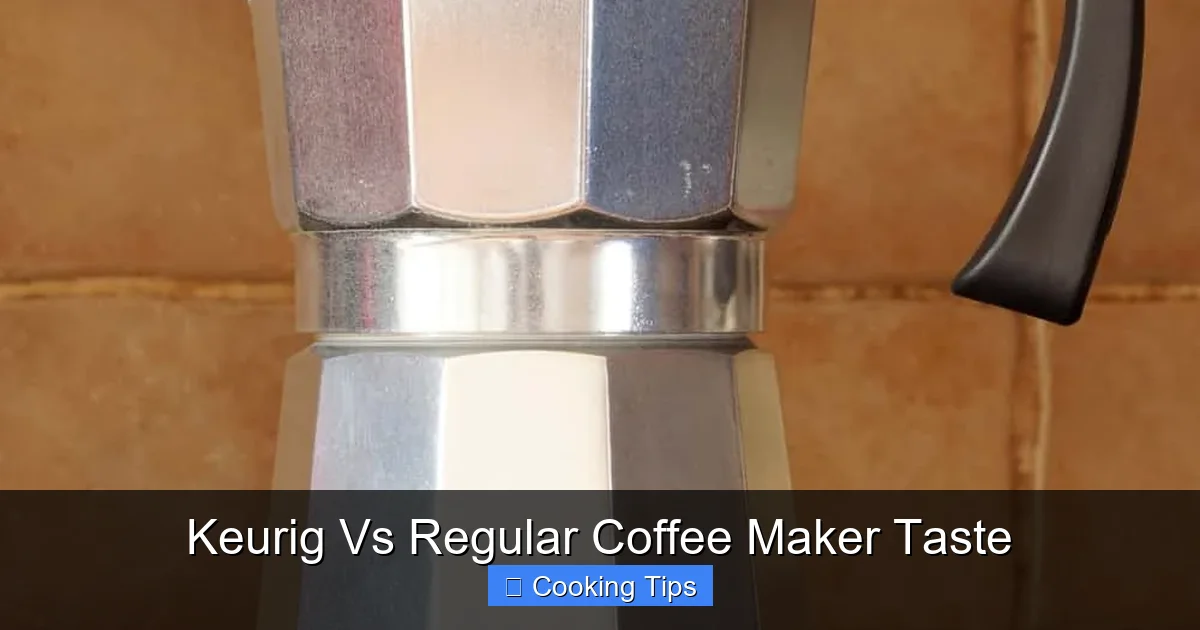
So, which tastes better? It’s not a simple “one is better than the other” answer. It’s about what you prioritize and how you brew.
Visual guide about Keurig Vs Regular Coffee Maker Taste
Image source: luckybelly.com
Key Differentiating Factors
- Extraction Method: Keurig’s pressurized, rapid infusion is designed for speed. Regular drip machines use gravity and a slower infusion, allowing for potentially deeper flavor extraction.
- Control: Regular makers offer more user control over variables like grind size and coffee-to-water ratio. Keurig’s control is limited to brew size and strength settings (if available).
- Freshness: While both systems benefit from fresh beans, a regular maker allows you to grind fresh beans just before brewing, a significant advantage for taste. Keurig pods are sealed, but the coffee inside may not be as freshly roasted or ground as what you’d prepare yourself.
- Variety vs. Nuance: Keurig excels at offering a vast array of coffee flavors and types instantly. Regular makers, when used with quality beans and proper technique, can unlock a more nuanced and sophisticated taste profile of those beans.
When Does Keurig Shine?
Keurig shines when:
- Speed and Convenience are Top Priorities: You need a quick cup without much fuss.
- Variety is Desired: You want to easily switch between different coffee types, teas, or hot chocolates throughout the day.
- Single Servings are Essential: You’re brewing for one and don’t want to make a whole pot.
- Consistency is Valued: You appreciate knowing exactly what to expect from your coffee every time.
When Does a Regular Coffee Maker Shine?
A regular coffee maker shines when:
- Flavor Depth and Complexity are Paramount: You’re a coffee aficionado who appreciates subtle notes and a rich mouthfeel.
- Control Over the Brewing Process is Important: You enjoy tinkering with grind size, ratios, and extraction.
- Budget-Conscious Brewing: Using your own beans and grounds is generally more cost-effective than buying K-cups long-term.
- Brewing for Multiple People: Making a full pot is efficient.
Troubleshooting Common Taste Issues
No matter which machine you use, you might encounter taste problems. Here’s how to troubleshoot:
Bitter Coffee
- Keurig: Your K-cup might be too dark a roast, or the machine needs descaling. Try a lighter roast K-cup or descale the machine. Ensure you’re not using the smallest brew size for a very dark roast.
- Regular: Coffee is likely over-extracted. Try a coarser grind, use less coffee, or reduce brew time. Ensure your water temperature isn’t too high. Clean your machine thoroughly.
Sour or Weak Coffee
- Keurig: Your K-cup might be too light a roast, or the machine is not reaching the optimal temperature. Try a darker roast K-cup or descale the machine. Ensure you are using the appropriate brew size.
- Regular: Coffee is likely under-extracted. Try a finer grind, use more coffee, or increase brew time. Ensure your water temperature is within the ideal range.
Stale or Off-Flavors
- Keurig: The K-cup might be past its prime, or the machine needs cleaning/descaling. Check the expiration date on K-cups and descale your Keurig.
- Regular: This is almost always due to a dirty machine or stale coffee grounds. Clean your coffee maker thoroughly and use freshly ground, good-quality beans.
Conclusion: Your Perfect Cup Awaits
The debate of Keurig vs. regular coffee maker taste boils down to priorities. Keurig offers unparalleled convenience and variety, perfect for busy individuals who still want a decent cup of coffee. Regular coffee makers, with a bit more effort and attention to detail, provide the potential for a more nuanced, customizable, and arguably superior tasting cup of coffee for those who savor the brewing process and the final flavor.
Ultimately, the best way to determine your preference is to experiment. Try different high-quality K-cups. If you have a regular coffee maker, invest in a good grinder and fresh beans. Pay attention to your water quality and machine cleanliness. Whichever path you choose, by understanding the fundamentals of coffee brewing and applying these tips, you can significantly enhance the taste of your daily brew. Happy brewing!
