

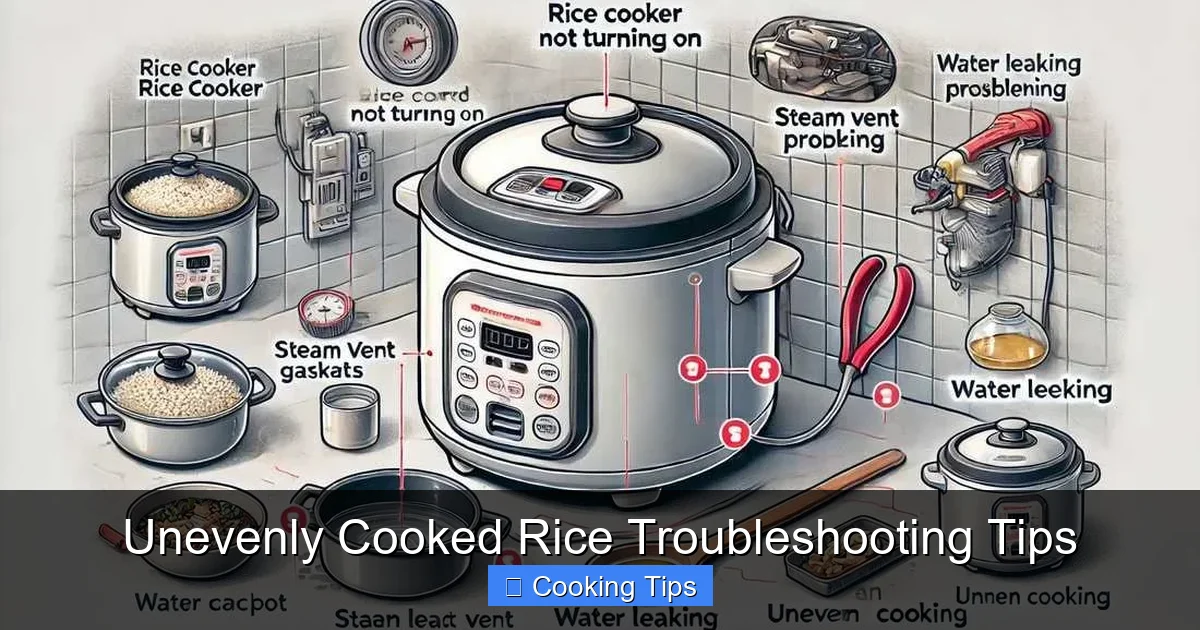
Tired of rice that’s both crunchy and mushy? This guide dives into the common reasons for unevenly cooked rice and offers practical solutions. We’ll cover everything from the correct water-to-rice ratio to pot selection and cooking techniques, ensuring you achieve perfectly fluffy rice with every attempt. Get ready to master your rice cooker and stovetop!
Key Takeaways
- The Right Ratio is Crucial: Too little water leads to dry, undercooked rice, while too much results in a mushy mess. Always follow package instructions or a reliable recipe for your specific rice type.
- Pot Power Matters: A heavy-bottomed, tight-fitting lid pot is ideal for even heat distribution on the stovetop, preventing hot spots and scorching.
- Rinsing is Your Friend: Rinsing excess starch from most white rice varieties helps prevent clumping and promotes fluffier grains.
- Let it Rest: After cooking, allowing rice to steam and rest undisturbed for 5-10 minutes is essential for even moisture distribution and a perfect texture.
- Gentle Stirring is Key: Avoid over-stirring during cooking, as this can break down the grains and lead to a gummy texture.
- Heat Control is King: High heat can scorch the bottom while leaving the top undercooked. A gentle simmer is your goal for most rice types.
Unevenly Cooked Rice Troubleshooting Tips
There’s nothing quite as frustrating as digging into a pot of rice only to find a disappointing mix of crunchy, undercooked grains alongside a mushy, overcooked layer. It’s a common culinary conundrum that can turn a simple side dish into a kitchen disaster. But don’t despair! Achieving perfectly fluffy, evenly cooked rice is well within your reach. This guide will walk you through the common culprits behind unevenly cooked rice and provide you with practical, easy-to-implement solutions. Get ready to say goodbye to rice woes and hello to consistently delicious, perfectly cooked rice every single time.
We’ll cover everything from understanding the science behind rice cooking to mastering the art of water ratios, pot selection, and cooking techniques. Whether you’re a seasoned cook or just starting, these tips will elevate your rice game.
Understanding the Basics of Rice Cooking
Before we dive into troubleshooting, it’s helpful to understand what’s happening when you cook rice. Rice is essentially a grain that absorbs water and expands as it cooks. The starches within the rice gelatinize (swell and soften) as they absorb heat and moisture, transforming hard kernels into tender grains. Uneven cooking happens when some grains get enough heat and moisture to cook properly, while others don’t, or conversely, get too much and turn to mush. The goal is to create a uniform environment where every grain cooks evenly.
Visual guide about Unevenly Cooked Rice Troubleshooting Tips
Image source: d1c8xu194km6ge.cloudfront.net
Common Causes of Unevenly Cooked Rice and How to Fix Them
Let’s break down the most frequent reasons your rice might be cooking unevenly and what you can do to rectify the situation.
Visual guide about Unevenly Cooked Rice Troubleshooting Tips
Image source: umamidays.com
1. Incorrect Water-to-Rice Ratio
This is, by far, the most common reason for unevenly cooked rice. Getting the ratio just right is paramount. Too little water means the rice won’t have enough moisture to absorb, leading to dry, hard, and undercooked grains. Too much water can result in mushy, waterlogged rice, especially on the bottom layer.
Visual guide about Unevenly Cooked Rice Troubleshooting Tips
Image source: umamidays.com
Why the Ratio Matters
Each type of rice has a specific water absorption rate. Long-grain white rice, for example, typically requires a different amount of water than short-grain brown rice. The starch content also plays a role. A balanced ratio ensures that all the water is absorbed by the time the rice is cooked, leaving you with tender, separate grains.
Troubleshooting Tips for Water Ratio:
- Read the Package: The most reliable starting point is the instructions on your rice packaging. Manufacturers usually provide a recommended water-to-rice ratio for their specific product.
- The Two-to-One Rule (with caveats): For standard white, long-grain rice, a 2 cups of water to 1 cup of rice ratio is often a good starting point. However, this is not universal. Always check your rice package first.
- Adjust for Rice Type:
- Brown Rice: Generally requires more water and a longer cooking time. A ratio of 2.5 cups of water to 1 cup of brown rice is common.
- Basmati/Jasmine Rice: These fragrant long-grain varieties often do well with a 1.5:1 or 1.75:1 water-to-rice ratio.
- Arborio/Risotto Rice: This rice requires a much higher liquid ratio throughout the cooking process, but that’s a different technique than standard steaming.
- Short-Grain Rice: Might need slightly less water than long-grain, around 1.5:1.
- Factor in Absorption: If you’re using older rice, it might have dried out more and could benefit from a tiny bit more water. Conversely, very fresh rice might absorb slightly less.
- Rinse First: If you rinse your rice (which we’ll discuss later), it might absorb slightly less water during cooking.
- Measure Accurately: Use consistent measuring cups for both rice and water. Don’t eyeball it!
2. Inadequate Heat Distribution (Pot and Stove Issues)
Uneven heat is a major culprit for scorching on the bottom and undercooking on the top. This often stems from the type of pot you’re using or how your stove distributes heat.
Why Pot and Stove Matter
A thin-bottomed pot on a high-heat burner can create intense hot spots. The bottom layer of rice is subjected to direct, fierce heat, leading to burning and mushiness, while the upper layers remain untouched and raw. A pot with poor heat conductivity will amplify these issues.
Troubleshooting Tips for Heat Distribution:
- Choose the Right Pot:
- Heavy-Bottomed Pots: These are your best friends. A thick, heavy base distributes heat evenly, minimizing hot spots and preventing scorching. Stainless steel, cast iron (enameled), or copper-bottomed pots are excellent choices.
- Tight-Fitting Lid: A lid that seals well traps steam effectively, allowing the rice to cook evenly and preventing moisture from escaping too quickly.
- Stovetop Considerations:
- Understand Your Burners: Electric coil burners can sometimes create uneven heat. Gas burners offer more direct flame control. Induction cooktops heat the pot directly and can be very precise.
- Use a Heat Diffuser: If you have a notoriously hot burner or a thinner pot, a heat diffuser (a flat metal plate placed between the burner and the pot) can help distribute the heat more evenly.
- Avoid Overcrowding the Pot: Don’t fill the pot too full. Rice needs space to expand and cook evenly. Aim to fill it no more than halfway to two-thirds full.
- Stove Settings: Experiment with your stove. What feels “medium” on one stove might be “high” on another. Always start with a lower heat setting than you think you need.
3. Incorrect Cooking Technique and Handling
Even with the right ingredients and equipment, improper cooking techniques can lead to unevenly cooked rice.
Why Technique Matters
The way you handle the rice during and after cooking significantly impacts its texture. Opening the lid too often, stirring aggressively, or not allowing it to rest can all disrupt the cooking process and lead to inconsistent results.
Troubleshooting Tips for Cooking Technique:
- The “Wash and Cook” Method:
- Rinsing Rice: For most white rice varieties (like long-grain, basmati, jasmine), rinsing the rice under cold running water until the water runs clear is highly recommended. This removes excess surface starch that can make rice gummy and clumpy. Brown rice usually doesn’t need rinsing, as its bran layer protects it from becoming overly sticky.
- Soaking Rice (Optional): Some cooks advocate for soaking rice (especially basmati or jasmine) for 20-30 minutes before cooking. This can help the grains absorb water more evenly and cook faster, often resulting in a more tender texture. Drain the rice thoroughly after soaking.
- The Cooking Process:
- Bring to a Boil: Add your rinsed rice and water to the pot, bring it to a rolling boil over medium-high heat.
- Reduce Heat and Cover: Once boiling, immediately reduce the heat to the lowest possible setting, cover the pot with a tight-fitting lid, and simmer. Resist the urge to lift the lid! Every time you lift it, you release steam, which is crucial for even cooking.
- Simmer Time: Cook according to your rice type’s instructions (typically 15-20 minutes for white rice, 40-50 minutes for brown rice).
- The Crucial Resting Period:
- Off the Heat: Once the cooking time is up, remove the pot from the heat, but leave the lid on. Let the rice rest undisturbed for 5-10 minutes. This “steaming” or “resting” period is vital. It allows the residual steam to finish cooking any slightly firm grains and for the moisture to distribute evenly throughout the pot.
- Fluffing the Rice:
- Gentle Fluffing: After resting, remove the lid and gently fluff the rice with a fork or a rice paddle. Start from the edges and gently lift and separate the grains. Avoid vigorous stirring, which can break the rice kernels and make them mushy.
4. Rice Cooker Quirks
Rice cookers are designed for convenience, but they aren’t always foolproof. Sometimes, even a rice cooker can produce unevenly cooked rice.
Why Rice Cookers Can Be Uneven
Issues can arise from a faulty heating element, a damaged inner pot, incorrect water levels, or using the wrong settings for your rice type.
Troubleshooting Tips for Rice Cookers:
- Check the Inner Pot: Ensure the inner pot is clean and free of any residue. Scratches or dents can affect heat distribution.
- Water Level is Key: Always use the markings inside the rice cooker pot or follow the manufacturer’s guidelines precisely for the amount of water. Don’t overfill.
- Rice Type Settings: Many modern rice cookers have specific settings for different types of rice (white, brown, sushi, etc.). Use the appropriate setting. If your cooker doesn’t have specific settings, use the standard “white rice” setting for most varieties and adjust water accordingly.
- Clean the Steam Vent: A clogged steam vent can prevent proper pressure release and even cooking.
- Pre-Rinse Your Rice: Even with a rice cooker, rinsing your rice first can still lead to better results.
- The Resting Period Still Applies: Once the rice cooker signals it’s done, let the rice rest for 5-10 minutes with the lid closed before fluffing.
- Consider a Higher-Quality Cooker: If you consistently have issues, an older or basic rice cooker might be the limitation. Investing in a multi-functional rice cooker with advanced heating technology can make a significant difference.
5. Old or Stale Rice
While not as common, the age and storage of your rice can sometimes play a role. Older rice might have dried out more significantly.
Why Age Matters
Rice, particularly white rice, can lose moisture over time, especially if not stored properly in an airtight container. This means it may require slightly more water or a slightly longer cooking time to achieve proper hydration.
Troubleshooting Tips for Old Rice:
- A Little Extra Water: If you suspect your rice is older, try adding an extra tablespoon or two of water per cup of rice.
- Slightly Longer Simmer: You might need to let it simmer for an extra couple of minutes, but be careful not to overdo it.
- Airtight Storage: Always store rice in airtight containers to prevent it from drying out.
Putting It All Together: Your Path to Perfect Rice
Achieving evenly cooked rice is a skill that improves with practice and attention to detail. By understanding the fundamental principles and troubleshooting common issues, you’re well on your way to rice perfection. Remember these key points:
- Master the Ratio: Always start with the recommended water-to-rice ratio for your specific type of rice.
- Choose Your Pot Wisely: A heavy-bottomed pot with a tight-fitting lid is essential for stovetop cooking.
- Rinse for Fluffiness: Rinsing excess starch from white rice helps prevent clumping.
- Low and Slow is Key: Once boiling, reduce heat to a simmer and never lift the lid until the resting period.
- Embrace the Rest: The post-cooking resting period is non-negotiable for even moisture distribution.
- Fluff Gently: Use a fork to separate grains after resting.
Don’t get discouraged if your first few attempts aren’t flawless. Cooking is a journey, and even experienced chefs have the occasional rice mishap! With these troubleshooting tips, you’re equipped to tackle any unevenly cooked rice situation and consistently produce delicious, fluffy rice that will impress your taste buds and your guests.
