

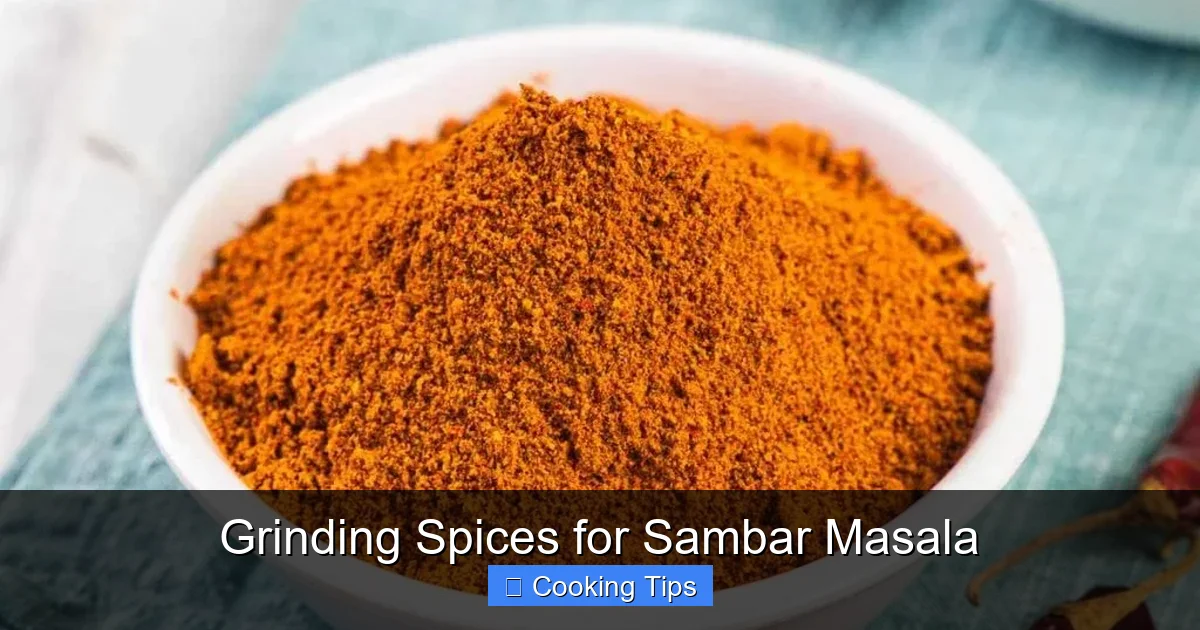
Mastering the art of grinding spices for sambar masala at home unlocks a depth of flavor unmatched by store-bought versions. This guide provides a comprehensive, step-by-step process, from selecting quality whole spices to achieving the perfect consistency for your aromatic sambar powder. Elevate your sambar with this essential cooking tip.
Welcome to the wonderful world of homemade sambar masala! If you’ve ever enjoyed a rich, flavorful bowl of sambar at a South Indian restaurant or a friend’s home, you’ve experienced the magic of freshly ground spices. Store-bought sambar powders are convenient, but they simply can’t compete with the vibrant aroma and complex taste that comes from grinding your own.
In this comprehensive guide, we’ll walk you through every step of the process. You’ll learn how to select the best whole spices, how to toast them to perfection, and the best techniques for grinding them to achieve that ideal sambar masala consistency. By the end, you’ll be able to create your own signature sambar masala that will transform your sambar from ordinary to extraordinary. Get ready to impress your taste buds and your guests!
- Start with Fresh, High-Quality Whole Spices: The foundation of excellent sambar masala lies in using the freshest whole spices available, ensuring maximum aroma and flavor.
- Understand the Role of Each Spice: Each spice in the sambar masala blend contributes a unique characteristic, from the warmth of coriander to the pungency of fenugreek.
- Toast Spices Gently to Release Aromatics: Lightly toasting whole spices before grinding intensifies their fragrance and aids in a smoother, more even grind.
- Grind in Batches for Optimal Texture: Grinding spices in small batches prevents overheating and allows for better control over the final consistency of your sambar masala.
- Cool Spices Completely Before Grinding: Allowing toasted spices to cool ensures they don’t turn into a paste when ground, leading to a powdery texture.
- Store Sambar Masala Properly for Freshness: Airtight containers in a cool, dark place are crucial for preserving the potent aroma and flavor of your homemade sambar masala.
- Adjust Ratios to Personal Preference: Don’t be afraid to experiment with the spice proportions to tailor the sambar masala to your family’s taste.
Why Grind Your Own Sambar Masala?
Before we dive into the “how,” let’s talk about the “why.” There are several compelling reasons to make your own sambar masala:
- Unbeatable Freshness and Aroma: This is the biggest reason. Whole spices, when ground, release their essential oils. The longer they sit on a shelf after grinding, the more these oils dissipate. Freshly ground spices deliver an explosion of aroma and flavor that is simply unmatched.
- Control Over Ingredients: When you grind your own, you know exactly what’s going into your spice mix. You can ensure you’re using high-quality, unadulterated spices.
- Customization: Every household has its own subtle variations of sambar. Grinding your own allows you to adjust the spice levels and ratios to perfectly suit your family’s palate. Do you prefer a spicier sambar? More coriander? The power is in your hands!
- Cost-Effective: While the initial investment in whole spices might seem higher, in the long run, grinding your own can be more economical, especially if you buy spices in bulk.
- A Rewarding Culinary Experience: There’s a certain satisfaction that comes from creating something delicious from scratch. The aroma filling your kitchen as you toast and grind spices is a true culinary delight.
The Essential Spices for Sambar Masala
The beauty of sambar masala lies in its harmonious blend of spices. While specific recipes can vary, here are the core ingredients you’ll typically find:
- Coriander Seeds (Dhaniya): This forms the base of the masala, providing a warm, citrusy, and slightly nutty flavor. It also acts as a thickening agent.
- Cumin Seeds (Jeera): Adds a pungent, earthy, and slightly bitter note that balances the other spices.
- Chana Dal (Split Bengal Gram): When toasted, chana dal adds a subtle nutty flavor and contributes to the thickening of the sambar. It also gives the masala a slightly grainy texture.
- Urad Dal (Split Black Gram): Similar to chana dal, urad dal adds a unique depth of flavor and a creamy texture when ground.
- Red Chillies (Dry Whole Chillies): These provide the heat. You can use a mix of mild and hot varieties to achieve your desired level of spiciness.
- Fenugreek Seeds (Methi Dana): Use these sparingly! Fenugreek seeds have a strong, slightly bitter, and distinctive aroma that is crucial to the authentic sambar flavor. Too much can make the sambar unpleasantly bitter.
- Turmeric Powder (Haldi): While often added directly to the sambar, a small amount of turmeric powder can also be part of the dry masala mix, contributing to the color and health benefits.
- Asafoetida (Hing): A small pinch of hing is often added during the toasting process or to the final ground masala. It adds a pungent, savory, umami flavor that is characteristic of South Indian cooking.
- Optional Spices: Some recipes might include a touch of black peppercorns for extra warmth, mustard seeds for a subtle pungency, or even a few curry leaves (though curry leaves are often added fresh to the tempering).
Step-by-Step Guide to Grinding Sambar Masala
Now, let’s get to the practical part! Follow these steps carefully to create your perfect batch of sambar masala.
Step 1: Gather Your Ingredients and Equipment
Before you begin, ensure you have all your whole spices and the necessary equipment ready.
Ingredients:
- 1 cup Coriander Seeds
- 1/4 cup Cumin Seeds
- 2-3 tablespoons Chana Dal
- 1-2 tablespoons Urad Dal
- 8-12 Dry Red Chillies (adjust to your spice preference, use a mix of mild and hot if desired)
- 1 teaspoon Fenugreek Seeds
- 1/4 teaspoon Turmeric Powder (optional, if adding to the ground masala)
- A pinch of Asafoetida (Hing)
*Note: These are approximate ratios. Feel free to adjust them based on your personal taste. It’s always a good idea to start with a smaller batch to experiment.*
Equipment:
- Heavy-bottomed pan or skillet
- Spice grinder or clean coffee grinder
- Measuring cups and spoons
- Spatula
- Airtight container for storage
Step 2: Toast the Spices
Toasting is a crucial step that unlocks the full flavor potential of your spices. It also helps them grind more easily.
Low Heat is Key:
Place a heavy-bottomed pan or skillet over low to medium-low heat. It’s important to use low heat to prevent burning the spices, which can turn them bitter.

Visual guide about Grinding Spices for Sambar Masala
Image source: bombayspices.ca
Visual guide about Grinding Spices for Sambar Masala
Image source: cibaspices.com
Visual guide about Grinding Spices for Sambar Masala
Image source: hindustanspices.in
Toast in Batches:
Don’t overcrowd the pan. Toast the spices in small batches, especially if you have a lot to grind. This ensures even toasting and prevents them from steaming rather than roasting.
Add Spices Sequentially (Optional but Recommended):
Some cooks prefer to toast harder spices first, then add softer ones. This ensures everything reaches its peak aroma around the same time.
- Start with the Dals: Add the chana dal and urad dal to the dry pan. Stir them constantly with a spatula for 2-3 minutes until they turn a light golden brown and emit a nutty aroma.
- Add Coriander and Cumin Seeds: Now, add the coriander and cumin seeds to the pan. Continue to stir for another 2-3 minutes until they become fragrant. You might notice them lightly popping.
- Add Red Chillies and Fenugreek Seeds: Add the dry red chillies and fenugreek seeds. Stir continuously for about 1-2 minutes. Be careful not to burn the fenugreek seeds, as they can quickly become bitter. The chillies should become slightly crisp.
- Add Asafoetida (Optional Here): If you are adding asafoetida now, add a pinch and stir for a few seconds until fragrant.
Monitor for Aroma:
The goal is to toast the spices until they are fragrant and slightly roasted, not burnt. You’ll smell a wonderful, nutty, and warm aroma filling your kitchen. The colors will deepen slightly.
Step 3: Cool the Spices Completely
This is a critical step that many home cooks overlook. If you grind warm spices, they can turn into a paste rather than a powder.
Spread Them Out:
Immediately after toasting, carefully transfer the toasted spices from the pan onto a clean plate or a wide tray. Spread them out in a single layer. This helps them cool down quickly and evenly.
Patience is a Virtue:
Allow the spices to cool completely to room temperature. This can take anywhere from 20 minutes to an hour, depending on how warm your kitchen is and how large your batch is. Resist the urge to grind them while they are still warm!
Step 4: Grind the Spices
Now for the moment of truth – turning those fragrant, toasted spices into a beautiful powder.
Using a Spice Grinder/Coffee Grinder:
This is the most common and efficient method for home cooks.
- Work in Small Batches: Do not fill your grinder to the brim. Grind the spices in small batches to prevent overheating of the grinder’s motor and to ensure a finer, more consistent powder.
- Pulse and Grind: Add a portion of the cooled spices to the grinder. Start by pulsing a few times to break them down. Then, grind continuously for 30-60 seconds, or until you achieve your desired consistency. You may need to shake the grinder gently between pulses to ensure all the spices are ground evenly.
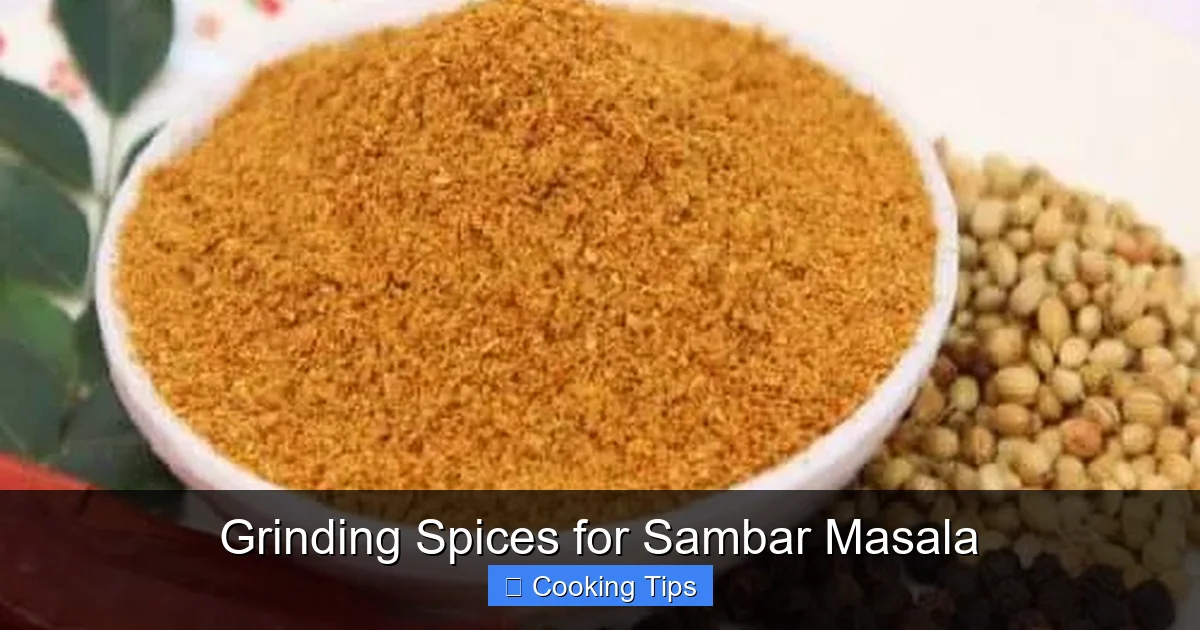
- Check Consistency: The ideal sambar masala powder is usually medium-fine. It shouldn’t be as fine as flour, but it also shouldn’t have large chunks. You want a texture that will dissolve well in the sambar while still retaining some character.
- Add Turmeric Powder (If Using): If you are adding turmeric powder to your ground masala, you can add it in the last few seconds of grinding or mix it in after all the other spices have been ground.
- Add Asafoetida (If Not Toasted): If you prefer to add asafoetida at this stage, add a pinch and give it a final quick grind to incorporate it evenly.
Using a Mortar and Pestle (Traditional Method):
For the truly dedicated, a mortar and pestle can yield incredibly aromatic results, though it requires more effort and time.
- Grind in Stages: Start with the harder spices like coriander and cumin seeds. Grind them first to a coarse powder.
- Add Other Spices: Gradually add the dals and red chillies, grinding them into the existing powder.
- Finish with Fenugreek: Add the fenugreek seeds last, grinding them to a fine powder.
- Achieve Uniformity: Continue grinding and stirring until the entire mixture is as uniform in consistency as possible.
Step 5: Store Your Sambar Masala
Proper storage is key to maintaining the freshness and potency of your homemade sambar masala.
Cool Completely First:
Ensure the ground masala is completely cool before transferring it to its storage container. Any residual warmth can create condensation and lead to spoilage.
Airtight Container is a Must:
Use a clean, dry, airtight container. Glass jars with tight-fitting lids or good quality plastic containers work well.
Cool, Dark Place:
Store the container in a cool, dark place in your pantry, away from direct sunlight and heat. Avoid storing it near the stove where temperature fluctuations are common.
Shelf Life:
Homemade sambar masala, when stored properly, can retain its best flavor and aroma for about 3-6 months. However, for the most vibrant taste, it’s best to use it within 1-2 months.
Tips for Perfect Sambar Masala
* Quality Matters: Always buy whole spices from reputable sources. Freshness is paramount.
* Don’t Rush the Toasting: Low and slow is the motto. Burning spices will ruin the entire batch.
* Listen to Your Senses: The aroma is your best guide during the toasting process.
* Taste and Adjust: After you’ve made your first batch, make a small amount of sambar and taste it. Note what you like and what you might want to change for the next batch. Perhaps a little more coriander for thickness, or fewer chillies for less heat.
* Clean Grinder: Ensure your spice grinder is completely clean and dry before you start. Any residual oil or moisture from previous grinds can affect the flavor.
Troubleshooting Common Issues
* Masala is Bitter: This is almost always due to burning the fenugreek seeds or toasting the spices at too high a heat for too long. Ensure low heat and quick toasting.
* Masala is Too Powdery/Past-like: This happens when you grind the spices while they are still warm. Always cool them completely.
* Lacks Aroma: This indicates old or stale whole spices, or that they were not toasted sufficiently. Start with the freshest possible whole spices and toast them until they are fragrant.
* Uneven Grind: This can happen if you overload the grinder or don’t shake it gently between pulses. Work in small batches and pulse/grind in stages.
Conclusion
Congratulations! You’ve now learned how to create your own fresh, aromatic, and flavorful sambar masala. This skill will elevate your sambar game to new heights, offering a depth of taste that is truly special. The process is simple, rewarding, and the results are absolutely worth it. So, the next time you plan to make sambar, skip the store-bought jar and embrace the joy of grinding your own spices. Your taste buds will thank you! Happy cooking!
