


Too much heat burns food, ruins texture, and creates smoke and safety risks.
I have cooked professionally and at home for years, and I know what happens if heat is too high while cooking. This article explains why excess heat changes taste, texture, safety, and nutrition. Read on for clear, practical steps to spot, prevent, and fix dishes saved by controlling heat.

What happens to food when heat is too high while cooking
When heat is too high while cooking, the outside of food can burn before the inside cooks. High heat drives off moisture fast, so meats get dry and vegetables lose their bright color. High heat also breaks down delicate molecules that give flavor, making food taste bitter or flat. Learning what happens if heat is too high while cooking helps you avoid ruined meals and wasted ingredients.
:max_bytes(150000):strip_icc()/20251223-SEA-HighvsLowPrimeRib-VickyWasik-00-b2bf058c80e74595860dfa9349586048.jpg)
The science: why extreme heat damages food
High heat speeds up chemical reactions in food. Proteins tighten and squeeze out moisture, and sugars burn quickly, causing bitter or charred flavors. Oil and fats can reach their smoke point and form off-flavors and harmful compounds. Knowing what happens if heat is too high while cooking makes it easier to pick the right temperature for each ingredient.
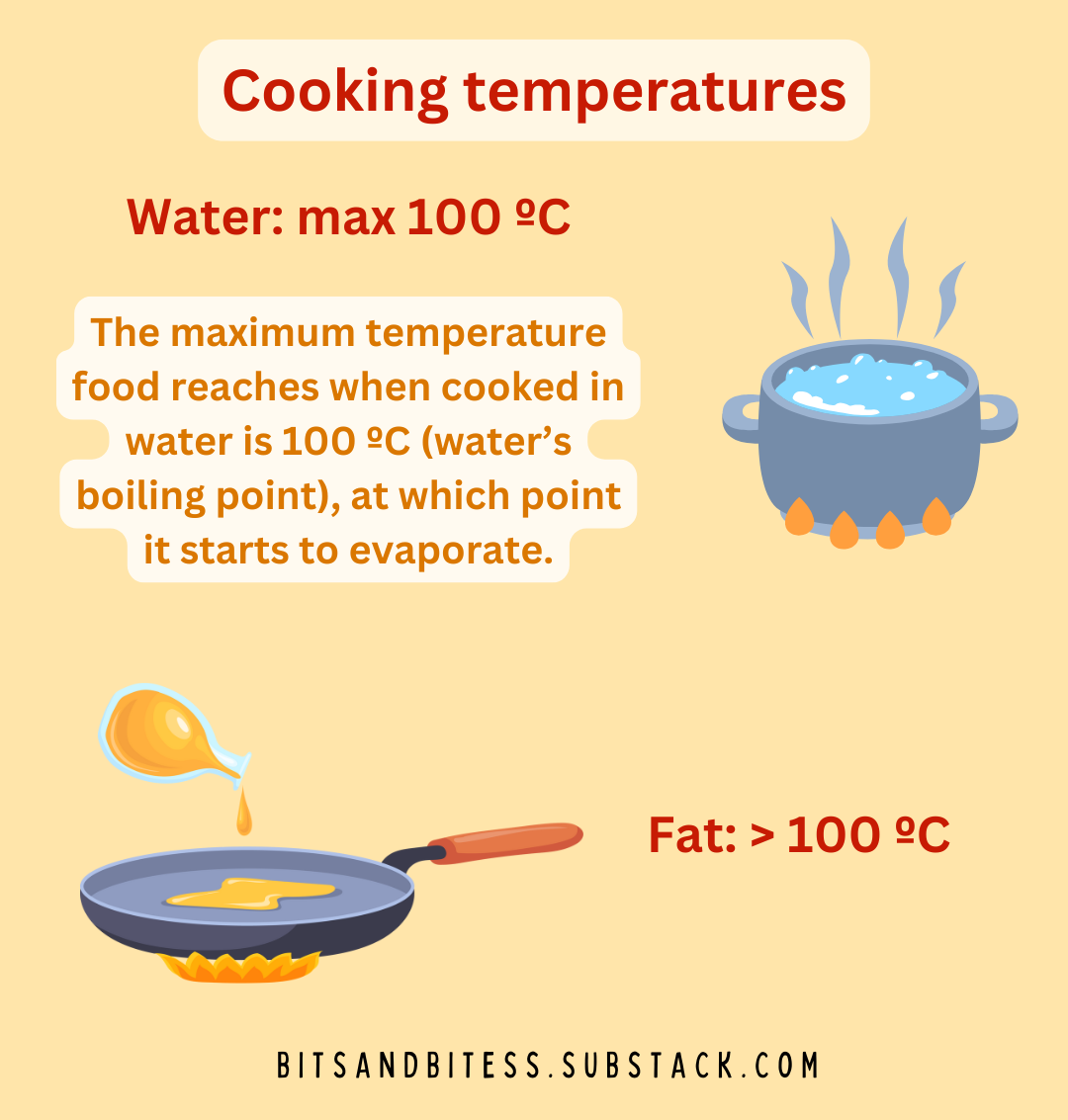
Common problems you will see
Overcooked exterior, undercooked interior is a common result when heat is too high while cooking. Foods can become dry, tough, or rubbery as moisture leaves fast. Sauces can separate and oils can smoke, leaving a burnt taste. Spotting these signs early helps you rescue a dish before it is completely lost.
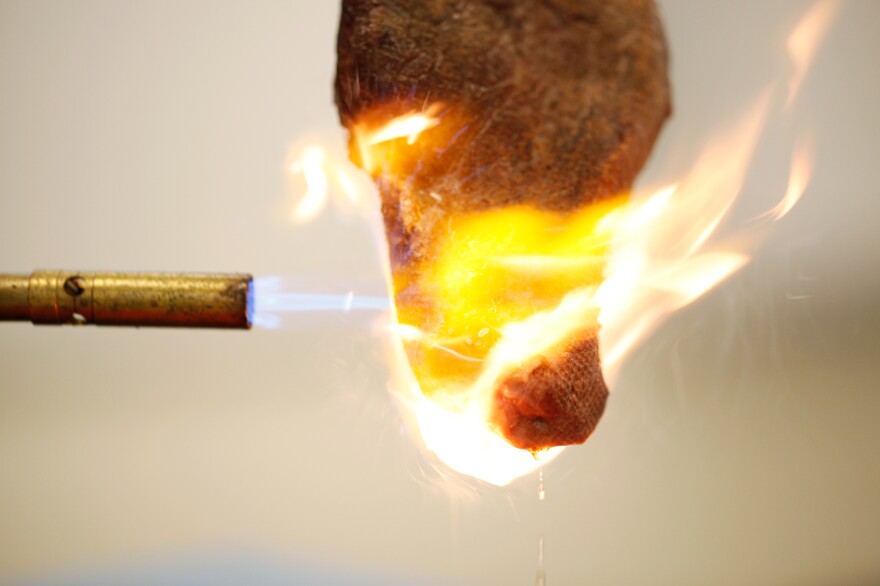
Health and safety risks of cooking at overly high heat
Smoke and char can create harmful compounds that are linked to health risks over time. Hot oil splatters more and can start kitchen fires if heat is uncontrolled. High heat can also release toxic fumes from nonstick pans that are overheated. If you worry about what happens if heat is too high while cooking, think safety first: ventilation and correct pan choice matter.
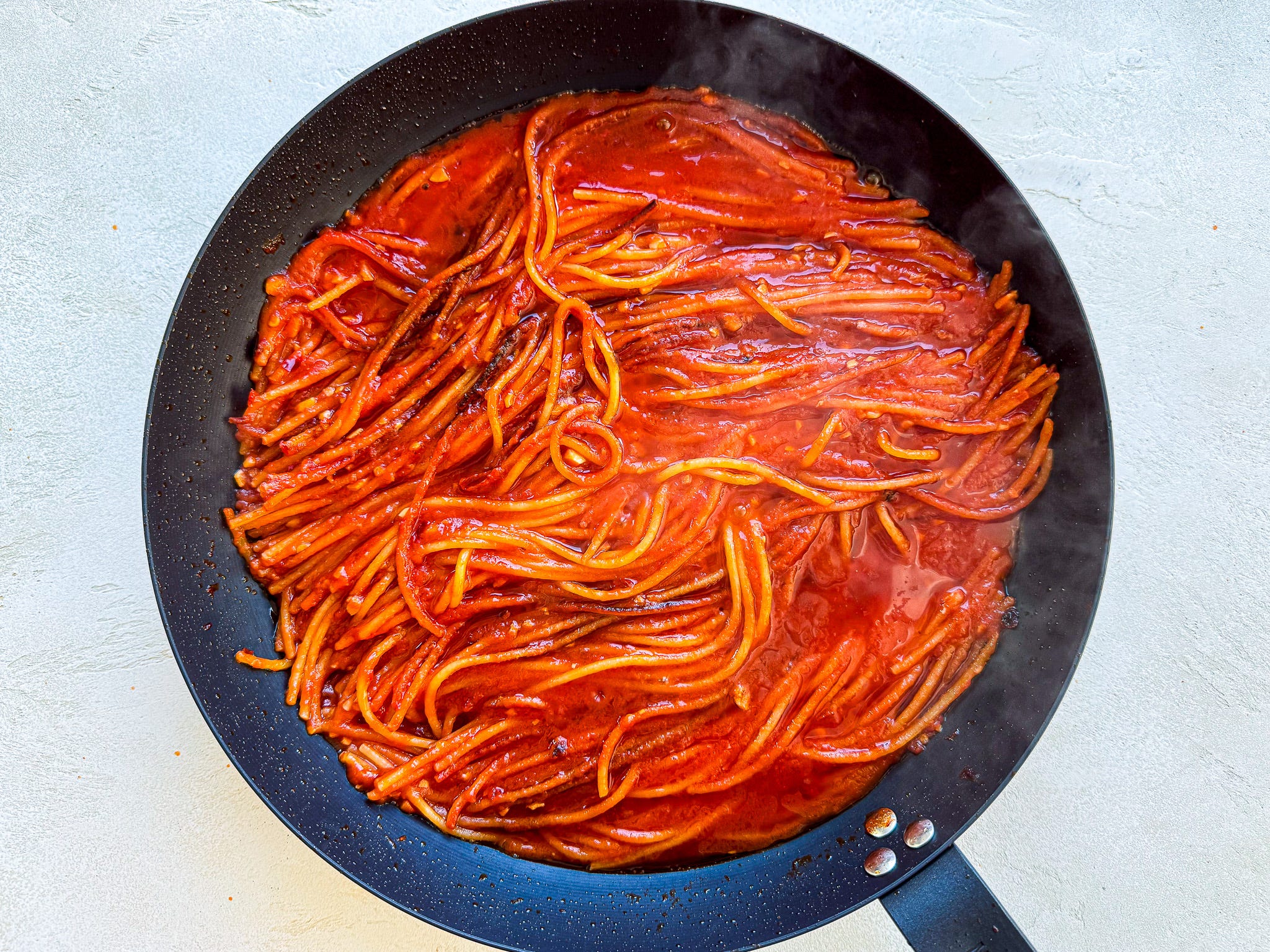
How to recognize you are using too much heat
Watch the color, sound, and smell as you cook to tell when heat is too high while cooking. If oil smokes, lower the flame right away. If food browns in seconds and feels hard, dial the heat down; gentle sizzles are usually better than violent pops. The more you cook, the easier it gets to read these signals.
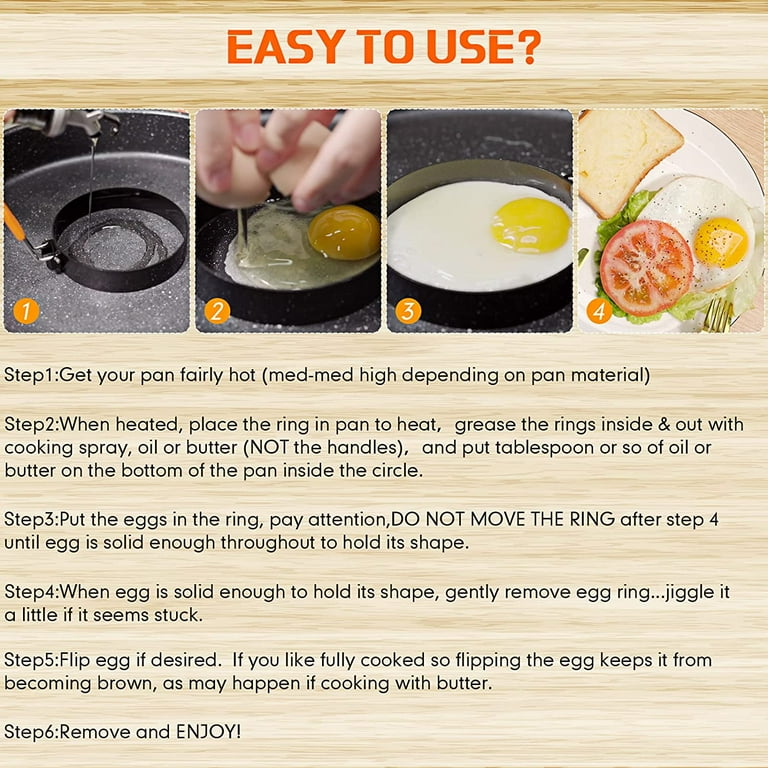
Practical steps to prevent overheating
Control heat with tools and habit changes so you avoid what happens if heat is too high while cooking.
- Use a thermometer to check pan and oil temperature rather than guessing.
- Learn common oil smoke points and pick oils that match your method.
- Start on medium heat and adjust slowly; preheat pans but do not scorch them.
- Use cookware with good heat distribution and lid control to trap or release heat.
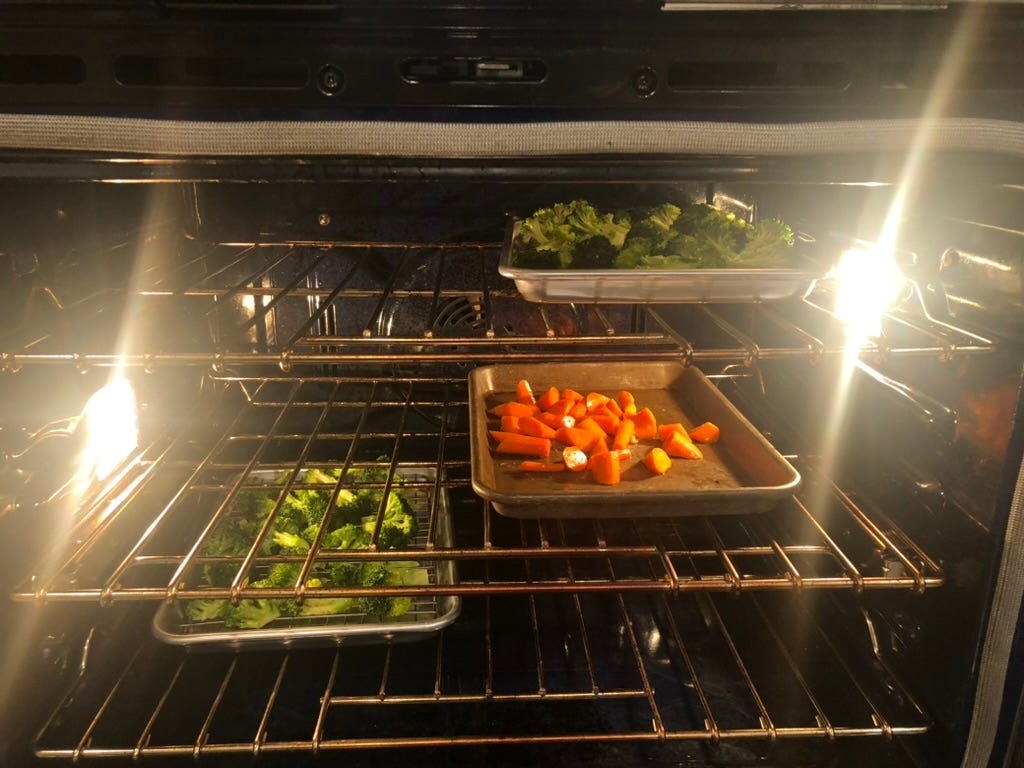
How to fix food that was cooked at too high heat
Not all is lost if heat is too high while cooking. For burned exteriors, trim charred parts and use fresh sauce or acid to balance bitterness. For dry meats, slice thin, add a flavorful liquid, and finish low and slow. For sauces that split, whisk in a little cold water or cream off heat to bring them back together.
:max_bytes(150000):strip_icc()/__opt__aboutcom__coeus__resources__content_migration__serious_eats__seriouseats.com__images__2015__05__20110514-cowboy-steak-3-edit-1a7436fb05b748679f49310b16401a8c.jpg)
Personal experience and lessons learned
I once seared a steak on full blast and ended with a burnt crust and raw center. I learned to preheat properly and finish thick cuts in the oven at a lower temp. I also learned to keep a spray bottle of water for small flare-ups and to use a thermometer for repeatable results. These simple steps saved me time, food, and stress when I learned what happens if heat is too high while cooking.
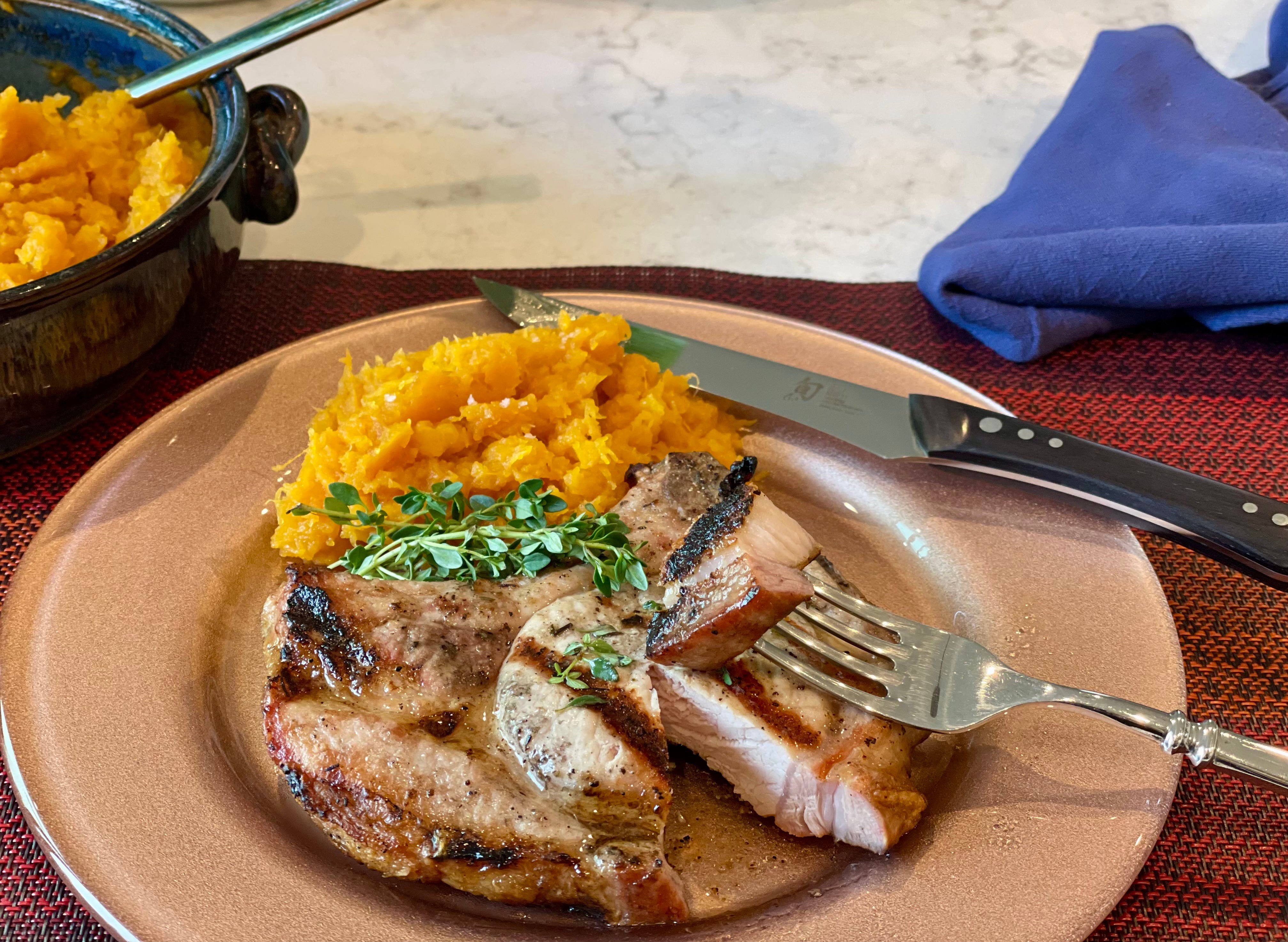
Techniques by cooking method
Different methods need different heat control to avoid what happens if heat is too high while cooking.
- Searing and pan-frying: heat high to start, then drop to medium to finish.
- Stir-frying: keep oil hot but move food constantly to avoid burning.
- Baking: use the oven thermometer and avoid broil unless you want a fast char.
- Deep-frying: keep oil steady at the recommended temperature to avoid greasy, undercooked food.
Tools that help you avoid overheating
A few tools can prevent mistakes caused by too much heat.
- Instant-read thermometer for internal temps.
- Infrared or surface thermometer for pan and oil temps.
- Heavy-bottom pans for even heat.
- Exhaust fan to clear smoke and odors.
Frequently Asked Questions of what happens if heat is too high while cooking
Will high heat always make food taste bad?
Not always. High heat can create good sear and flavor when used briefly, but sustained high heat often causes burning, bitterness, and dryness.
Can high heat make food unsafe to eat?
Yes. Burnt food and overheated oils can form harmful compounds. Also, uneven cooking at high heat can leave the inside undercooked, posing bacterial risks.
How can I salvage a burnt sauce?
Remove the pot from heat and transfer the unburnt portion to a clean pan. Add a bit of liquid and simmer gently, tasting as you go to balance bitterness.
Is smoking oil dangerous?
Smoking oil signals it is breaking down and can produce harmful fumes and tastes. Lower the heat and replace the oil if it smokes heavily.
How do I avoid burning food when cooking for many people?
Use lower heat longer, cook in batches, and keep finished items warm in a low oven. Prep mise en place so you can watch food closely and adjust heat quickly.
Conclusion
High heat can give great color when used right, but too much heat ruins texture, flavor, safety, and nutrition. Practice simple checks—watch, smell, and measure—and use small fixes like trimming char, adding liquids, or lowering the flame. Try the tips in this article next time you cook and notice how better heat control improves every meal. If you found this helpful, leave a comment, subscribe for more tips, or try a new recipe with temperature control today.
