

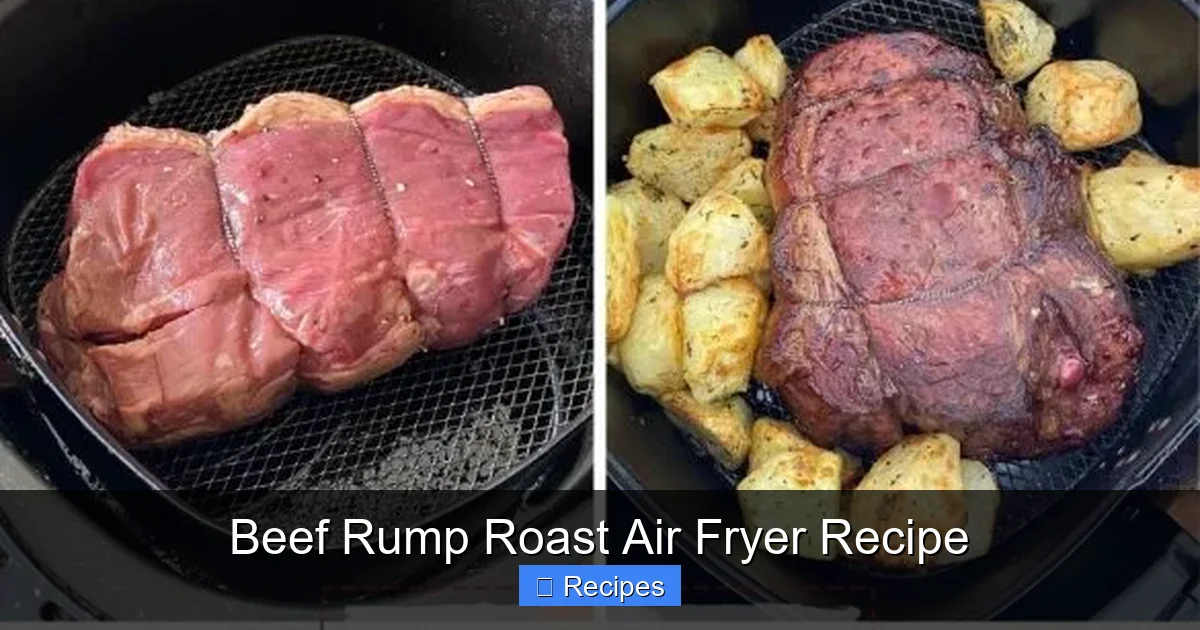
Cooking a beef rump roast in an air fryer is faster and healthier than traditional methods. This beef rump roast air fryer recipe delivers a perfectly seared crust and melt-in-your-mouth tenderness using minimal oil. You’ll learn expert tips for seasoning, resting, and serving that make this dish restaurant-quality at home.
Have you ever craved a tender, flavorful beef roast but dreaded hours in the oven? Enter the game-changing world of the air fryer—a kitchen gadget that’s revolutionized how we cook everything from chicken wings to garlic potatoes. And yes, it can absolutely handle a whole beef rump roast! That’s right: you can now enjoy a succulent, restaurant-style roast right at home with minimal effort and zero hassle.
The beauty of cooking beef rump roast in an air fryer lies in its speed and precision. Unlike slow roasting in a traditional oven—which can take 2–3 hours—the air fryer uses superheated, circulating air to cook evenly and quickly. In fact, many home cooks report finishing their roast in under an hour! Plus, because the air fryer concentrates heat around the food, you get that coveted crispy browned exterior while keeping the inside juicy and tender. Whether you’re preparing a cozy family dinner or impressing guests with a gourmet centerpiece, this method delivers consistent results every time.
In this comprehensive guide, we’ll walk you through every step of making a perfect beef rump roast air fryer recipe—from selecting the right cut to slicing and serving like a pro. We’ll also share insider tips on seasoning, timing, and pairing sides so your meal feels complete. Ready to transform your next roast? Let’s get started!
Key Takeaways
- Speed & Efficiency: The air fryer cooks beef rump roast faster than conventional ovens while locking in flavor and moisture.
- Healthier Option: Uses significantly less oil compared to deep frying or pan-searing, reducing saturated fat intake.
- Even Browning: Rapid hot-air circulation creates a golden, crispy exterior without burning or drying out the meat.
- Perfect for Meal Prep: Cook once, slice thin—ideal for sandwiches, salads, or quick dinners throughout the week.
- Customizable Seasonings: Easily adapt marinades and spices to suit your taste or dietary preferences (low-sodium, keto-friendly, etc.).
- Safe & Easy Cleanup: Non-stick baskets and trays simplify post-cooking cleaning—no scrubbing burnt-on bits.
- Thermometer Essential: Use an instant-read thermometer to avoid overcooking; internal temp should reach 145°F (63°C) for medium-rare.
📑 Table of Contents
Why Choose the Air Fryer for Beef Rump Roast?
Before diving into the recipe, it’s worth understanding why the air fryer stands out for this cut. Beef rump roast comes from the hindquarters of the cow—specifically the top sirloin cap or bottom round. It’s leaner than chuck or brisket, which means it can dry out easily if not cooked carefully. Traditional roasting often requires basting and frequent checks, but the air fryer simplifies the process dramatically.
One major advantage is **temperature control**. Most modern air fryers allow precise settings between 180°F and 400°F (82°C–204°C), giving you the flexibility to sear first and then gently finish cooking without flipping or monitoring constantly. Another benefit is **energy efficiency**—air fryers use less electricity than ovens, especially when cooking smaller portions like a single roast.
Plus, the rapid airflow ensures even heat distribution, eliminating cold spots that could lead to uneven doneness. This is particularly helpful for thicker cuts (up to 2 inches thick), which are common with rump roasts. And let’s be honest: who doesn’t love coming home to a hot, ready-to-eat roast instead of waiting all day?
Choosing the Right Cut and Preparing Your Roast
Not all beef rump roasts are created equal—and selecting the best one makes a big difference in flavor and texture. Look for a cut labeled “top sirloin tip” or “bottom round” with moderate marbling. Avoid overly lean versions unless you plan to brine or marinate them well, as they’re prone to drying during high-heat air frying.
Once you’ve got your roast, pat it completely dry with paper towels. Moisture prevents proper browning, so skip rinsing unless instructed otherwise by your butcher. Trim off any excessive fat or connective tissue, but leave a thin layer intact—it helps keep the meat moist during cooking.
Now comes the fun part: **seasoning**. While simple salt and pepper work wonders, consider adding garlic powder, onion powder, smoked paprika, or rosemary for extra depth. For a richer profile, rub in a mixture of olive oil, Dijon mustard, and fresh thyme. Let the seasoned roast sit at room temperature for at least 30 minutes before cooking—this ensures even heat penetration.
Pro tip: If you’re short on time, try prepping the night before. Just place the seasoned roast in a zip-top bag, remove excess air, and refrigerate overnight. This allows flavors to meld beautifully while ensuring it’s closer to room temp when you pop it in the fryer.
Step-by-Step Cooking Process
Ready to fire up the fryer? Follow these steps for flawless results every time:
Preheat Your Air Fryer
Start by preheating your air fryer to 375°F (190°C). This ensures immediate contact between the hot air and meat surface, jumpstarting the Maillard reaction—that delicious browning effect responsible for rich, complex flavors. Most models take 3–5 minutes to reach target temperature.
Seal in Flavor (Optional)
For extra tenderness and taste, consider searing the roast before transferring it to the basket. Heat a skillet over medium-high, add a splash of oil, and sear all sides of the roast for 2–3 minutes each. This adds a deep savory crust, though it’s optional—many air fryers achieve similar results without pre-searing.
Place in Air Fryer Basket
Use a rack or trivet to elevate the roast slightly above the base. This improves airflow on all sides, promoting even cooking. Don’t overcrowd—if your model has limited space, choose a smaller roast or cook in batches (though this isn’t ideal for whole roasts).
Monitor Temperature Closely
Insert an instant-read meat thermometer into the thickest part of the roast—avoid touching bone or fat. At 375°F, most 1.5–2 lb roasts reach medium-rare (145°F) in about 25–30 minutes. Check every 10 minutes after that to avoid overshooting. Remember: carryover cooking will raise the internal temp by 5–10°F during resting.
Rest Before Slicing
Once the desired temperature is reached, transfer the roast to a cutting board and tent loosely with foil. Rest for 10–15 minutes. This crucial step redistributes juices, resulting in moister slices. Residual heat continues cooking slightly, so factor that into your timing.
Serving Suggestions and Side Ideas
Sliced beef rump roast is incredibly versatile. Serve it warm over mashed potatoes, nestled in a hoagie roll with provolone cheese, or atop a bed of arugula for a lighter option. The natural richness pairs wonderfully with creamy horseradish sauce, chimichurri, or a tangy tomato relish.
For sides, consider roasting vegetables in the same air fryer while the main dish rests—think Brussels sprouts tossed in balsamic glaze or baby carrots with honey and thyme. You can even reheat leftover roasted potatoes or reheat ribs in the fryer for a seamless meal (check out our how-to-reheat-ribs-in-air-fryer guide for tips).
If you’re meal-prepping, slice the cooled roast thinly and store in an airtight container for up to 4 days. It reheats beautifully in the microwave or air fryer for quick lunches. Pro tip: drizzle a little reserved juice or pan drippings over sliced meat upon serving—it elevates the entire dish.
Troubleshooting Common Issues
Even with the best technique, things don’t always go perfectly. Here’s how to fix common problems:
– Dry or tough roast? Likely caused by overcooking or insufficient resting. Always use a thermometer and let the meat rest fully.
– Uneven browning? Rotate the roast halfway through or ensure proper spacing in the basket. Avoid covering parts with foil prematurely.
– Smoke buildup? Trim excess fat and avoid overcrowding. Clean the fryer regularly (see our cleaning guide) to prevent grease accumulation.
– Too much oil used? Air fryers require very little—just enough to coat lightly. Excess oil leads to sogginess rather than crispness.
Don’t worry if your first attempt isn’t perfect—every chef has off nights! Keep notes on timing and temperature adjustments to refine your process over time.
Health and Nutritional Benefits
Cooking beef rump roast in an air fryer isn’t just convenient—it’s also healthier. Compared to frying or pan-roasting with lots of butter and oil, air frying reduces added fats by up to 80%. The result? A lower-calorie meal packed with protein and essential nutrients like iron and B12.
That said, portion control matters. A 3 oz serving provides roughly 25g of protein and supports muscle maintenance and satiety. Pair it with fiber-rich veggies and whole grains for balanced nutrition. Need more ideas? Explore our collection of air-fryer-dinner-recipes, including keto-friendly options and plant-based swaps.
Final Thoughts: Why This Recipe Belongs in Every Kitchen
There you have it—a foolproof beef rump roast air fryer recipe that delivers restaurant-quality results with minimal fuss. Whether you’re a beginner or a seasoned cook, this method proves that healthy, delicious meals don’t have to be complicated. With just a few ingredients, basic tools, and a little patience, you’ll master the art of air-fried roasting in no time.
Remember: consistency comes from practice. Start with smaller cuts if you’re new to air frying, then gradually work your way up. And never skip the thermometer—precision beats guesswork every time. As you gain confidence, experiment with different herbs, sauces, and side dishes to keep things exciting.
So next time hunger strikes or company’s coming over, ditch the oven and reach for your air fryer. Trust us, your taste buds (and your schedule) will thank you. Happy cooking!
Frequently Asked Questions
Can I cook frozen beef rump roast in an air fryer?
It’s not recommended to cook frozen beef rump roast directly in the air fryer. Frozen meat takes longer to cook and may result in uneven heating—with the outside overcooking before the inside thaws properly. Always thaw completely in the refrigerator before air frying for best results.
How do I know when my beef rump roast is done?
Use an instant-read meat thermometer inserted into the thickest part of the roast. For medium-rare, aim for 145°F (63°C); medium is 160°F (71°C). Allow the roast to rest for 10–15 minutes after cooking, as carryover cooking will raise the temperature by 5–10°F during rest.
Should I cover the roast while air frying?
No—covering traps steam and prevents browning. Leave uncovered to allow direct exposure to hot air, which promotes crisping and even cooking. If your roast dries out too quickly, tent loosely with foil only toward the end if needed.
What size roast works best in an air fryer?
Most standard air fryers accommodate roasts up to 2 inches thick and weighing 1.5–2.5 pounds comfortably. Larger cuts may block airflow or overheat the machine. Check your model’s capacity before purchasing or cooking.
Can I reheat leftover beef rump roast in the air fryer?
Absolutely! Slice the roast thinly and reheat in the air fryer at 350°F (175°C) for 5–8 minutes, checking frequently to avoid drying. Add a splash of broth or water to revive moisture if needed.
Do I need to flip the roast during cooking?
No—unlike traditional roasting, the air fryer circulates hot air evenly around the food, so flipping isn’t necessary. However, rotating the roast halfway through can enhance browning if your model has uneven heating zones.
