

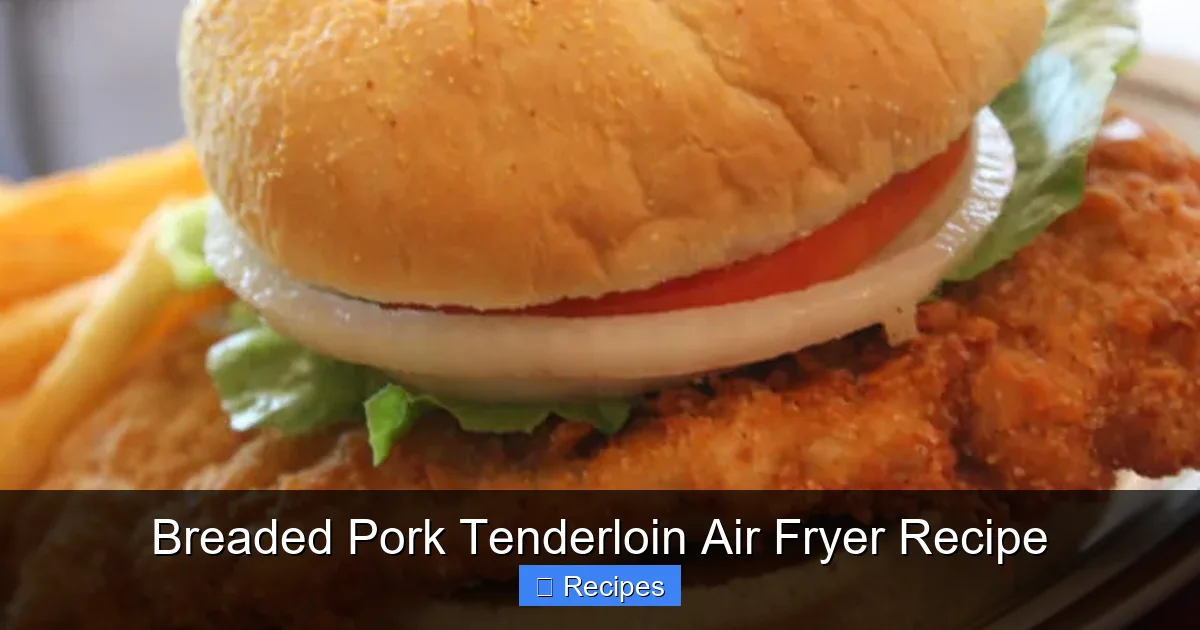
Master the art of cooking breaded pork tenderloin in an air fryer—a healthier twist on a classic favorite that delivers golden crispy crusts and tender, juicy meat. With this foolproof recipe, you’ll save time, reduce mess, and enjoy a delicious dinner in under 30 minutes.
Key Takeaways
- Healthier cooking method: Air frying uses up to 75% less oil than traditional frying while keeping food crispy and flavorful.
- Perfect texture every time: A balanced sear from the breading combined with even internal doneness ensures juicy pork tenderloin.
- Customizable seasonings: Swap or add herbs, spices, or coatings like panko, crushed crackers, or gluten-free options to suit your taste.
- Quick prep & cook time: Most recipes take just 10–15 minutes of active prep and 12–18 minutes in the air fryer.
- Great for meal prep: Cook several portions at once, store leftovers, and reheat quickly for lunches or dinners.
- Ideal for beginners: No deep-frying experience needed—just follow simple steps and let the air fryer do the work.
- Serves as a complete meal: Pair with roasted veggies, mashed potatoes, or a fresh salad for a balanced dinner.
There’s something undeniably satisfying about biting into a perfectly golden, crunchy exterior that gives way to tender, juicy meat. Enter the breaded pork tenderloin air fryer recipe—a modern kitchen staple that brings together convenience, flavor, and health-conscious cooking all in one dish. Whether you’re meal prepping for the week, impressing guests with a quick gourmet-style dinner, or simply craving comfort food without the guilt, this recipe checks every box.
Cooking pork tenderloin in an air fryer isn’t just trendy—it’s smart. Unlike deep frying, which can leave food greasy and requires constant monitoring, the air fryer circulates superheated air to crisp up your coating while locking in moisture inside. Plus, it’s fast: no preheating ovens or waiting for oil to heat up. In under 20 minutes, you’ll have a restaurant-quality meal on your plate.
In this comprehensive guide, we’ll walk you through everything you need to know to make the best breaded pork tenderloin using an air fryer. From selecting the right cut to mastering seasoning and timing, we’ve got you covered. Let’s get started!
Key Takeaways
- Understanding Breaded Pork Tenderloin Air Fryer Recipe: Provides essential knowledge
📑 Table of Contents
- The Magic Behind Breaded Pork Tenderloin in the Air Fryer
- Essential Ingredients & Tools
- Step-by-Step Instructions
- Flavor Variations & Customization Tips
- Meal Prep & Storage Guide
- Troubleshooting Common Issues
- Pairing Suggestions for a Complete Meal
- Final Thoughts: Why This Recipe Belongs in Every Kitchen
The Magic Behind Breaded Pork Tenderloin in the Air Fryer
The appeal of breaded pork tenderloin lies in its simplicity and versatility. Pork tenderloin is naturally lean and tender—ideal for absorbing flavors and staying moist during cooking. When you coat it in seasoned flour, egg wash, and a crispy outer layer (like breadcrumbs or panko), then air fry it, you create a symphony of textures: crunchy, savory, and melt-in-your-mouth tender.
Air fryers excel at this type of cooking because they mimic deep frying without submerging food in oil. The rapid airflow browns and crisps the outside while keeping the inside juicy and evenly cooked. This method also reduces calories and fat significantly, making it a popular choice for health-conscious eaters.
But what really sets this recipe apart is how forgiving and adaptable it is. Whether you’re cooking for one or feeding a crowd, adjusting portion sizes is easy. And if you’re avoiding certain ingredients—like gluten or dairy—there are plenty of substitutions that still deliver great results.
Why Choose Air Frying Over Traditional Methods?
Many home cooks shy away from breaded meats due to concerns about excess oil or uneven cooking. But air fryers solve both problems effortlessly. Here’s why switching to air frying makes sense:
– Less oil needed: You only need a light spray or brush to prevent sticking.
– Faster cooking time: No long waits for ovens to preheat.
– Even browning: The circulating hot air ensures consistent crispiness.
– Easy cleanup: Most parts go in the dishwasher, and residue wipes off easily.
For those comparing air fryers to other appliances, check out our detailed Best Air Fryer Brands and Models article to find the right fit for your kitchen.
Essential Ingredients & Tools
Before diving into the recipe, let’s cover what you’ll need. Having everything ready beforehand makes the process smooth and stress-free.
Ingredient Checklist
- Pork tenderloin: Aim for 1–1.5 pounds; look for firm, pinkish-white flesh with minimal marbling.
- All-purpose flour: For the first coating to help the egg stick.
- Salt and black pepper: Basic seasonings that enhance natural flavors.
- Garlic powder, onion powder, paprika: Optional but highly recommended for depth of flavor.
- Egg(s): Acts as a binding agent between flour and breading.
- Milk or water: To thin the egg slightly for easier application.
- Breadcrumb blend: Use regular breadcrumbs, panko, or Italian-seasoned mix for crunch.
- Olive oil spray or melted butter: Lightly brushed or sprayed to promote browning.
Recommended Tools
- Large mixing bowl
- Plastic wrap or parchment paper
- Small shallow bowls (for flour, egg wash, breading)
- Air fryer basket lined with parchment (optional but helpful)
- Instant-read thermometer (highly recommended)
Pro tip: If you’re new to air frying, investing in a good thermometer helps avoid overcooking—a common issue when cooking delicate cuts like tenderloin.
Step-by-Step Instructions
Ready to cook? Follow these clear steps for foolproof results every time.
Prep Your Pork Tenderloin
Start by patting the pork dry with paper towels. Drying removes surface moisture, which helps the coating adhere better. Trim any excess silver skin or connective tissue using a sharp knife—this improves texture and bite.
Next, slice the tenderloin lengthwise into “chops” if desired. While whole tenderloins work fine, slicing allows for more uniform cooking and easier serving. Each piece should be about ¾ to 1 inch thick.
Season Generously
Sprinkle both sides of the pork with salt, pepper, garlic powder, and any other dry rubs you prefer. Don’t skip this step—seasoning penetrates the meat and builds flavor from within.
Set Up the Breading Station
Arrange three shallow bowls side by side:
1. Flour mixed with extra seasoning
2. Egg wash (beaten eggs + 1 tbsp milk)
3. Breadcrumb mixture
Working one piece at a time, dredge the pork in flour, shaking off excess. Dip into egg wash, letting excess drip off. Press firmly into breadcrumbs, ensuring full coverage. Place coated pieces on a tray lined with parchment until all are prepared.
Cook in the Air Fryer
Preheat your air fryer to 375°F (190°C) for 3–5 minutes if possible. If not, start cooking immediately—just expect slightly longer cook times.
Arrange pork pieces in a single layer in the basket, leaving space between each for airflow. Avoid overcrowding—this causes steaming instead of crisping. Lightly mist tops with oil or brush with melted butter.
Cook for 12–15 minutes, flipping halfway through. Internal temperature should reach 145°F (63°C) for safe consumption, per USDA guidelines. Use a thermometer inserted into the thickest part for accuracy.
Rest & Serve
Transfer cooked pork to a cutting board and let rest for 3–5 minutes. Resting redistributes juices, preventing dryness when sliced. Serve warm with your favorite sides.
Flavor Variations & Customization Tips
One of the joys of this recipe is how easily it adapts to different tastes and dietary needs.
Try These Coating Ideas
- Panko + Parmesan: Adds a nutty, cheesy crunch.
- Gluten-free blend: Mix almond flour, cornbread crumbs, or certified GF breadcrumbs.
- Spiced coating: Add cayenne, smoked paprika, or Italian herbs to the breading.
- Cracker crush: Pulse Ritz crackers or saltines in a blender for ultra-crispy texture.
Dress It Up
Serve with dipping sauces like honey mustard, BBQ glaze, or ranch. Top with fresh parsley, lemon zest, or a squeeze of lime for brightness. A side of coleslaw or roasted broccoli adds balance.
For more inspiration on air fryer meals, explore our collection of Air Fryer Dinner Recipes.
Meal Prep & Storage Guide
This recipe shines during busy weeks. You can prep breaded pork ahead of time and store it safely.
How to Store Leftovers
Uncooked coated tenderloins keep well in the fridge for up to 2 days if covered tightly or stored in an airtight container. For longer storage, freeze raw pieces on a tray, then transfer to a freezer bag for up to 1 month.
Cooked leftovers last 3–4 days refrigerated or 2 months frozen. Reheat in the air fryer at 350°F for 5–7 minutes until warmed through.
Batch Cooking Made Easy
Double or triple the recipe and cook in batches if your air fryer has limited space. Label containers clearly and rotate stock to maintain freshness.
Troubleshooting Common Issues
Even experienced cooks hit snags now and then. Here’s how to fix them:
Problem: Breaded coating falls off
Solution: Ensure proper drying before breading. Also, press breadcrumbs firmly onto the pork—don’t rush this step.
Problem: Meat turns out dry
Solution: Overcooking is the culprit. Always use a thermometer and remove pork at 140°F (60°C), letting carryover heat finish it to 145°F.
Problem: Uneven browning
Solution: Rotate the basket halfway through cooking. Also, avoid stacking pieces—airflow must reach all surfaces.
If you’re curious about cooking times for similar dishes, see our guide on How Long to Cook Breaded Chicken in Air Fryer for comparison.
Pairing Suggestions for a Complete Meal
Breaded pork tenderloin doesn’t stand alone—it pairs beautifully with complementary dishes.
Classic Sides
– Garlic mashed potatoes
– Steamed green beans with almonds
– Caesar salad with croutons (made in the air fryer!)
– Cornbread (yes, you can make cornbread in an air fryer)
Beverage Matches
Light beer, crisp white wine, or sparkling apple cider complement the richness of the pork without overwhelming it.
Final Thoughts: Why This Recipe Belongs in Every Kitchen
The breaded pork tenderloin air fryer recipe isn’t just another viral hack—it’s a practical, delicious, and repeatable solution for everyday dining. It respects your time, budget, and health goals while delivering on flavor and satisfaction. Whether you’re cooking solo or hosting family, this dish rises to the occasion.
Remember, mastery comes with practice. Experiment with coatings, seasonings, and cooking times until you find what works best for your palate. And don’t hesitate to involve kids in the breading process—it’s a fun, hands-on activity that builds confidence in the kitchen.
So go ahead—grab that pork tenderloin, fire up your air fryer, and treat yourself to a golden, crunchy, juicy masterpiece. Your taste buds will thank you.
Frequently Asked Questions
How long does it take to cook breaded pork tenderloin in an air fryer?
Most breaded pork tenderloin air fryer recipes require 12–18 minutes at 375°F, depending on thickness and whether you flip halfway. Always check internal temperature—145°F is ideal for safety and juiciness.
Can I use frozen pork tenderloin for this recipe?
It’s best to thaw completely before breading. Frozen tenderloin won’t cook evenly and may steam rather than crisp. If short on time, place raw tenderloin directly in the air fryer and increase cook time by 5–8 minutes, flipping once.
What’s the secret to a crispy coating?
Three things matter most: dry meat, double coating (flour + egg + breadcrumbs), and adequate airflow. Lightly spraying with oil before or after breading also boosts browning.
Do I need special breadcrumbs for air frying?
No—regular or panko breadcrumbs work great. Panko gives extra crunch, but crushed crackers or gluten-free blends are excellent alternatives.
Can I bake breaded pork tenderloin instead of air frying?
Yes! Preheat oven to 400°F, place pork on a baking sheet lined with parchment, and cook for 20–25 minutes, flipping halfway. Results will be similar but may lack some crispiness compared to air frying.
Is air frying pork tenderloin healthier than deep frying?
Absolutely. Air frying uses little to no oil while achieving similar crunch and flavor. It reduces total fat intake significantly, making it a smarter choice for heart-healthy eating.
