

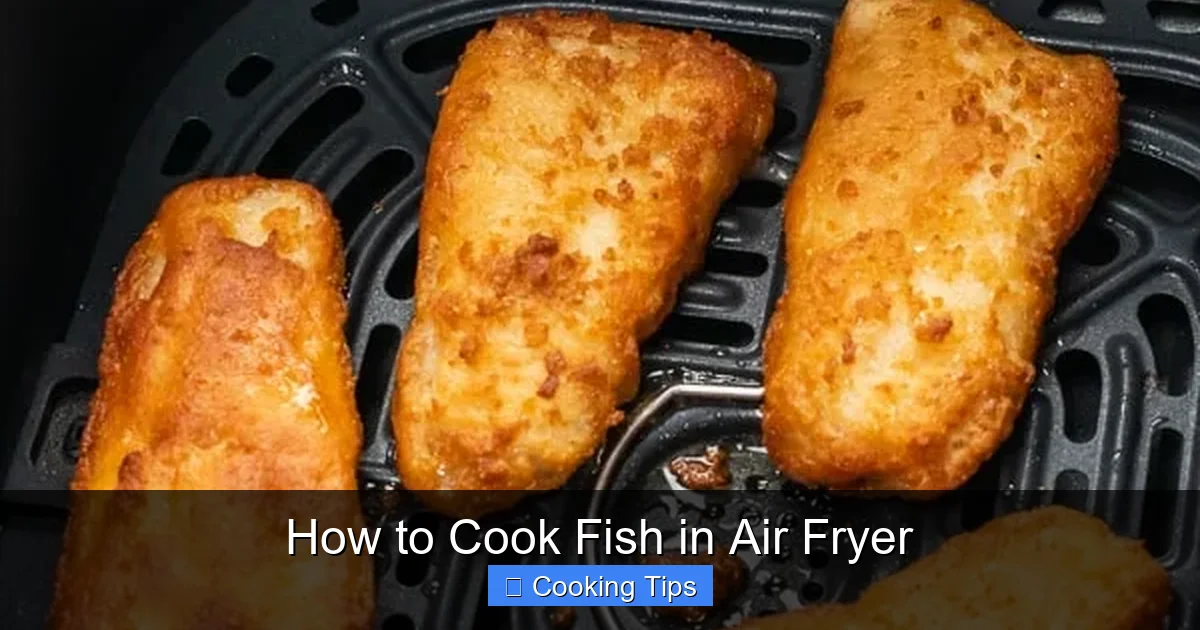
Cooking fish in an air fryer is a fantastic way to achieve perfectly crispy exteriors and moist, flaky interiors with minimal oil. This guide walks you through everything you need to know, from selecting the right fish to achieving ideal cooking times and temperatures. Get ready to enjoy delicious, healthy, and hassle-free air fryer fish meals in no time!
Key Takeaways
- Choose the Right Fish: Opt for firm, oily fish like salmon, cod, halibut, or tilapia for the best results. Thinner fillets can overcook quickly.
- Prep is Key: Pat fish dry thoroughly to ensure crispiness. Season generously with salt, pepper, and your favorite spices or marinades.
- Don’t Overcrowd: Cook fish in a single layer with space between pieces for even air circulation and optimal crisping.
- Preheat Your Air Fryer: Always preheat your air fryer to the recommended temperature for consistent cooking.
- Cooking Times Vary: Adjust cooking time based on fish thickness and type. Aim for an internal temperature of 145°F (63°C).
- Experiment with Coatings: Dredge fish in flour, breadcrumbs, or panko for an extra crispy crust.
How to Cook Fish in Air Fryer
Welcome to your ultimate guide on cooking fish in the air fryer! If you’ve ever wanted to enjoy perfectly cooked, flaky, and incredibly delicious fish without the mess and excess oil of deep frying, then you’re in the right place. The air fryer is a game-changer for fish lovers, transforming even simple fillets into restaurant-quality meals. In this comprehensive guide, we’ll cover everything you need to know to become an air fryer fish pro. We’ll delve into choosing the best types of fish, essential preparation techniques, step-by-step cooking instructions, and some handy tips to troubleshoot any potential issues. Get ready to discover how easy and rewarding it is to cook fish in your air fryer!
Why Cook Fish in an Air Fryer?
Before we dive into the “how,” let’s talk about the “why.” Air fryers work by circulating hot air around your food at high speeds. This process mimics deep frying but uses significantly less oil, often just a tablespoon or two, or even none at all for naturally oily fish. For fish, this means you can achieve a wonderfully crispy exterior that locks in moisture, resulting in tender, flaky flesh. It’s a healthier alternative to traditional frying and much quicker than baking for many types of fish. Plus, cleanup is a breeze compared to dealing with oil splatters.
Choosing the Best Fish for Your Air Fryer
Not all fish are created equal when it comes to air frying. The best candidates are those that hold up well to the high heat and circulating air without drying out too quickly.
Firm and Oily Fish
These are your champions for air frying. Their natural fat content helps keep them moist and flavorful throughout the cooking process. Think:
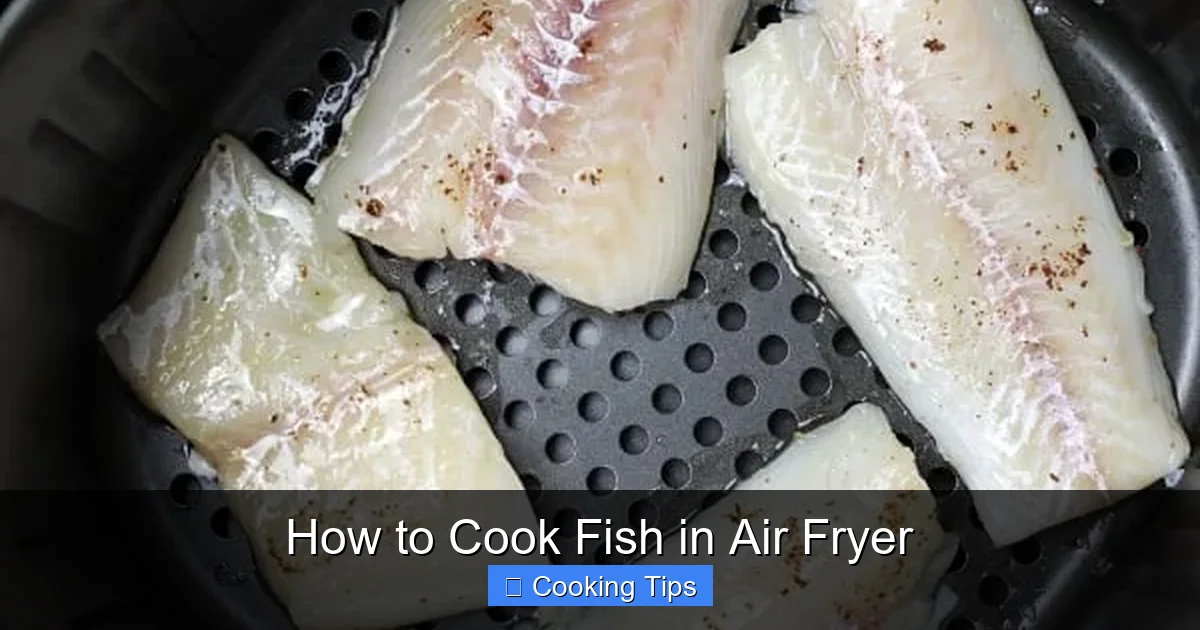
Visual guide about How to Cook Fish in Air Fryer
Image source: recipevibes.com
- Salmon: Its rich flavor and healthy fats make it a perfect choice. Salmon fillets or steaks work beautifully.
- Mackerel: Another oily fish that thrives in the air fryer, offering a robust taste.
- Trout: Similar to salmon, trout benefits from the air fryer’s ability to crisp the skin while keeping the flesh tender.
- Tuna Steaks: If you like your tuna cooked medium-rare, the air fryer can achieve a nice sear.
Firm White Fish
These are also excellent options, though they may require a little more attention to avoid overcooking. Their milder flavor makes them versatile for various seasonings.
- Cod: A classic for a reason, cod becomes flaky and moist.
- Haddock: Similar to cod, haddock offers a delicate flavor and texture.
- Halibut: A firmer white fish that holds its shape well and provides a satisfying chew.
- Tilapia: A very lean and mild fish, tilapia cooks quickly and can be a great canvas for marinades and coatings.
- Snapper: Red snapper, in particular, is a great choice for its firm texture.
Fish to Be Cautious With
Very thin or very delicate fish fillets might not be ideal for direct air frying without some form of coating or wrapping, as they can break apart or dry out too quickly. Consider these when you’re more comfortable with your air fryer.
- Sole: Very thin and delicate.
- Flounder: Similar to sole, it’s prone to drying out.
Pro Tip: For thinner fillets, consider wrapping them in foil or parchment paper (with holes poked for airflow) or using a breading to protect them.
Essential Preparation Steps
Proper preparation is the secret to consistently delicious air fryer fish. A few simple steps make a world of difference.
Step 1: Thaw If Frozen
If your fish is frozen, it’s crucial to thaw it completely before cooking. This ensures even cooking. The best way to thaw fish is overnight in the refrigerator. You can also use the defrost setting on your microwave if you plan to cook it immediately after thawing.
Visual guide about How to Cook Fish in Air Fryer
Image source: i.ytimg.com
Step 2: Pat Your Fish Dry
This is arguably the most important step for achieving a crispy exterior. Moisture is the enemy of crispiness! Use paper towels to thoroughly pat down all surfaces of your fish fillets. The drier the fish, the crispier it will get.
Step 3: Season Generously
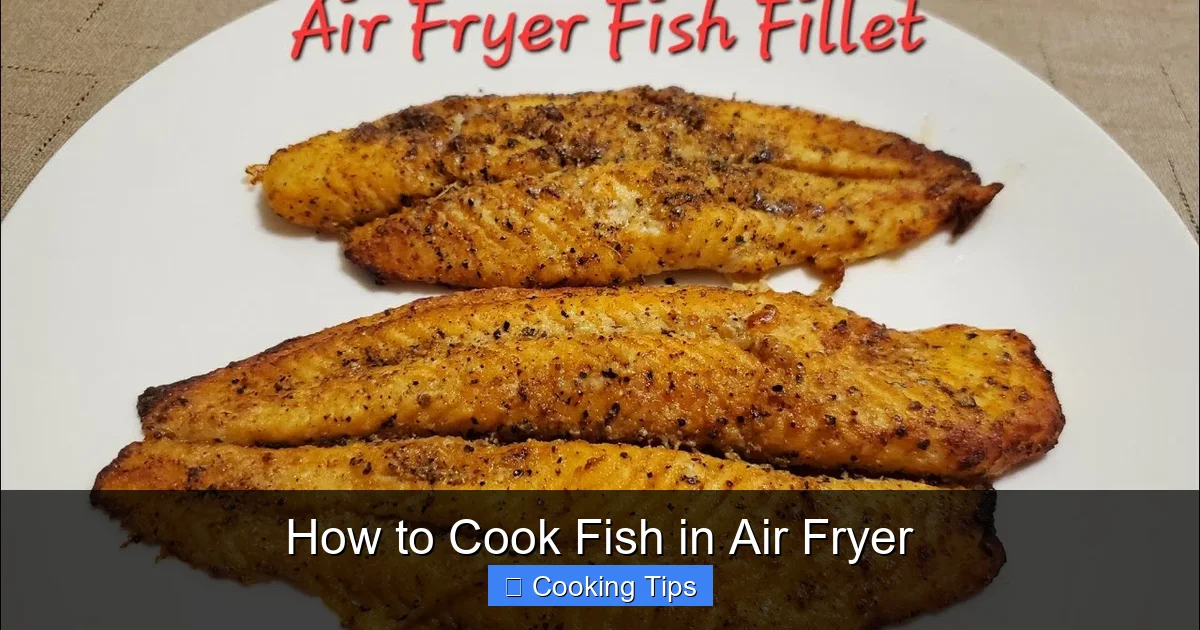
Fish is a blank canvas for flavor! Now is the time to season. You can go simple with salt and freshly ground black pepper. Or, get creative with your favorite spices:
- Herbs: Dill, parsley, chives, thyme, rosemary
- Spices: Paprika, garlic powder, onion powder, chili powder, cumin, lemon pepper
- Marinades: Soy sauce, lemon juice, garlic, ginger, honey, olive oil
For marinades, ensure you don’t marinate for too long, especially with acidic ingredients, as they can “cook” the fish. About 15-30 minutes is usually sufficient.
Step 4: Add a Coating (Optional but Recommended!)
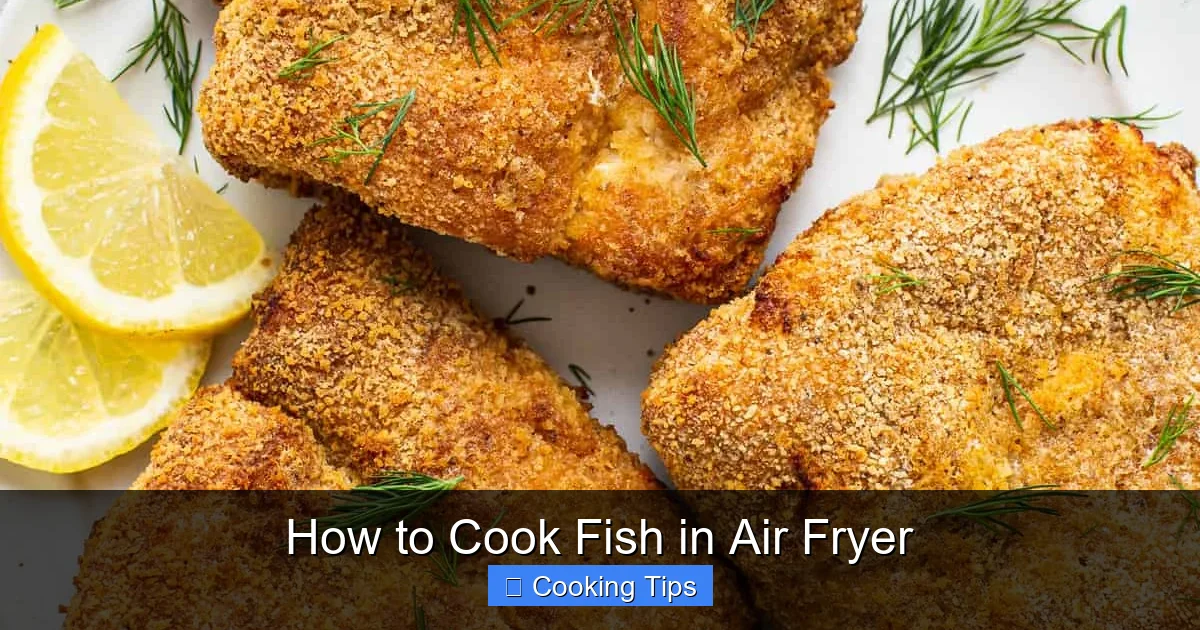
For an extra layer of crunch and flavor, consider coating your fish. This is especially great for leaner white fish.
- Flour Dredge: A light coating of all-purpose flour seasoned with salt and pepper helps create a subtle crisp.
- Breadcrumbs: Panko breadcrumbs offer superior crispiness. Regular breadcrumbs also work.
- Seasoned Breading: Mix breadcrumbs or panko with herbs, spices, and a little Parmesan cheese for extra flavor.
- Cornmeal: For a Southern-style crisp.
How to Coat:
- Set up a dredging station: one shallow dish with seasoned flour, one with a beaten egg (or milk/buttermilk for dipping), and one with your breadcrumbs or coating mixture.
- Dip the fish first in flour, shaking off excess.
- Then dip in the egg, letting excess drip off.
- Finally, press the fish into the breadcrumbs, ensuring it’s well-coated.
Pro Tip: If you’re using a coating, you’ll likely need a little bit of oil. Lightly spray or brush the coated fish with olive oil or cooking spray for golden-brown crispiness.
Air Frying Your Fish: Step-by-Step
Now that your fish is prepped and ready, let’s get it into the air fryer!
Step 1: Preheat Your Air Fryer
This is crucial for achieving an even cook and crispy results. Most air fryers recommend preheating for about 3-5 minutes. A common preheating temperature for fish is 375°F (190°C) or 400°F (200°C), depending on the recipe and your specific model.
Visual guide about How to Cook Fish in Air Fryer
Image source: fitfoodiefinds.com
Step 2: Arrange Fish in a Single Layer
Place your seasoned or coated fish fillets in the air fryer basket in a single layer. Do not overcrowd the basket. Overcrowding prevents the hot air from circulating effectively, leading to uneven cooking and soggy fish. Cook in batches if necessary.
Step 3: Add Oil (If Needed)
If you’ve used a dry rub or are cooking naturally oily fish like salmon, you might not need any added oil. However, if you’ve used a coating (flour, breadcrumbs) or are cooking a leaner fish, lightly spray or brush the fish with olive oil or cooking spray. This helps with browning and crisping.
Step 4: Set Temperature and Time
This is where variations come into play, as cooking times depend on the thickness of your fish, its type, and your air fryer’s wattage.
- General Rule of Thumb: For most 1-inch thick fillets, start with 8-12 minutes at 375°F (190°C) or 400°F (200°C).
- Thicker Fillets (like salmon steaks): May require 10-15 minutes at 375°F (190°C).
- Thinner Fillets (like tilapia): May only need 6-10 minutes at 400°F (200°C).
Always check for doneness! The fish is cooked when it flakes easily with a fork and reaches an internal temperature of 145°F (63°C) when tested with an instant-read thermometer.
Step 5: Flip Midway (Optional but Recommended)
For the most even cooking and crisping on both sides, flip your fish halfway through the cooking time. This usually means flipping after about 4-6 minutes.
Step 6: Check for Doneness and Rest
Once the cooking time is almost up, check your fish. It should be opaque throughout and flake easily. If it needs a little more time, add 1-2 minute increments. Once cooked, carefully remove the fish from the air fryer and let it rest for a minute or two before serving. This allows the juices to redistribute, making the fish even more moist.
Air Fryer Fish Cooking Chart (Approximate Times & Temps)
This is a guide, always adjust based on your specific air fryer and the thickness of your fish.
| Type of Fish | Thickness | Temperature | Time | Notes |
|---|---|---|---|---|
| Salmon Fillets | 1 inch | 375°F (190°C) | 10-12 minutes | Skin-side down first for crispier skin. Flip halfway. |
| Cod Fillets | 1 inch | 400°F (200°C) | 8-10 minutes | Can be breaded or plain. Flip halfway. |
| Tilapia Fillets | 0.5-0.75 inch | 400°F (200°C) | 6-8 minutes | Very quick cooking. Flip halfway. |
| Halibut Fillets | 1 inch | 375°F (190°C) | 10-12 minutes | Firm white fish, can be breaded. Flip halfway. |
| Shrimp (large, peeled & deveined) | N/A | 380°F (190°C) | 6-8 minutes | Toss with oil and seasonings. Shake basket halfway. |
Tips for Perfect Air Fryer Fish
* Don’t Overcook: This is the most common mistake. Fish cooks very quickly in an air fryer. Start checking for doneness a few minutes before the suggested time.
* Use a Meat Thermometer: For guaranteed perfectly cooked fish, an instant-read thermometer is your best friend. Aim for an internal temperature of 145°F (63°C) in the thickest part.
* Experiment with Marinades and Rubs: Don’t be afraid to get creative with your seasonings. Lemon, garlic, dill, paprika, and chili powder are all great pairings for fish.
* Consider Parchment Paper or Foil: If you’re concerned about sticking or want an even easier cleanup, you can line your air fryer basket with perforated parchment paper specifically designed for air fryers, or use foil (poke holes in it for airflow).
* Don’t Forget the Lemon: A squeeze of fresh lemon juice over your finished fish brightens the flavors beautifully.
Troubleshooting Common Air Fryer Fish Issues
* Fish is Dry:
* Cause: Overcooked or too lean a fish for the cooking time.
* Solution: Reduce cooking time, use a meat thermometer, opt for oilier fish, or consider a light marinade or oil spray.
* Fish is Soggy, Not Crispy:
* Cause: Basket was overcrowded, fish wasn’t patted dry, or not enough oil was used (if coating was applied).
* Solution: Ensure fish is patted completely dry. Cook in a single layer without overcrowding. Lightly spray/brush with oil, especially if breaded.
* Fish Sticks to the Basket:
* Cause: Not enough oil or the basket surface is worn.
* Solution: Lightly coat the basket with cooking spray or oil before adding the fish. Ensure you use oil on breaded fish.
Conclusion
Cooking fish in the air fryer is a simple, healthy, and delicious way to enjoy your favorite seafood. With a little practice and by following these guidelines, you’ll be whipping up perfectly crispy and flaky fish dishes in no time. From selecting the right fish to mastering the preparation and cooking stages, this guide provides you with all the tools you need for success. So, preheat your air fryer, gather your ingredients, and get ready to impress yourself and your family with amazing air fryer fish! Happy cooking!
