

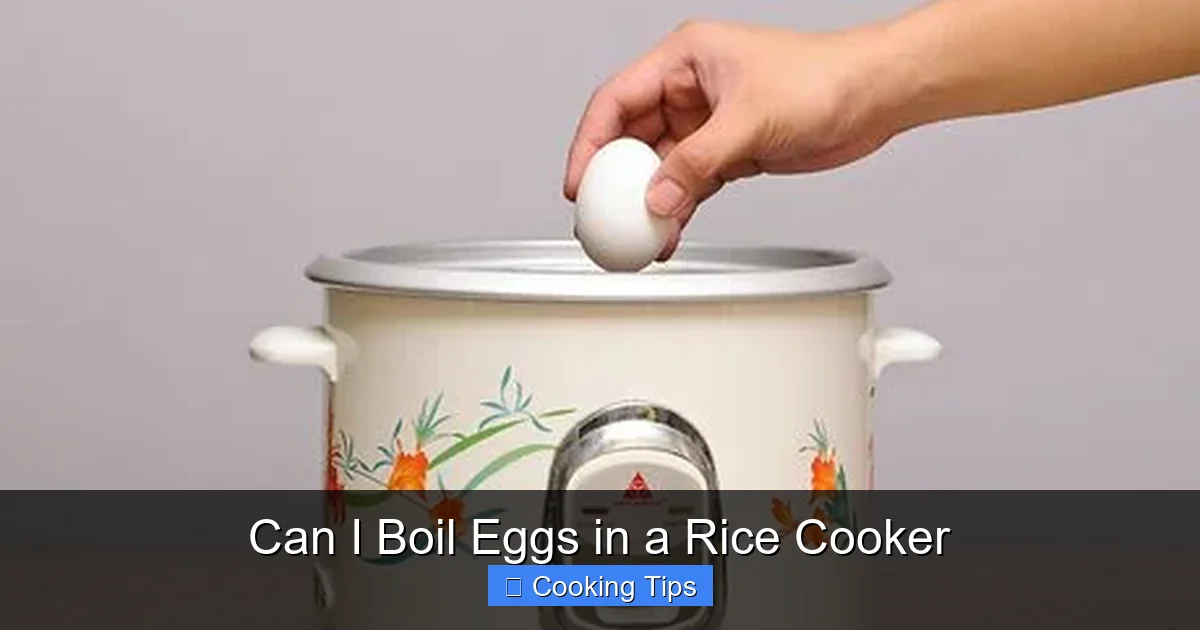
Yes, you absolutely can boil eggs in a rice cooker! This guide provides a detailed, step-by-step process for achieving perfectly cooked eggs using this unexpected kitchen appliance. Learn how to prepare your rice cooker, add water and eggs, and select the right setting for delicious boiled eggs, whether you prefer them soft or hard. It’s a convenient and time-saving alternative for busy households in 2026.
In today’s fast-paced world, especially as we navigate through 2026, finding smart and efficient ways to prepare our meals is key. We’re all looking for hacks that save time, energy, and valuable kitchen real estate. You might be wondering, “Can I boil eggs in a rice cooker?” The answer is a resounding yes! This versatile kitchen appliance, often underestimated for its capabilities beyond fluffy rice, can be your secret weapon for perfectly boiled eggs.
This comprehensive guide will walk you through everything you need to know to successfully boil eggs in your rice cooker. We’ll cover the simple steps, offer practical tips, and address any potential concerns, ensuring you can confidently achieve delicious, perfectly cooked eggs every time. Get ready to unlock a new level of convenience in your kitchen!
Key Takeaways
- Rice cookers can indeed boil eggs: Many modern rice cookers are versatile enough to handle more than just rice, including boiling eggs effectively.
- Simple process, minimal effort: The method involves adding water and eggs to the rice cooker pot and using a specific setting to steam or boil them.
- Achieve perfect doneness: You can control the cooking time to achieve your desired level of yolk firmness, from soft-boiled to hard-boiled.
- Convenience and space-saving: Boiling eggs in a rice cooker frees up stovetop space, making it ideal for multitasking in the kitchen.
- Safety first: Always ensure your rice cooker is clean and follow recommended water levels to prevent any issues.
- Ideal for batch cooking: A rice cooker can often accommodate more eggs than a small saucepan, making it great for preparing eggs for a crowd or meal prep.
Understanding the Rice Cooker Method for Boiling Eggs
Before we dive into the “how-to,” let’s understand why this method works. Rice cookers essentially operate by heating water to a specific temperature, creating steam or boiling conditions. This controlled environment is perfect for cooking eggs. Instead of using a stovetop burner and a pot, you’re leveraging the rice cooker’s consistent heat. This often results in evenly cooked eggs with no risk of boiling over or sticking to the bottom of the pot, provided you follow the right steps.
Step-by-Step Guide to Boiling Eggs in a Rice Cooker
Let’s get started! Boiling eggs in your rice cooker is surprisingly straightforward. Here’s what you need to do:
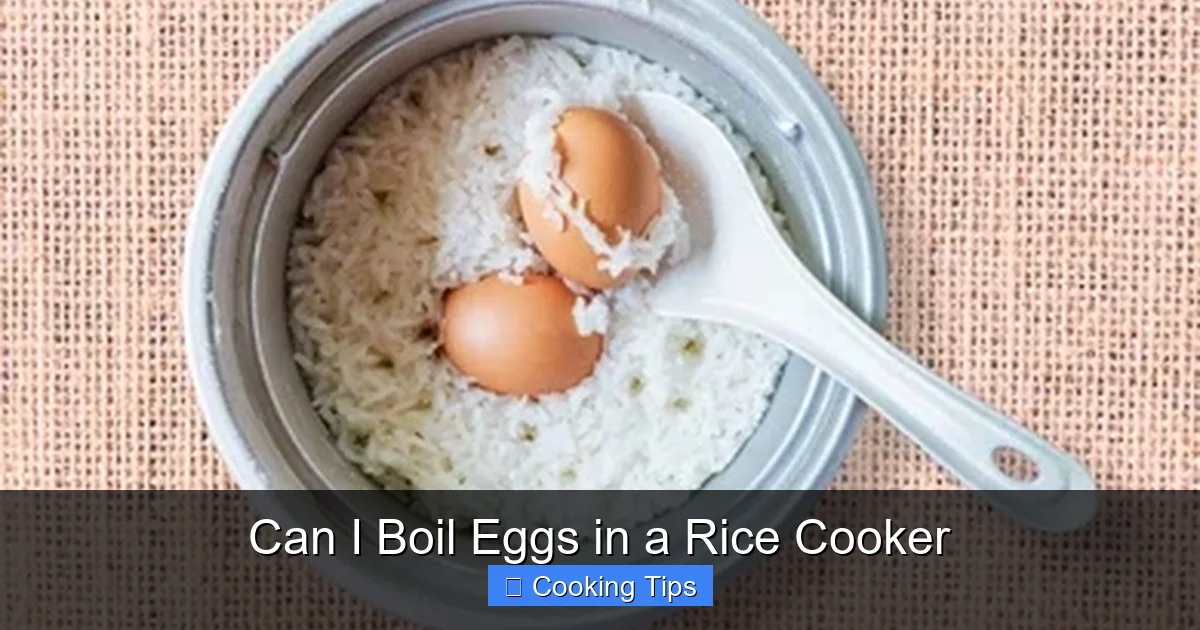
Visual guide about Can I Boil Eggs in a Rice Cooker
Image source: shutterstock.com
1. Gather Your Supplies
You’ll need a few simple items:
- Your Rice Cooker: Ensure it’s clean and in good working order.
- Eggs: The number will depend on the size of your rice cooker’s inner pot.
- Water: Enough to create steam or a shallow boiling environment.
- Optional: A steamer basket: If your rice cooker came with one, it can be helpful for lifting eggs out easily.
2. Prepare the Rice Cooker
This is a crucial step for a clean and efficient cooking process.
- Clean the inner pot: Make sure the inner pot of your rice cooker is free from any rice residue or debris from previous uses. A quick wash with soap and water is usually sufficient.
- Place the inner pot back into the rice cooker base.
3. Add Water
The amount of water is important. You don’t want to submerge the eggs completely like you would in a traditional pot, unless your rice cooker has a specific “steam” function and you are using a steamer basket. The goal is to create enough steam to cook the eggs.
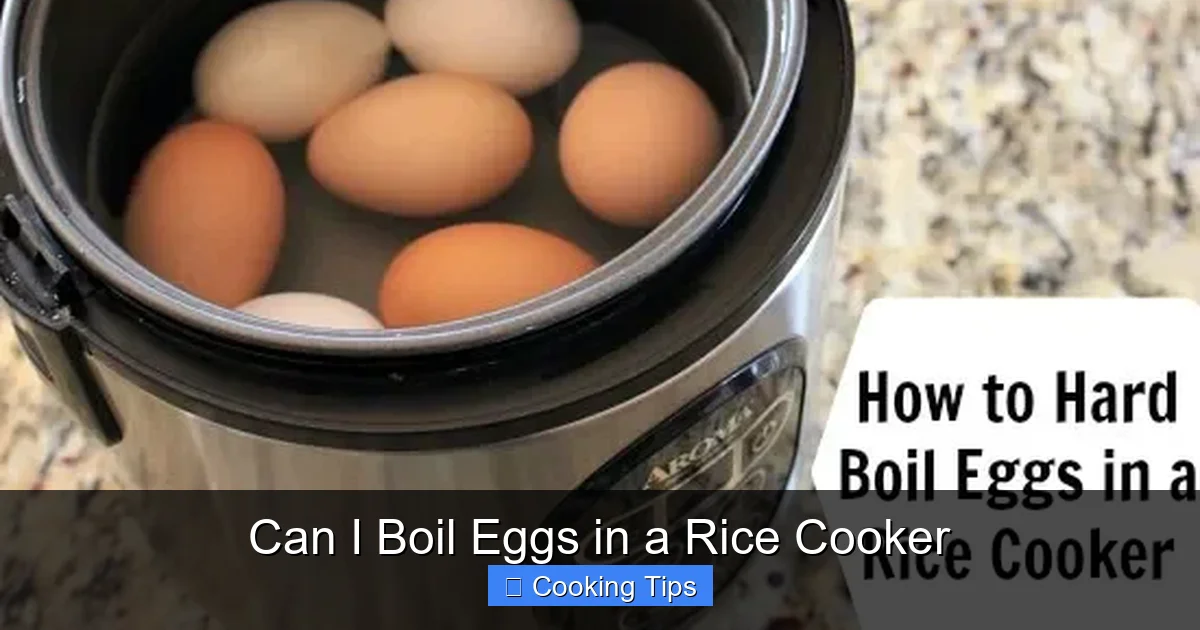
- For most standard rice cookers: Add about 1 to 1.5 inches (2.5 to 3.8 cm) of water to the bottom of the inner pot. This will create enough steam to cook the eggs without drowning them.
- If using a steamer basket: Ensure the water level is below the bottom of the steamer basket.
4. Place the Eggs
Now it’s time to carefully add your eggs. Take your time to prevent cracking.
- Carefully place the eggs directly into the water in the inner pot. Arrange them in a single layer if possible, ensuring they aren’t stacked too high.
- If using a steamer basket: Gently place the eggs into the steamer basket, which is then placed inside the rice cooker pot above the water.
- Room temperature eggs are best: While not strictly necessary, using eggs that are at room temperature can help prevent cracking. If your eggs are straight from the fridge, you can place them in a bowl of warm water for a few minutes before adding them to the rice cooker.
5. Select the Right Setting and Cook Time
This is where the magic happens. The setting you choose and the cooking time will determine how your eggs turn out.
- Standard Rice Cooker Settings:
- “Cook” or “White Rice” setting: Most basic rice cookers will have a simple “Cook” or “White Rice” button. Once you press this, the cooker will heat the water and then automatically switch to “Keep Warm” once the water has evaporated or reached a certain temperature. For boiling eggs, this setting is often ideal.
- “Steam” setting: Some advanced rice cookers have a dedicated “Steam” function. This can be very effective for boiling eggs, especially if you’re using a steamer basket.
- Cooking Times for Desired Doneness:
- Soft-Boiled Eggs: For a runny yolk and firm white, aim for approximately 8-12 minutes of cooking time once the rice cooker has reached its heating cycle. This might require some experimentation with your specific cooker.
- Medium-Boiled Eggs: For a slightly jammy, cooked yolk and firm white, aim for about 12-16 minutes.
- Hard-Boiled Eggs: For a fully cooked, firm yolk and white, aim for 16-20 minutes.
- Important Note on Timing: Because rice cookers operate automatically, you’ll need to monitor the time yourself. Start your timer as soon as you press the “Cook” button. Once your desired time is up, you’ll need to manually switch the rice cooker to “Keep Warm” or unplug it to stop the cooking process.
6. Cool the Eggs
Once the cooking time is complete, it’s essential to cool the eggs to stop the cooking process and make them easier to peel.
- Prepare an ice bath: Fill a bowl with cold water and plenty of ice cubes.
- Carefully remove eggs: Using a spoon or the steamer basket, carefully remove the hot eggs from the rice cooker and immediately plunge them into the ice bath.
- Let them chill: Allow the eggs to cool in the ice bath for at least 5-10 minutes. This rapid cooling helps to stop the cooking and makes peeling much easier by causing the egg white to contract slightly away from the shell.
7. Peel and Enjoy!
Your perfectly boiled eggs are now ready to be enjoyed!
- Peeling: Gently tap the cooled egg on a hard surface and roll it between your hands to crack the shell all over. Start peeling from the wider end of the egg, where the air pocket is typically located. The shell should slip off relatively easily, especially after the ice bath.
- Serve: Enjoy your boiled eggs as a snack, in salads, on toast, or in any dish you desire.
Practical Tips for Success
To ensure your rice cooker egg-boiling experience is a success, keep these tips in mind:
Visual guide about Can I Boil Eggs in a Rice Cooker
Image source: i0.wp.com
- Don’t overcrowd the cooker: While rice cookers can often hold a decent number of eggs, avoid stacking them too high, as this can lead to uneven cooking.
- Experiment with your cooker: Every rice cooker is slightly different. You might need to do a test run or two to find the perfect cooking time for your preferred level of doneness. Note down your results for future reference!
- Water quality matters: Using filtered water can sometimes result in eggs that are easier to peel, especially if you have hard tap water.
- Add a pinch of salt or vinegar: Some people swear by adding a pinch of salt or a teaspoon of vinegar to the water. This is thought to help prevent the whites from leaking if an egg cracks during cooking.
- Cleanliness is key: Always start with a clean rice cooker pot. This prevents any off-flavors from transferring to your eggs.
- Safety first with steam: Be cautious when opening the lid of the rice cooker, as hot steam will be released.
Troubleshooting Common Issues
Even with the best intentions, you might encounter a few minor hiccups. Here’s how to address them:
Visual guide about Can I Boil Eggs in a Rice Cooker
Image source: theloveofspice.com
- Eggs are undercooked: If your yolks are still too runny, your cooking time was likely too short. Increase the cooking time by a few minutes on your next attempt.
- Eggs are overcooked: If your yolks are chalky or have a green ring around them, you’ve likely overcooked them. Reduce the cooking time slightly.
- Eggs are difficult to peel: This is a common issue with boiled eggs in general. Ensure you’re using the ice bath method diligently. Fresher eggs can also be harder to peel. If you consistently have trouble, try using eggs that are a week or two old.
- Rice cooker won’t turn on or stay on: Ensure the inner pot is correctly seated in the base and that the power cord is securely plugged in. If the issue persists, consult your rice cooker’s manual or contact the manufacturer.
The Benefits of Boiling Eggs in a Rice Cooker
Why choose the rice cooker over the stovetop? Here are the advantages:
- Frees up stovetop space: This is a major benefit, especially when you’re preparing a large meal or have multiple dishes cooking simultaneously.
- Consistent results: Rice cookers provide a steady, controlled heat source, leading to more consistently cooked eggs compared to the sometimes variable heat of a stovetop burner.
- Less supervision required: Once set, many rice cookers will automatically switch to a “Keep Warm” mode, meaning you don’t have to constantly monitor them to prevent boiling over.
- Energy efficient: For smaller batches, a rice cooker can sometimes be more energy-efficient than heating up a large stovetop burner.
- Convenience: It’s an easy, hands-off way to prepare a healthy protein source for breakfasts, lunches, or snacks.
Conclusion
So, to answer the burning question: “Can I boil eggs in a rice cooker?” The answer is a definite and enthusiastic yes! By following this simple, step-by-step guide, you can effortlessly produce perfectly boiled eggs using a familiar kitchen appliance. Whether you’re a seasoned chef or a novice cook in 2026, this method offers unparalleled convenience and consistent results. Say goodbye to stovetop Tetris and hello to perfectly cooked eggs, made easy!
