

If your rice cooker’s “Keep Warm” function is failing, don’t despair! This guide offers a comprehensive troubleshooting process to help you pinpoint the issue, from simple power checks to more complex internal component problems. Learn how to get your rice cooker back to keeping your rice perfectly warm and ready to eat.
Rice Cooker Keep Warm Mode Not Working
You’ve just finished cooking a delicious batch of rice, and you’re looking forward to serving it warm and fluffy later. But when you check your rice cooker, the “Keep Warm” light is off, or the rice is already getting cold. A malfunctioning “Keep Warm” mode can be incredibly frustrating. Fortunately, most of the time, the reasons for this issue are fixable. This comprehensive guide will walk you through diagnosing and resolving the problem so you can enjoy perfectly warm rice whenever you need it.
Key Takeaways
- Understanding the Keep Warm Function: The “Keep Warm” mode is designed to maintain a safe, food-grade temperature after cooking, preventing the rice from drying out or becoming mushy.
- Basic Power and Connection Checks: The most common culprits for a non-functional “Keep Warm” mode are simple power issues, such as an unplugged cord or a tripped circuit breaker.
- Lid Seal Integrity is Crucial: A damaged or improperly sealed lid can allow heat to escape, preventing the “Keep Warm” mode from effectively doing its job.
- Sensor and Thermostat Malfunctions: Internal sensors and thermostats are responsible for regulating the temperature in “Keep Warm” mode; a fault here requires professional attention.
- Overfilling and Water Levels: Incorrect rice-to-water ratios or overfilling the cooker can impact how efficiently the “Keep Warm” mode operates.
- Age and Wear and Tear: Like any appliance, rice cookers can wear out over time, and the heating element or other components related to “Keep Warm” might fail.
Understanding the Rice Cooker’s “Keep Warm” Function
Before we dive into troubleshooting, let’s understand how the “Keep Warm” mode works. After the cooking cycle is complete, most modern rice cookers automatically switch to a “Keep Warm” setting. This isn’t just about maintaining a pleasant temperature; it’s also about food safety. The “Keep Warm” mode keeps the rice at a temperature above the “danger zone” (between 40°F and 140°F or 4°C and 60°C), where bacteria can multiply rapidly. It does this by providing a low, steady heat, typically around 158°F to 172°F (70°C to 77°C). This prevents the rice from drying out, becoming hard, or developing a gummy texture. If this essential function isn’t working, your rice can quickly become unappetizing and potentially unsafe.
Step-by-Step Troubleshooting Guide
Let’s start with the simplest solutions and work our way up to more complex issues.
Step 1: Check the Power Supply
This might seem obvious, but it’s the most common reason for any appliance not working.
Is the Rice Cooker Plugged In?
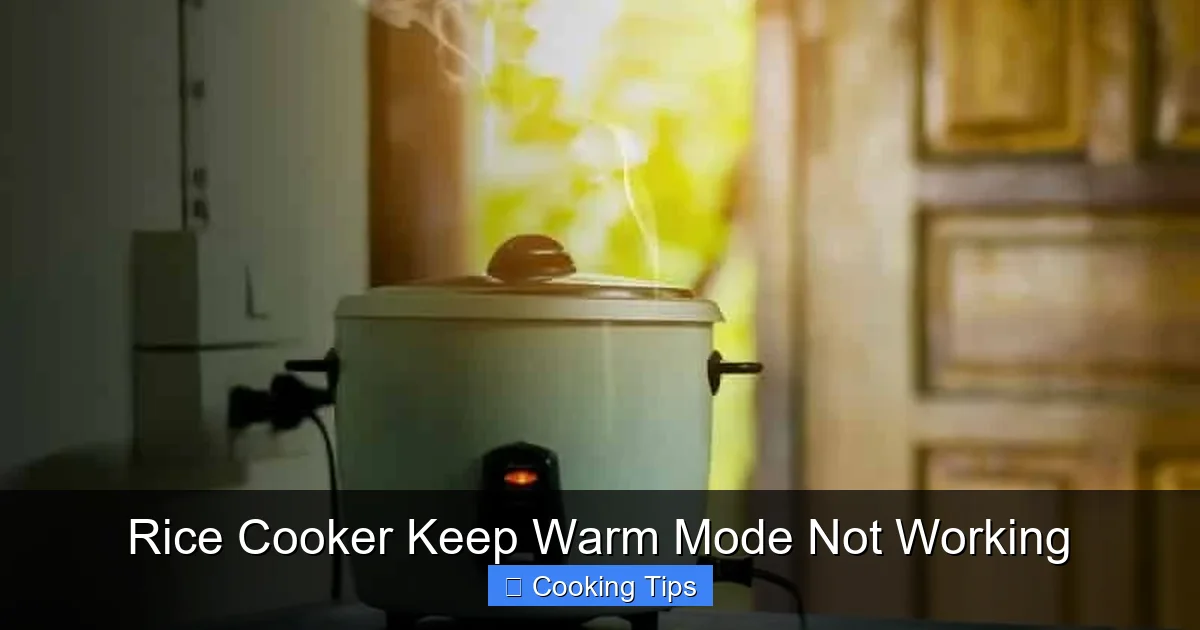
Ensure the power cord is firmly plugged into both the rice cooker and a functioning wall outlet. Sometimes, vibrations can loosen the connection.
Visual guide about Rice Cooker Keep Warm Mode Not Working
Image source: missvickie.com
Visual guide about Rice Cooker Keep Warm Mode Not Working
Image source: missvickie.com
Check the Outlet
Test the outlet with another small appliance, like a lamp or a phone charger, to confirm it’s providing power. If the outlet isn’t working, try a different one.
Inspect the Power Cord
Examine the power cord for any visible damage, such as cuts, fraying, or melted sections. A damaged cord is a safety hazard and can prevent the cooker from operating correctly. If you find damage, do not use the rice cooker and consider replacing the cord or the unit.
Circuit Breaker or Fuse
Check your home’s electrical panel to see if the circuit breaker for that outlet has tripped or if a fuse has blown. If it has, reset the breaker or replace the fuse. If the breaker trips again immediately, there might be an issue with the rice cooker itself, and you should consult a professional or the manufacturer.
Step 2: Verify the Rice Cooker’s Settings
Modern rice cookers have various settings, and it’s easy to get them mixed up.
Ensure the “Cook” Cycle is Complete
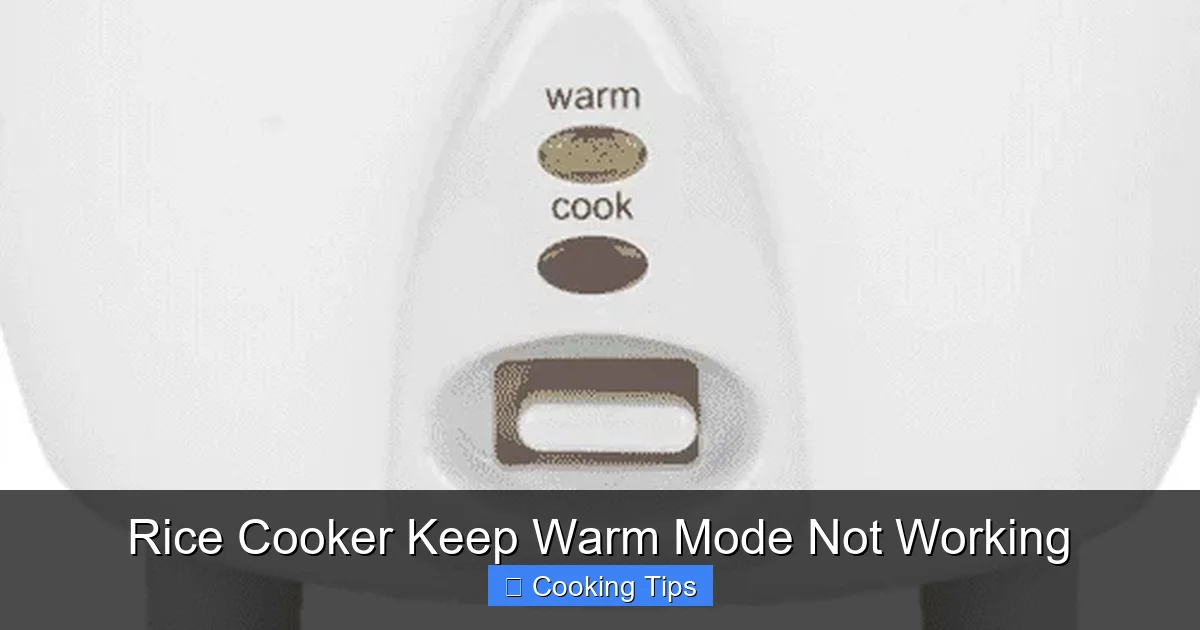
The “Keep Warm” mode typically activates *after* the “Cook” cycle has finished. If you’ve only run the cooker for a short period or if it hasn’t completed its cooking cycle, it might not have automatically transitioned to “Keep Warm.”
Visual guide about Rice Cooker Keep Warm Mode Not Working
Image source: down-my.img.susercontent.com
Check for Manual “Keep Warm” Activation
Some older or simpler rice cookers might require you to manually press the “Keep Warm” button after the cooking is done. Consult your rice cooker’s manual if you’re unsure about its specific operation.
Incorrect Setting Selection
Ensure you haven’t accidentally selected a different function or mode that might mimic a “warm” state but isn’t the true “Keep Warm” function. For example, some cookers have a “Steam” or “Porridge” setting that might stay on for a while but isn’t designed for long-term warming.
Step 3: Examine the Lid
The lid plays a critical role in retaining heat.
Is the Lid Properly Closed?
Ensure the lid is fully latched and sealed. A slight gap can allow a significant amount of heat to escape, rendering the “Keep Warm” function ineffective.
Check the Gasket or Seal
Most rice cooker lids have a rubber or silicone gasket that creates an airtight seal. Inspect this gasket for any signs of damage, such as cracks, tears, or stiffness. A worn-out gasket will not seal properly, leading to heat loss. If the gasket is removable, try cleaning it and re-seating it. If it’s damaged, you might need to order a replacement part from the manufacturer.
Steam Vent Obstruction
Rice cookers often have a small steam vent. Ensure this vent is not blocked by rice grains or debris. While it needs to vent some steam, a complete blockage can affect pressure and cooking, and a very loose vent could contribute to heat loss.
Step 4: Assess Rice and Water Levels
The amount of rice and water can impact the cooker’s ability to maintain temperature.
Correct Rice-to-Water Ratio
Using the wrong rice-to-water ratio can lead to rice that is too dry or too wet, both of which can affect how well the “Keep Warm” function performs. Follow the recommendations in your rice cooker’s manual or the rice package for the specific type of rice you are cooking.
Don’t Overfill
Overfilling the inner pot can prevent the lid from sealing properly and can also lead to the heating element being overwhelmed. Most rice cookers have a “max fill” line; never exceed it.
Step 5: Clean the Rice Cooker Thoroughly
Buildup can interfere with the cooker’s operation.
Clean the Inner Pot
While the inner pot is primarily for cooking, any burnt-on residue or starch can potentially interfere with heat distribution. Ensure it’s clean after each use.
Clean the Heating Element and Surroundings
This is a more advanced step and depends on your model. Some rice cookers allow access to the heating element area for cleaning. Remove any visible debris, stray rice grains, or spilled liquid from around the heating element. Be sure the cooker is unplugged and completely cool before attempting this. Consult your manual for specific cleaning instructions.
Step 6: Consider Internal Component Issues
If none of the above steps have resolved the problem, the issue might lie with the internal components of the rice cooker.
Thermostat or Temperature Sensor Failure
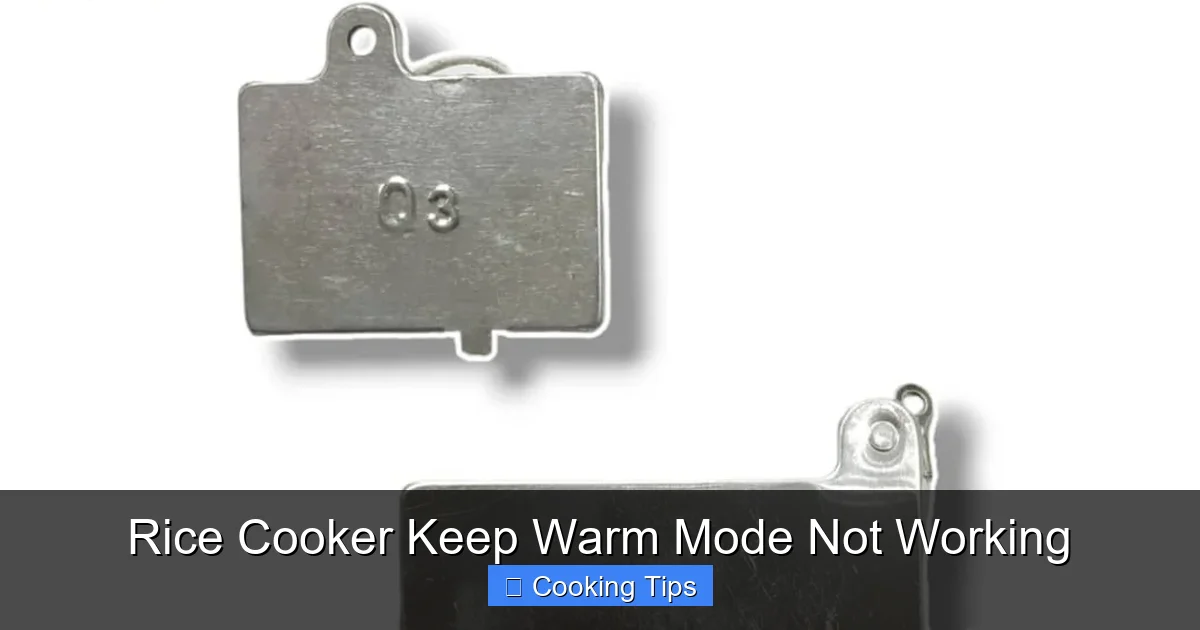
The “Keep Warm” function relies on a thermostat or temperature sensor to monitor and regulate the rice’s temperature. If this sensor malfunctions, it might not tell the cooker to engage “Keep Warm” or might incorrectly signal that the rice is already warm enough.
Faulty Heating Element
While less common for just the “Keep Warm” mode, it’s possible that the primary heating element has partially failed, or there’s a separate heating element specifically for the “Keep Warm” function that has gone bad. This is more likely in older or heavily used rice cookers.
Control Panel or Circuit Board Issues
The electronic control panel or internal circuit board could be faulty. This might manifest as other settings not working correctly as well, or erratic behavior. Water damage or electrical surges can sometimes cause these problems.
When to Seek Professional Help or Replace Your Rice Cooker
If you’ve gone through all the troubleshooting steps and your rice cooker’s “Keep Warm” mode still isn’t working, it’s likely an internal issue.
Consult Your User Manual
Re-read your user manual. It often contains specific troubleshooting advice for common problems. It will also have information on warranty coverage.
Contact the Manufacturer
If your rice cooker is still under warranty, contact the manufacturer’s customer support. They can guide you through further troubleshooting or arrange for a repair or replacement.
Consider Professional Repair
For out-of-warranty units, you might consider a small appliance repair shop. However, the cost of repair might sometimes exceed the cost of a new rice cooker, especially for less expensive models.
Time for a New Rice Cooker?
If your rice cooker is old, heavily used, or if the cost of repair is prohibitive, it might be time to invest in a new one. Modern rice cookers offer many advanced features, and you might find an upgrade that better suits your needs.
Conclusion
A rice cooker’s “Keep Warm” mode is a fantastic convenience that ensures your rice is always ready to enjoy. When it stops working, it can disrupt meal planning and enjoyment. By systematically working through these troubleshooting steps, from simple power checks to examining the lid and considering internal components, you can often identify and fix the problem. Remember to always prioritize safety, unplugging the appliance and consulting your manual before attempting any repairs. With a little patience and effort, you can get your rice cooker’s “Keep Warm” function back in working order and enjoy perfectly warm rice, dish after dish.
